important news
Alexandria University Council discusses energy-saving measures and launches new academic and strategic initiatives

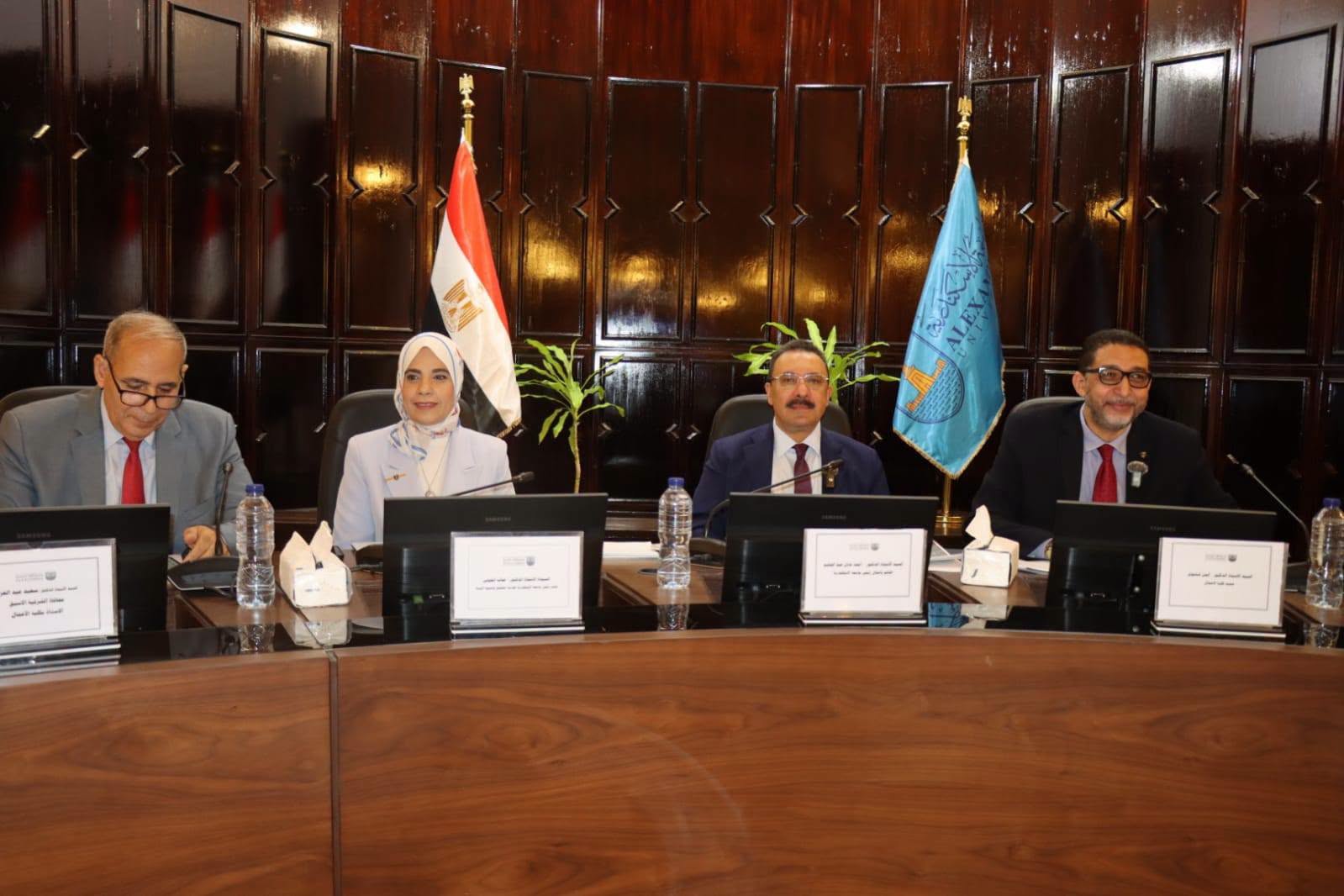
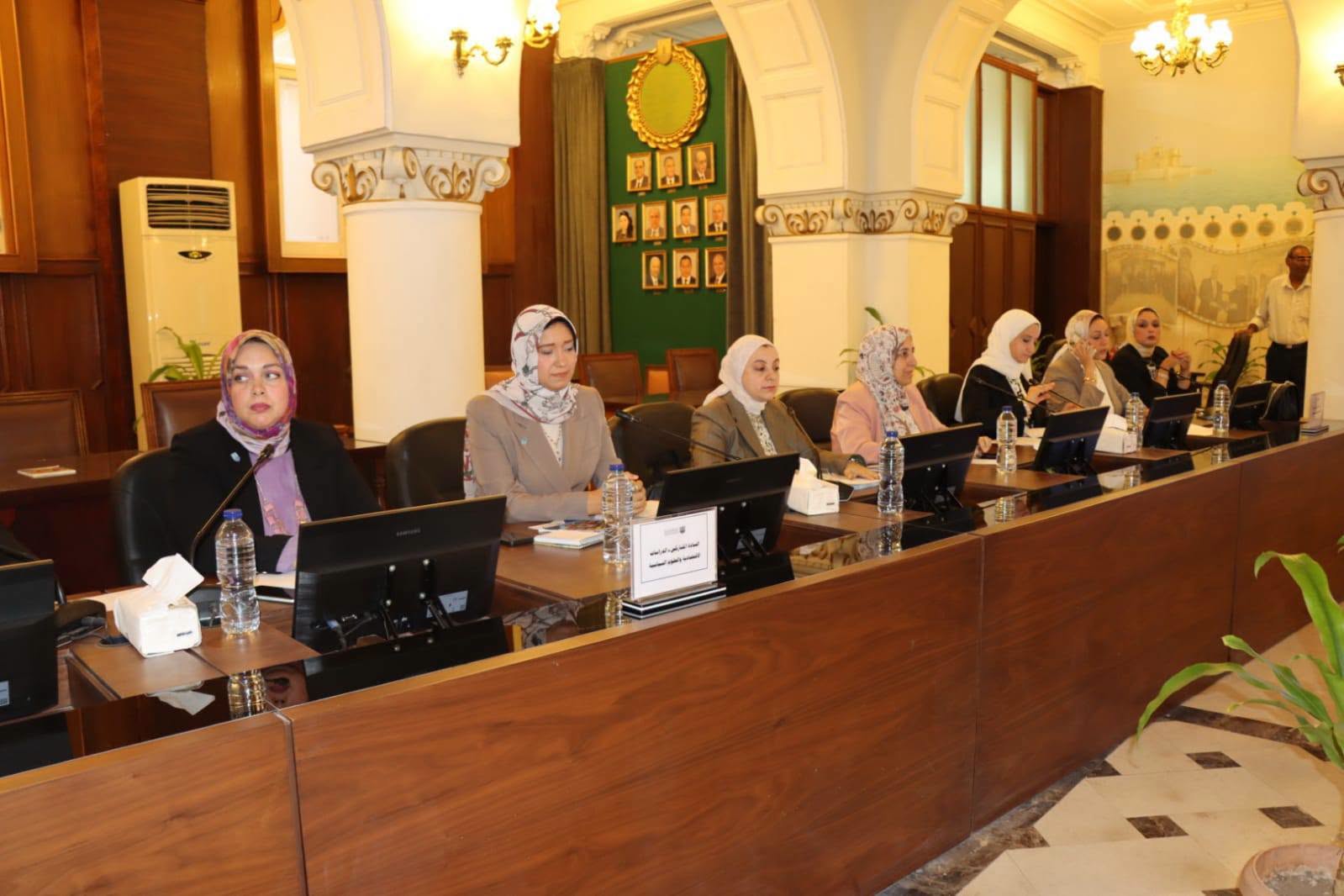
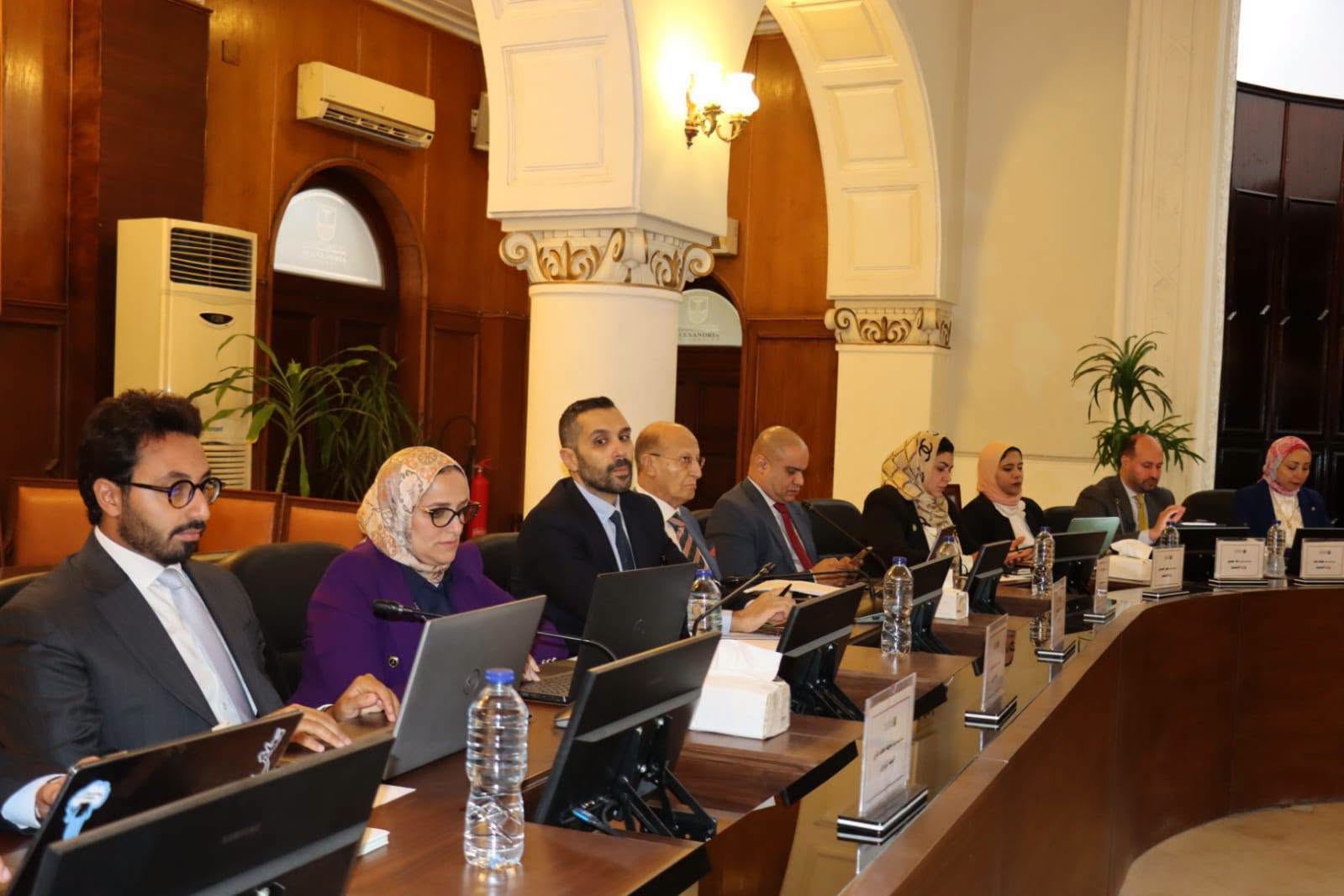
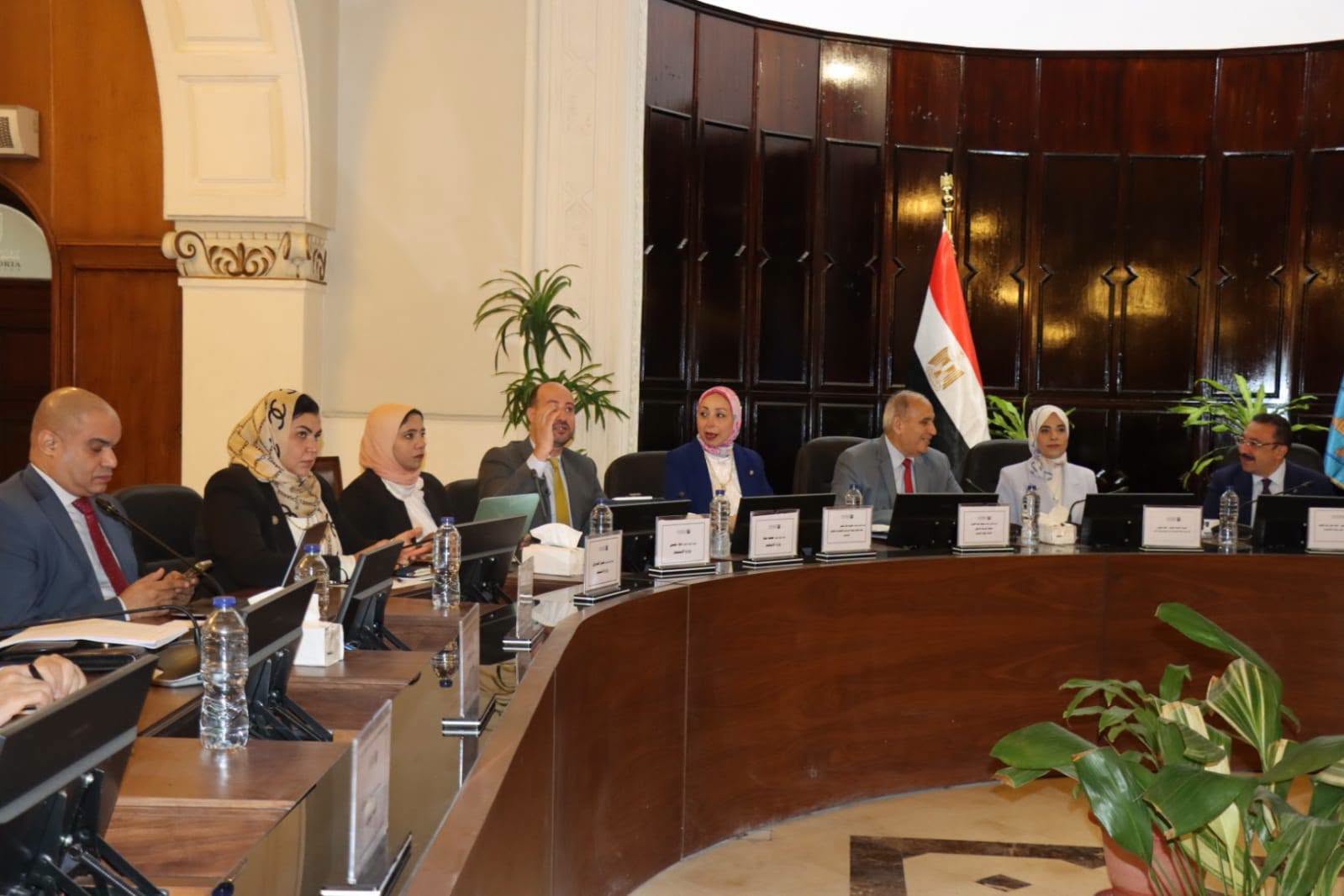
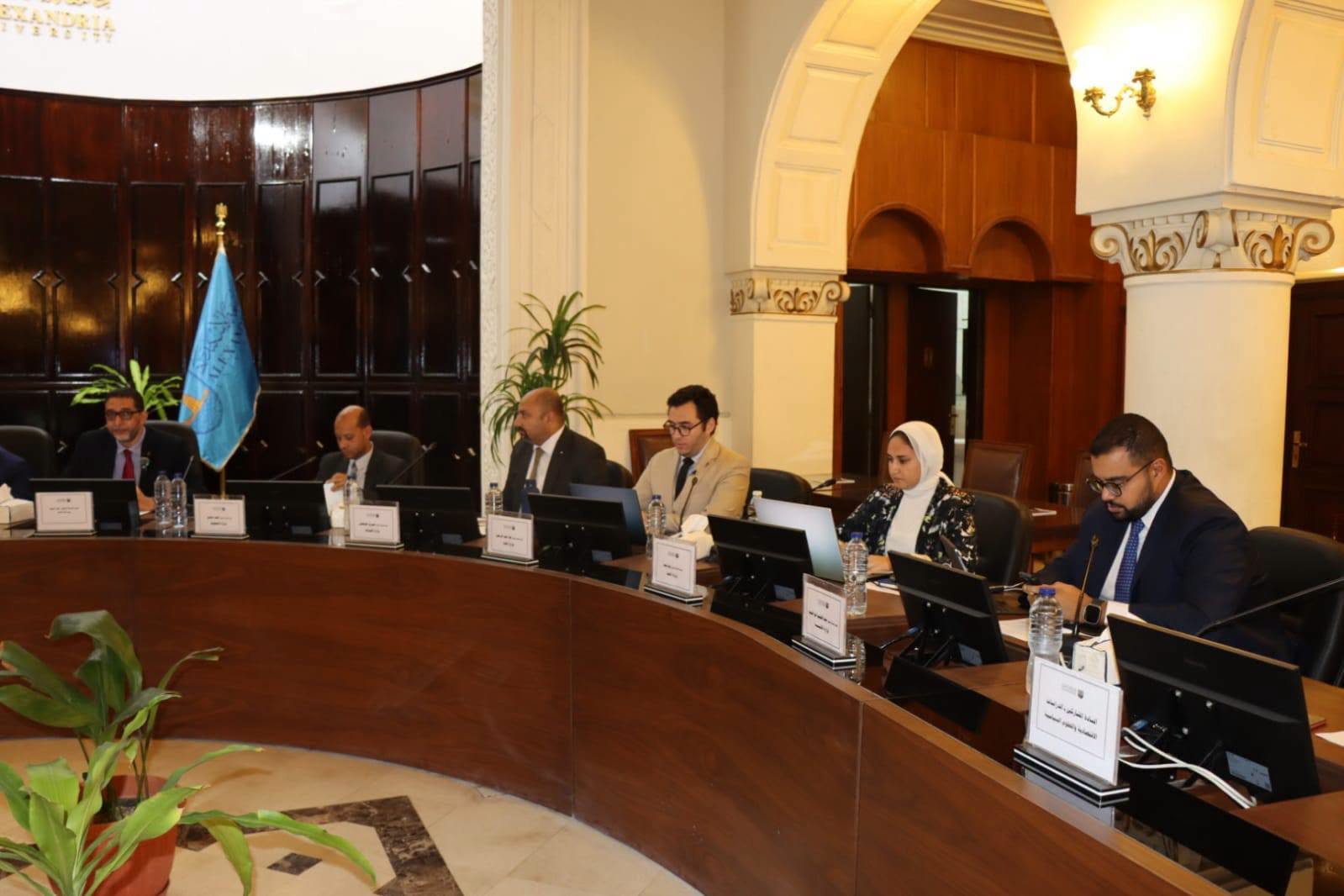
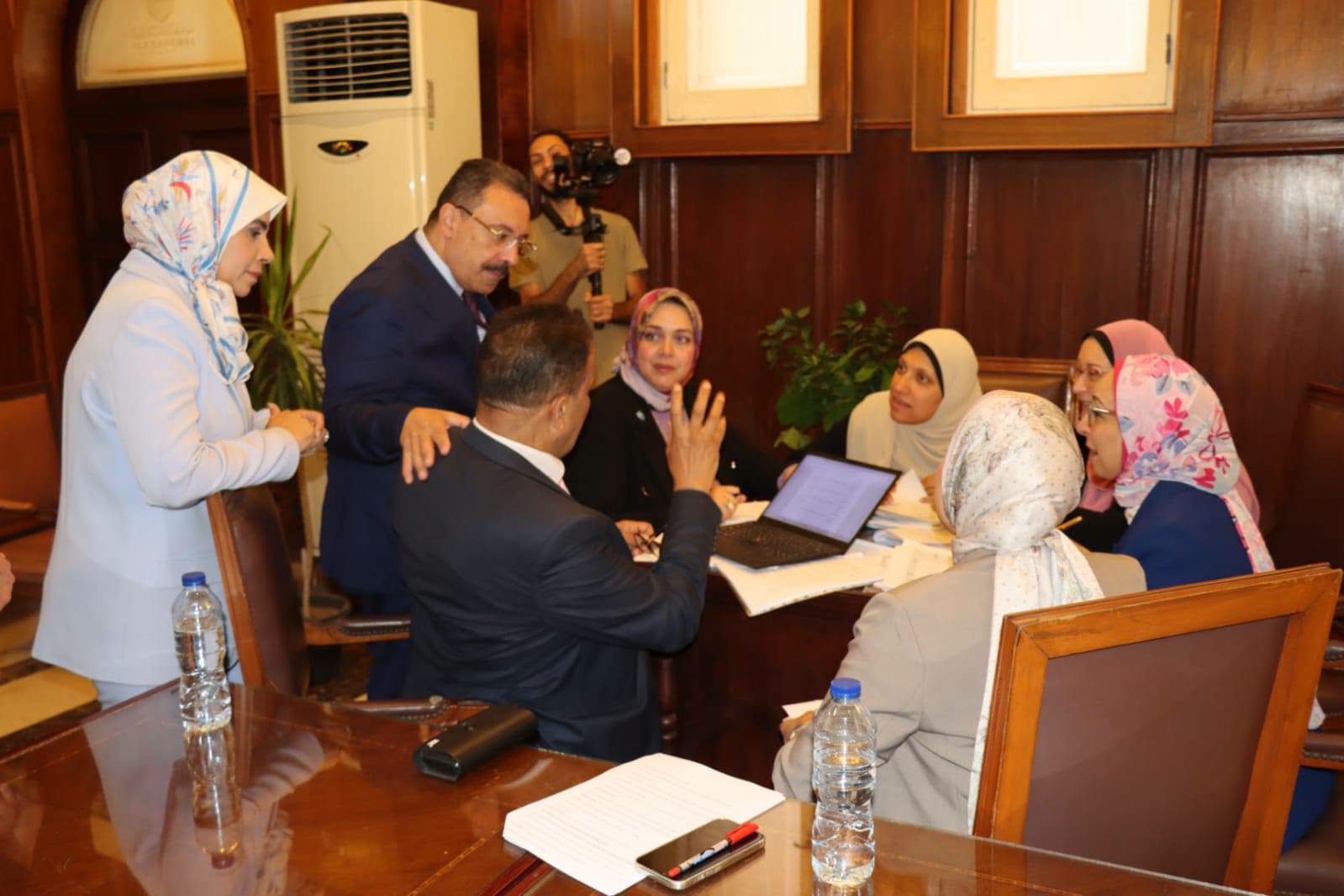
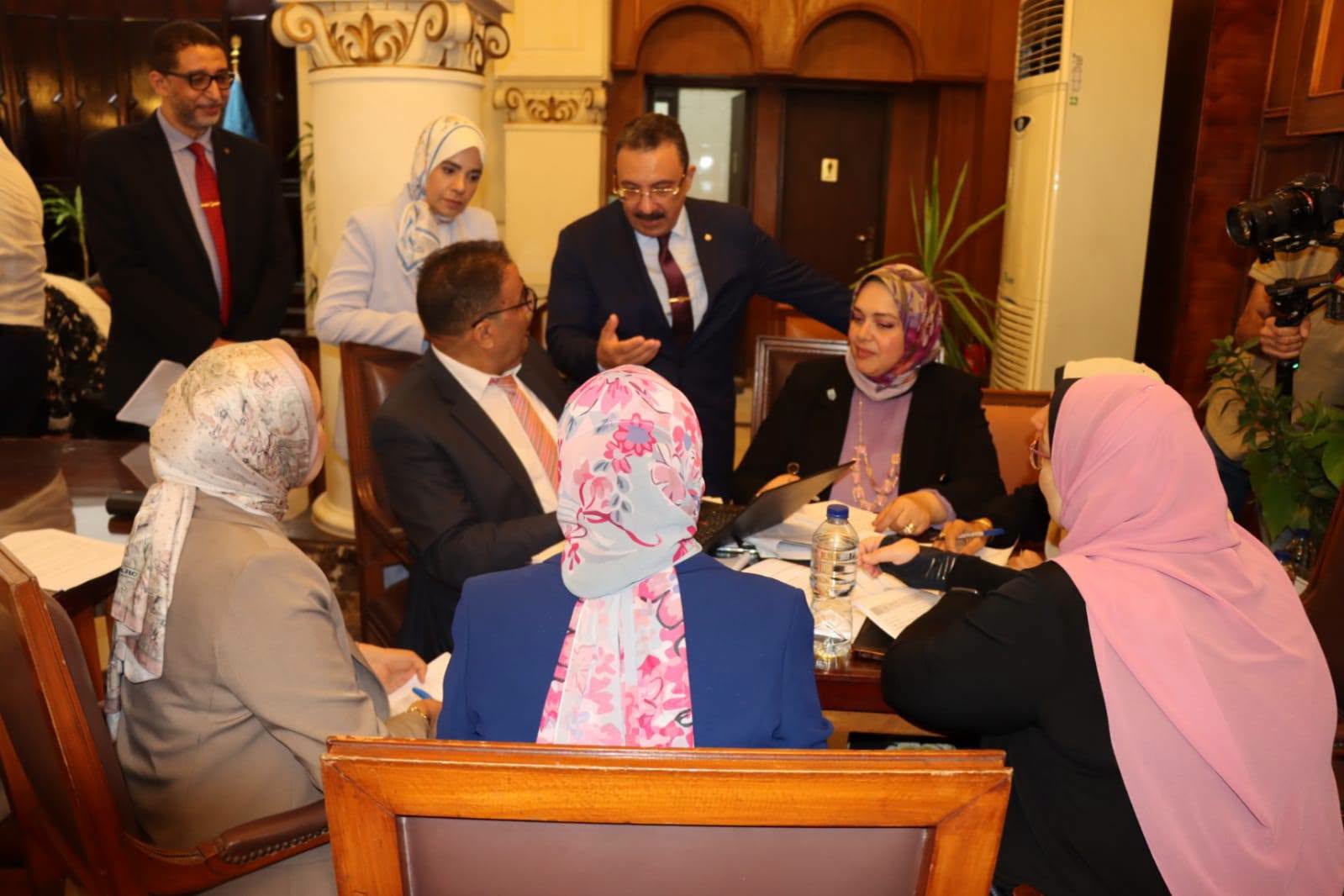
The Alexandria University Council held its regular meeting today, Tuesday, March 31, 2026, chaired by Prof. Ahmed Adel Abdel Hakim, Acting President of the University.
At the beginning of the meeting, he emphasized the need to take a set of measures in light of the current developments in the region, stressing that rationalizing fuel and electricity consumption represents a strategic priority during the current phase, amid global energy crisis challenges. He also highlighted the importance of activating the role of faculties and institutes in this regard through implementing a package of measures, including governance of fuel consumption in transportation across all faculties and university facilities, expanding the use of energy-efficient lighting systems, enhancing reliance on solar energy and increasing the number of solar units in the coming period, as well as adhering to clear regulations for lighting usage in lecture halls and classrooms, in order to achieve optimal energy efficiency without affecting the quality of the educational process.
In the same context, the University President reiterated the university’s strong commitment to monitoring the situation of international students stranded in Gulf countries, particularly those who traveled to visit their families during the holy month of Ramadan or the Eid al-Fitr holiday and were unable to return due to the current circumstances. He stressed the necessity of taking urgent measures and studying temporary educational alternatives to ensure the continuity of the academic process until their return and the resumption of their studies as soon as possible.
The Council also approved the establishment of an Energy and Renewable Energy Unit, aimed at supporting the university’s transition toward a sustainable university model and enhancing resource efficiency through the adoption of the latest systems and technologies in energy conservation and the expansion of clean energy sources.
The Council further approved the establishment of a Sustainability Office at Alexandria University, which will be responsible for setting policies and implementation plans supporting sustainability, monitoring the application of sound environmental practices across various university sectors, improving resource efficiency, and promoting environmental awareness among students and staff. The office will also support research activities and student initiatives related to sustainability, build partnerships with local and international institutions, and coordinate with the university’s medical and treatment convoys, thereby strengthening its role in community service.
The Council honored faculties and institutes that achieved advanced rankings in the QS World University Rankings by Subject 2026, in recognition of their outstanding efforts in enhancing the educational and research process and strengthening the university’s competitiveness at both regional and international levels. The Council affirmed that this recognition aims to promote a culture of excellence and encourage further development and innovation across academic sectors, contributing to maintaining the university’s prestigious international standing and achieving continued success in the future.
The Council also approved the formation of a committee to study the establishment of two UNESCO Chairs at Alexandria University in the fields of education and innovation, Islamic heritage and cultural dialogue in the Mediterranean, and architectural and urban heritage, in line with the university’s orientation toward supporting open science concepts and enhancing access to knowledge, in accordance with UNESCO’s goals of promoting open science and facilitating access to educational and research resources.
The Council honored Dr. Rehab Mahmoud Sadiq, Dean of the Faculty of Early Childhood Education, on the occasion of the end of her tenure, in recognition of her dedicated efforts and continuous contributions to the development of the faculty and the advancement of its academic and administrative system during her years of service, wishing her continued success in her future academic career.
The Council also approved cooperation agreements between Alexandria University (Faculty of Education) and the University of Malta (Malta), between Alexandria University (Faculty of Engineering) and the University of Southampton (United Kingdom), a draft framework agreement between Alexandria University and the University of Versailles Saint-Quentin-en-Yvelines (France), and a proposed agreement between Alexandria University (Faculty of Medicine) and Loyola University Chicago (USA) for cooperation in clinical training for medical students at both universities.
The Council further approved the acceptance of a donation to the University Students’ Hospital from El-Gharably Construction Company, consisting of a fully equipped intensive care ambulance and a complete ultrasound device with accessories. It also approved in principle a donation to the Mineral Resources Laboratory in the Department of Geology, Faculty of Science, from the Pharaonic Gold Mines Company, to support sample preparation for scientific research and enhance the educational process.
Finally, the Council approved the promotion of 33 faculty members: 9 to the rank of Professor and 24 to Associate Professor, the appointment of 39 lecturers, the awarding of 74 PhD degrees, and 290 Master’s degrees across various scientific disciplines.

Board of Trustees of Alexandria National University Holds Regular Meeting, Reviews Achievements and Future Plans

The Board of Trustees of Alexandria National University held its meeting under the chairmanship of Prof. Mohamed Nasr El-Din Demir, Chairman of the Board of Trustees, in the presence of Eng. Ayman Attia, Governor of Alexandria, Prof. Ahmed Adel Abdel Hakim, Acting President of Alexandria University, and members of the Board. The meeting took place at the university’s campus in New Smouha, within the framework of following up on the university’s progress and reviewing its future plans.
At the beginning of the meeting, the Chairman welcomed the Governor of Alexandria, the Acting President of the university, and the Board members, emphasizing the importance of the meeting in monitoring the university’s workflow, as well as reviewing achievements and future plans.
During the meeting, Eng. Ayman Attia highlighted the vital and growing role of Alexandria National University in supporting and developing the higher education system. He noted that the university represents a significant qualitative addition to Alexandria University, contributing to strengthening its academic and research mission, as well as its role in community service and environmental development. He praised the efforts exerted in developing modern academic programs aligned with international standards, stressing the importance of continuously updating these programs to keep pace with rapid changes in the labor market locally and globally. He also emphasized the need to link educational outcomes with the needs of Alexandria Governorate through the university’s programs and specializations, in order to prepare qualified human cadres capable of meeting labor market demands and supporting comprehensive and sustainable development plans across various sectors.
Prof. Mohamed Nasr El-Din Demir reviewed the latest developments and strategic initiatives of the university, particularly regarding joint academic degrees in engineering and administrative programs at both undergraduate and postgraduate levels, in cooperation with foreign universities, in accordance with signed agreements. He affirmed the university’s commitment to providing a distinguished educational environment that meets students’ needs and keeps pace with the latest teaching methods and technologies, ensuring the preparation of highly qualified graduates capable of competing locally and internationally. He added that these initiatives aim to develop academic programs in line with labor market needs, enhance the university’s position as a globally aligned educational institution, and strengthen cooperation with executive bodies in Alexandria Governorate and the business sector to support the state’s vision for higher education development and sustainable growth.
In line with the university’s commitment to enhancing education quality, Prof. Ahmed Adel Abdel Hakim, Acting President of Alexandria University, outlined several strategic initiatives aimed at supporting students and graduates while enhancing the university’s international presence. He also reviewed student activities and emphasized the importance of increasing the number of academic coordinators to support students, guide their academic choices, and provide continuous academic advising. He further stressed the need to establish a specialized guidance and counseling unit that extends its role to alumni follow-up and career support, ensuring ongoing communication between the university and its graduates and strengthening their employment opportunities.
The Board reviewed statistical indicators related to students’ academic performance across various programs, emphasizing the importance of continuous follow-up by program directors, coordinators, and academic supervisors to ensure the required level of educational quality and improve students’ performance.
The Board also discussed the expected number of students to be admitted in the upcoming academic year across different programs, while affirming the continuation of scholarship offerings for outstanding students. These include top achievers in Thanaweya Amma, academically and athletically distinguished students, as well as social support scholarships for eligible students. This comes as part of the university’s commitment to promoting academic and athletic excellence and ensuring equal opportunities for all students to access high-quality education.
Additionally, the Board reviewed the distinguished medical services provided to students through the on-campus medical unit, which aims to deliver comprehensive healthcare and necessary medical support, reflecting the university’s commitment to maintaining a safe and healthy educational environment that supports students’ physical and psychological well-being.
Within the framework of Alexandria National University’s participation in international higher education exhibitions such as Edugate, the Board reviewed the university’s participation in the International Higher Education Exhibition in Riyadh, Saudi Arabia. This aligns with the university’s strategy to enhance internationalization and attract international students. The Board emphasized the importance of participating in such exhibitions as a platform for promoting academic programs and degrees, showcasing the university’s capabilities, and strengthening cooperation with international educational institutions. It also stressed the need to prepare comprehensive promotional materials about academic programs and dual degrees to support the university’s presence at international events, as well as leveraging Egypt’s cultural representation abroad to enhance promotion efforts and expand academic collaboration globally.


Alexandria University Achieves New Milestone in QS World University Rankings by Subject 2026

Dr. Ahmed Adel Abdel Hakim, Acting President of Alexandria University, confirmed that the university’s inclusion in the QS World University Rankings by Subject 2026—which covered over 1,900 higher education institutions worldwide, including 21 Egyptian universities—reflects continuous development in the quality of education and scientific research. It also underscores the success of the university’s strategy in promoting academic excellence and enhancing its international competitiveness.
He noted that this progress comes as part of the university’s commitment to developing its academic programs in line with international standards, supporting scientific research and innovation, and investing in human resources and infrastructure. These efforts contribute to improving educational outcomes and aligning them with labor market needs. Dr. Abdel Hakim added that the university’s diverse presence across fields such as Engineering and Technology, Medical and Life Sciences, Basic Sciences, and Agricultural Sciences reflects the strength and integration of its disciplines. He emphasized the ongoing efforts to achieve further progress in international rankings and to strengthen academic and research partnerships with leading global universities.
The ranking results highlighted Alexandria University’s inclusion across a wide range of academic subjects as follows:
1. Engineering and Technology:
The university ranked 285 globally in Engineering and Technology. Specific subject rankings include:
Petroleum Engineering: 51–100
Civil Engineering: 201–275
Chemical Engineering: 251–300
Electrical & Electronic Engineering: 301–350
Mechanical Engineering: 301–350
Aeronautical & Manufacturing Engineering: 301–350
2. Medical and Life Sciences:
The university achieved strong results, including:
Medicine: 251–300
Pharmacy: 101–150
Dentistry: 51–150
Veterinary Medicine: 51–100
Nursing: 151–225
Life Sciences overall: 269
Anatomy & Physiology: 101–200
3. Basic and Applied Sciences:
The university was recognized in several fields:
Chemistry: 251–300
Environmental Sciences: 301–350
Biological Sciences: 351–400
Materials Science: 401–550
Mathematics & Natural Sciences: 451–500
Physics & Astronomy: 551–600
4. Agricultural Sciences:
Agriculture & Forestry: 151–200
5. Other Multi-disciplinary Fields:
Computer Science & Information Technology: 451–500
Architecture & Built Environment: 201–260
Social Sciences & Management: 501–550
Graduate Studies Council Discusses Supervision Regulations and Proposes New Promotion Tracks for Faculty Members

The Graduate Studies and Research Council at Alexandria University began its session held on Tuesday, March 24, 2026, chaired by Dr. Hisham Saeed, Vice President for Graduate Studies and Research, by extending greetings to faculty members and staff on the occasion of Eid Al-Fitr, wishing them continued success and prosperity.
During the meeting, the Council discussed the regulations governing amendments to thesis supervision committees. Dr. Hisham Saeed said that a head of department is not permitted to unilaterally remove a supervisor from a supervision committee. Such decisions are subject to an integrated system of academic councils. He explained that any modification to the composition of a supervision committee must pass through the department council, then the graduate studies committee, and finally be approved by the faculty or institute council, emphasizing that academic decisions are made collectively rather than individually.
The Council also reviewed cases in which supervision committees may be modified, including: a supervisor’s withdrawal, transfer, secondment, or death, the existence of a clear academic or administrative conflict, or the need for additional specialization in the research. In all such cases, proposals must be presented to the department council, then the graduate studies committee, and ultimately approved by the faculty council.
In a related context, the Council discussed ways to develop the evaluation system for faculty promotions to the ranks of Associate Professor and Professor. The discussion emphasized moving beyond sole reliance on research publications in peer-reviewed journals—despite their importance—to ensure a more comprehensive assessment of academic performance. The Council noted that the development of the evaluation system is driven by several factors, including: promoting excellence in teaching and learning, improving instructional methods, supporting innovation and entrepreneurship, enhancing technology transfer to society and industry, strengthening universities’ role in community service and sustainable development, and aligning with modern international standards for academic evaluation.
The Council also reviewed several proposed evaluation tracks for faculty members, including: the traditional research excellence track, the teaching and learning excellence track, the innovation and technology transfer track, the community service and sustainable development track, and the academic leadership and capacity-building track.
Additionally, the Council examined a comparative overview of promotion systems in a number of leading international universities, as well as models applied in several Saudi universities, with the aim of benefiting from global best practices in this field.

In the Presence of the Minister of Higher Education… Alexandria University Hosts Eid Al-Fitr Reception at “Pharos” Faculty Club

In a festive and joyful atmosphere marked by warmth and harmony, Alexandria University organized today, Friday, March 20, 2026, an Eid Al-Fitr reception at the “Pharos” Faculty Club.
The event was attended by Dr. Abdel Aziz Konsowa, Minister of Higher Education and Scientific Research; Dr. Ahmed Abdel Hakim, Acting President of the University; Dr. Hisham Saeed, Vice President for Graduate Studies and Research; and Dr. Affaf El-Oufy, Vice President for Community Service and Environmental Development. The celebration was also attended by former university presidents and vice presidents, deans and vice deans of faculties and institutes, assistants to the university president, as well as a distinguished group of academic and administrative leaders.
The celebration reflected a strong sense of unity and institutional belonging, as attendees exchanged Eid greetings in an atmosphere of cordiality and mutual appreciation.
In his opening remarks, Dr. Ahmed Abdel Hakim extended his sincere congratulations to His Excellency President Abdel Fattah El-Sisi, President of the Republic, the Egyptian people, and the entire university community, including faculty members, teaching assistants, staff, and students. He prayed that this blessed occasion would return to Egypt and the Islamic nation, prosperity, and blessings.
He also welcomed the Minister of Higher Education and Scientific Research, expressing his appreciation for his presence and participation in the celebration, which reflects his continuous support for higher education institutions and his commitment to strengthening communication with the academic community.
He added that organizing this event comes within the framework of the university’s keenness to promote human connection and reinforce values of affection and solidarity among its members, emphasizing that such events contribute to strengthening institutional belonging and renewing work motivation, which positively impacts the university’s academic, research, and service performance.


English