
 English
 Faculty News
Faculty of Education Hosts Cultural Building Program for Imams and Lady Preachers of Alexandria Endowment Directorate

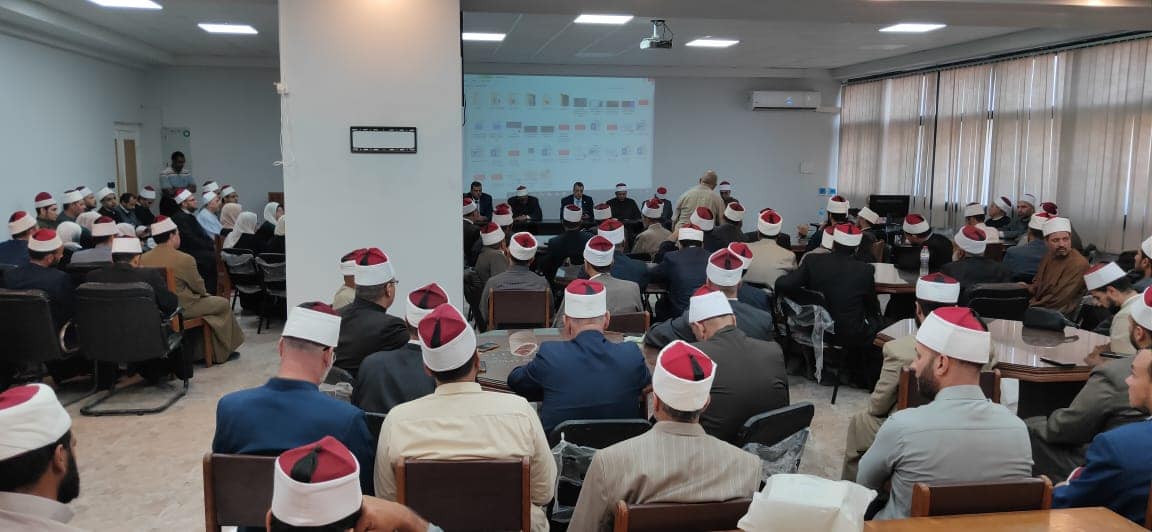
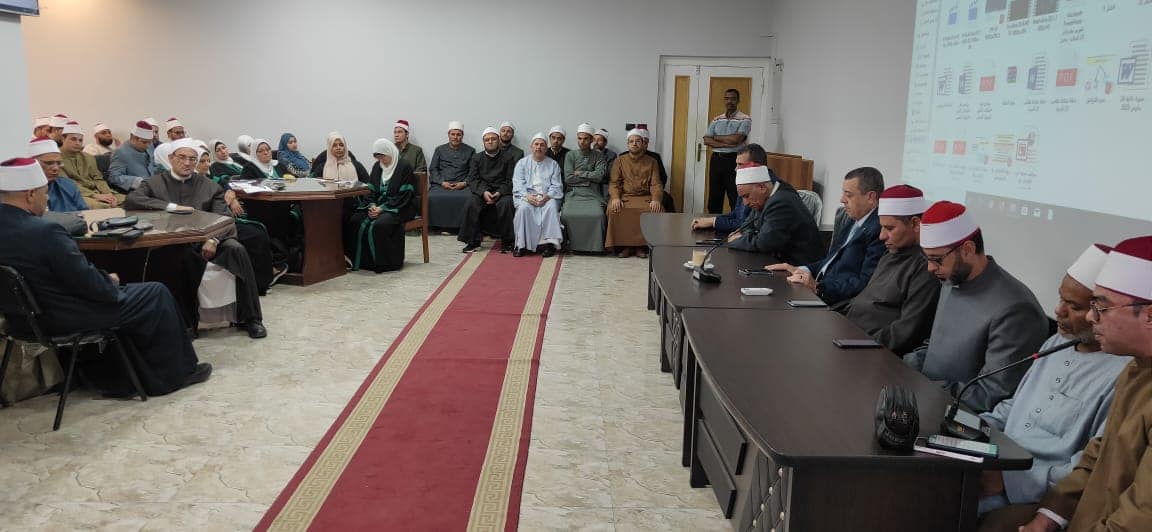
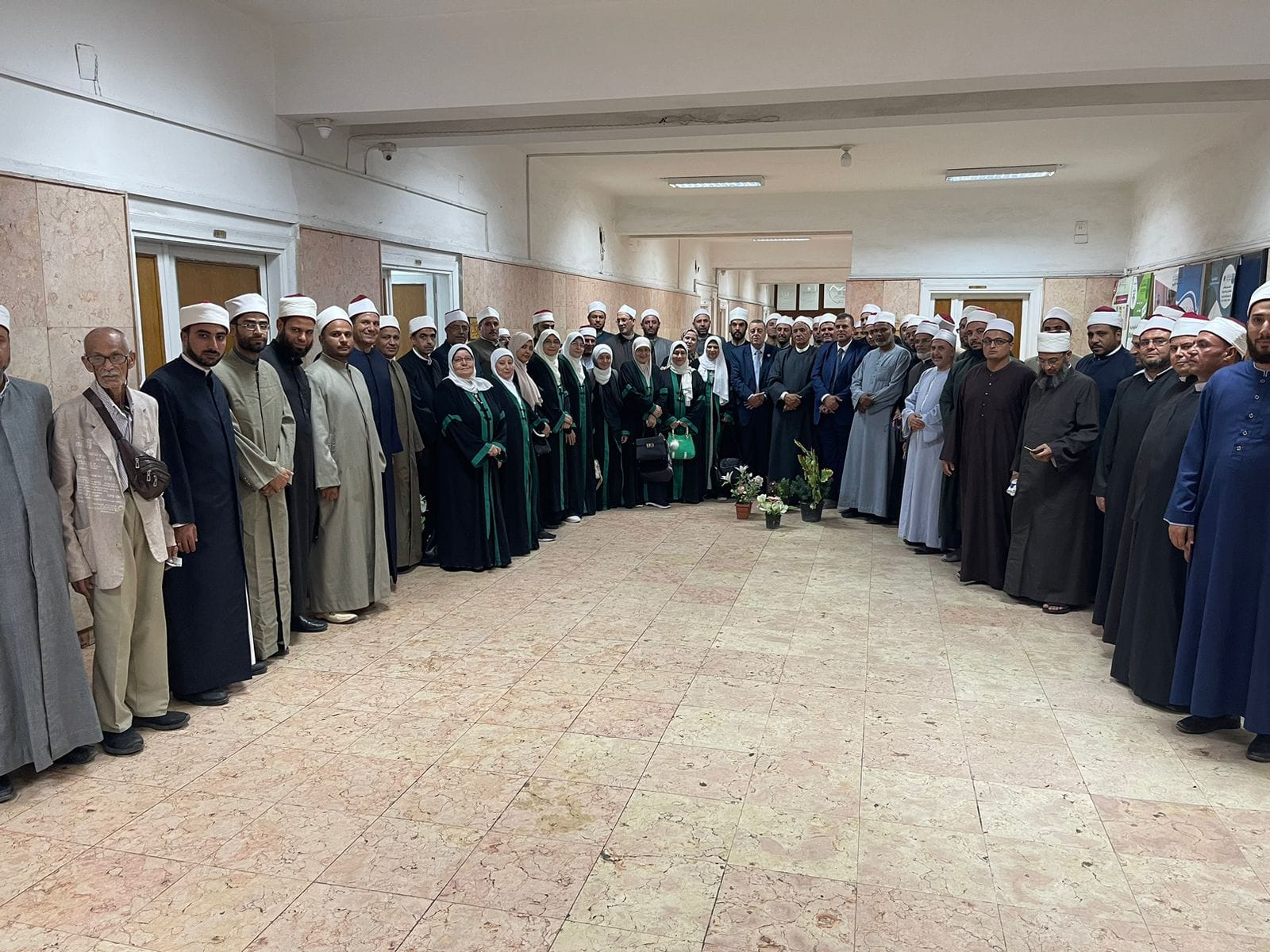
Within the framework of the cooperation between Alexandria University and the Ministry of Endowments "Awqaf", and in the framework of the desire of both sides to spread the enlightened moderate thought, the cultural building program for imams and lady preachers of the Directorate of Awqaf in Alexandria has been launched for the first time, where the Faculty of Education will host a group of educational, awareness and enlightening lectures for 200 imams and 20 lady preachers.
The program commenced with a lecture entitled "The Psychological Traits of Imams and Lady Preachers", presented by Dr. Mohamed Anwar Farrag, Dean of the Faculty of Education, in the presence of Sheikh Salama Abdelrazaq, the Undersecretary of the Ministry of Awqaf in Alexandria, Sheikh Hashem Saad El-Feqi, the Director of Preachers, and Sheikh Wessam Kasseb, the Director of Follow-up.
During the lecture, Dr. Farrag praised the role of the Egyptian Ministry of Endowments in building religious awareness, and its efforts to develop and educate its members among imams and lady preachers, and to integrate them into society and family, confirming that training is the language of the age, and that imams and lady preachers have a duty to advise, guide, and educate.
Faculty of Economics and Political Science, Alexandria University celebrates the anniversary of the glorious October victories
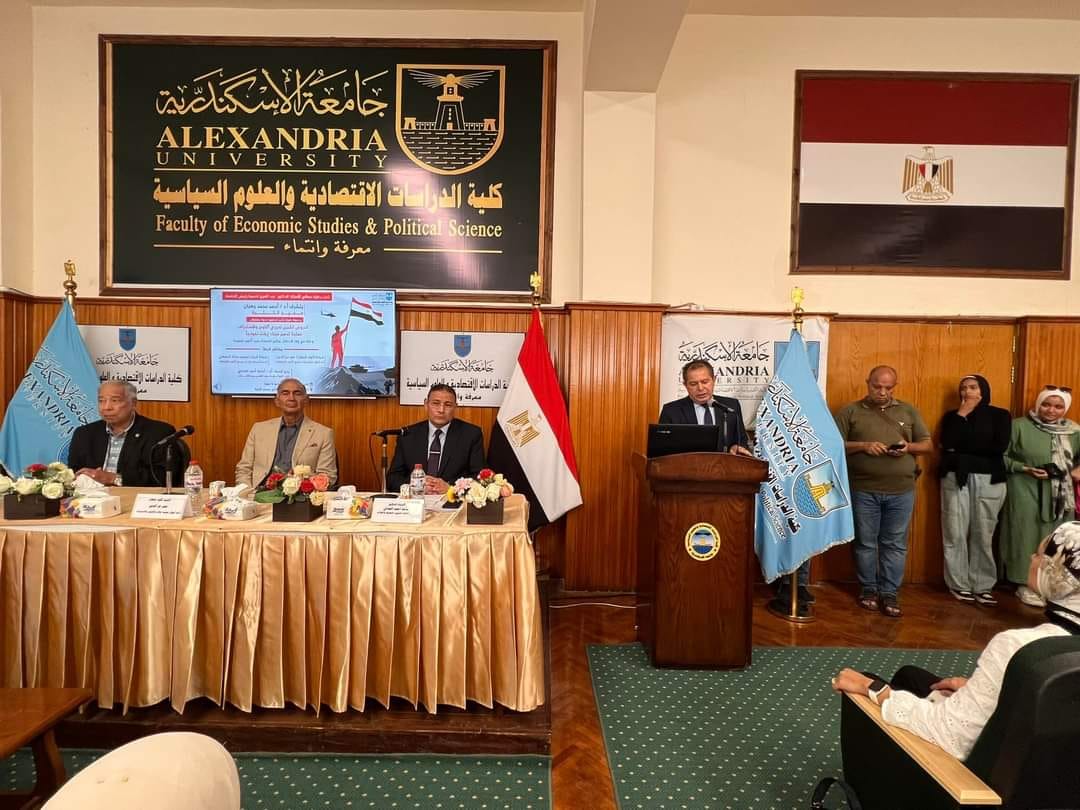
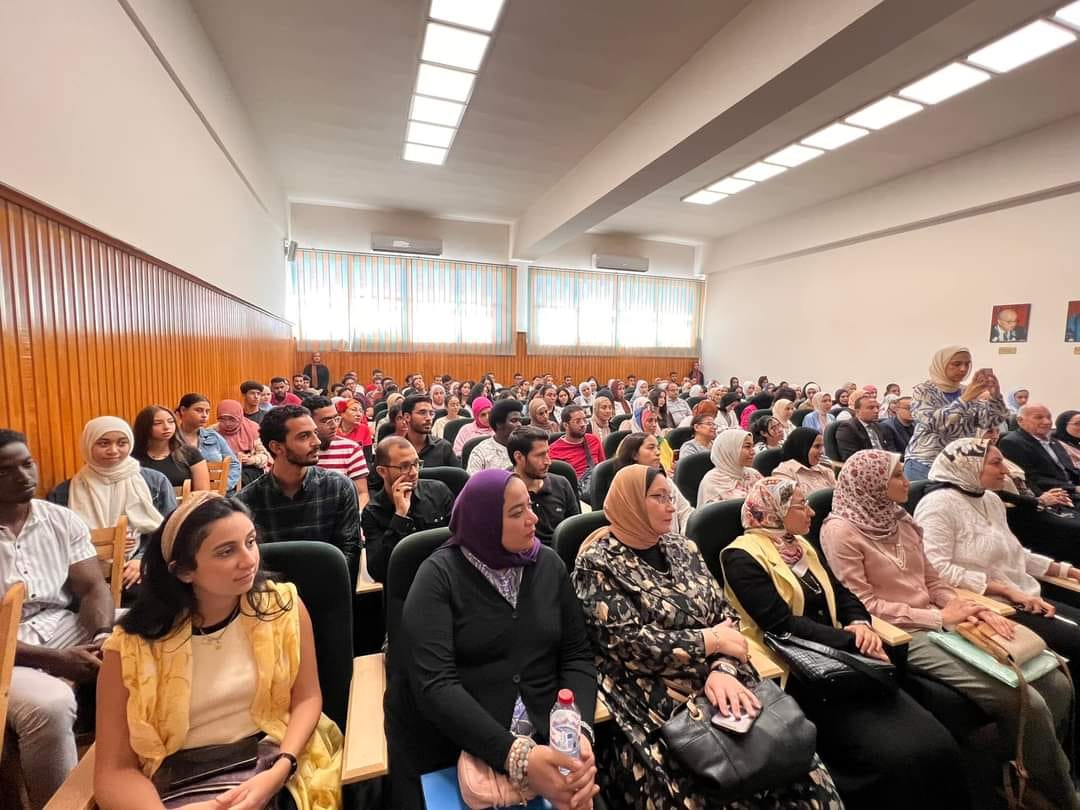
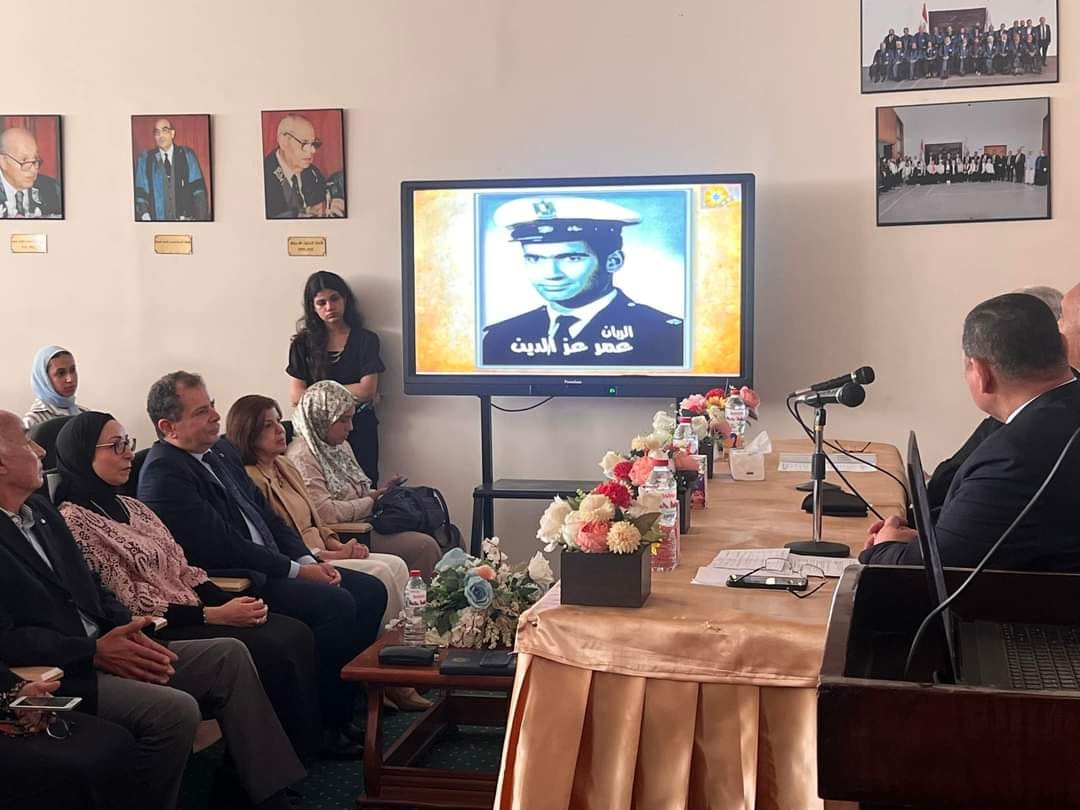
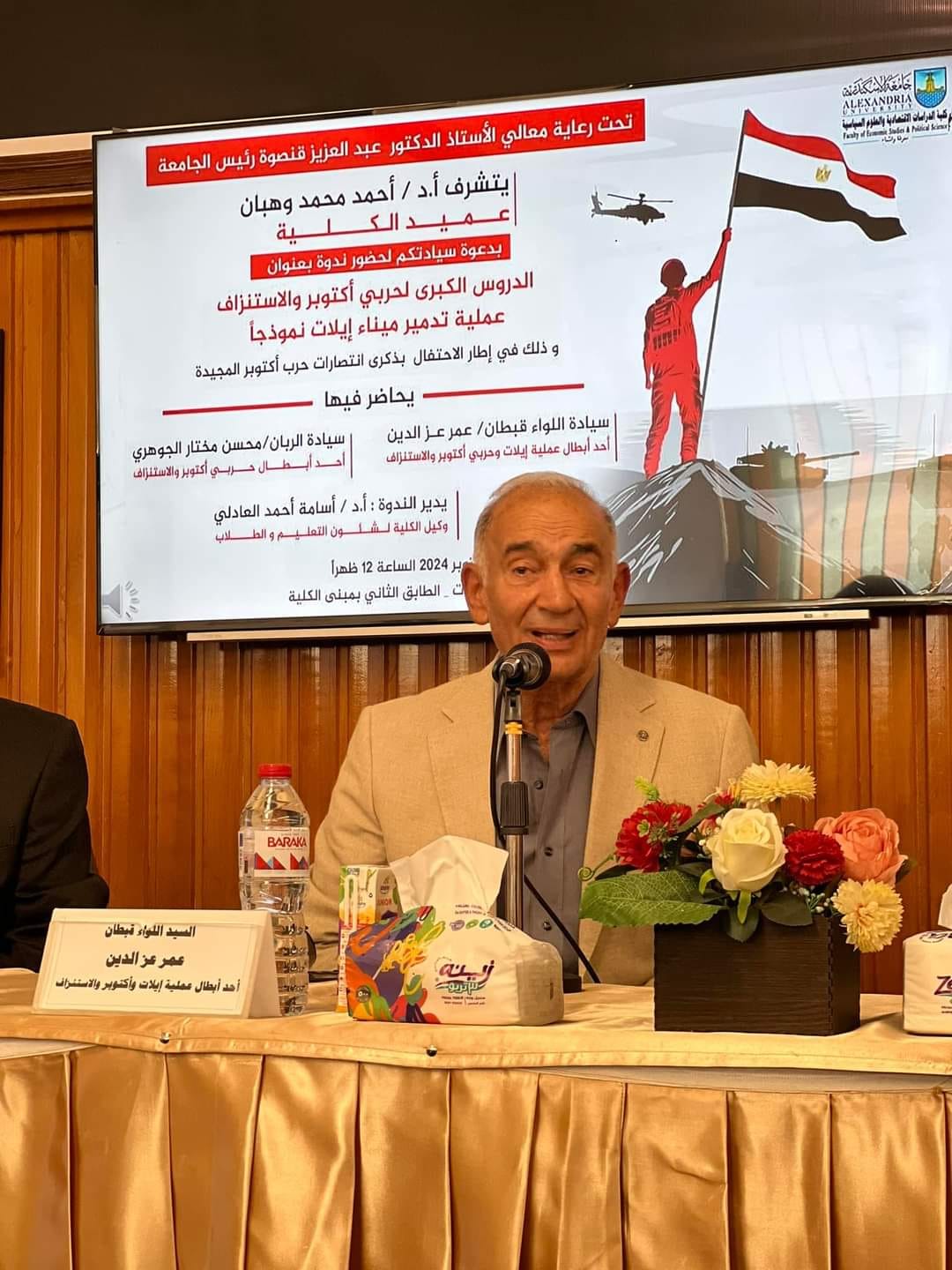
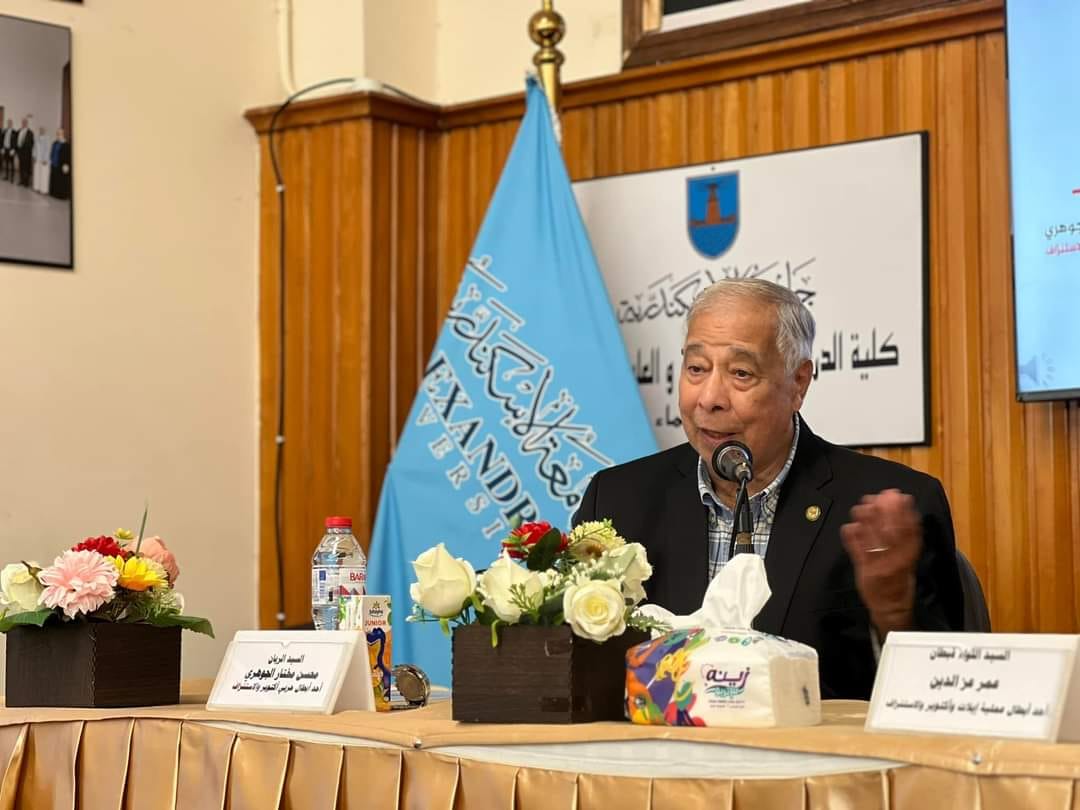
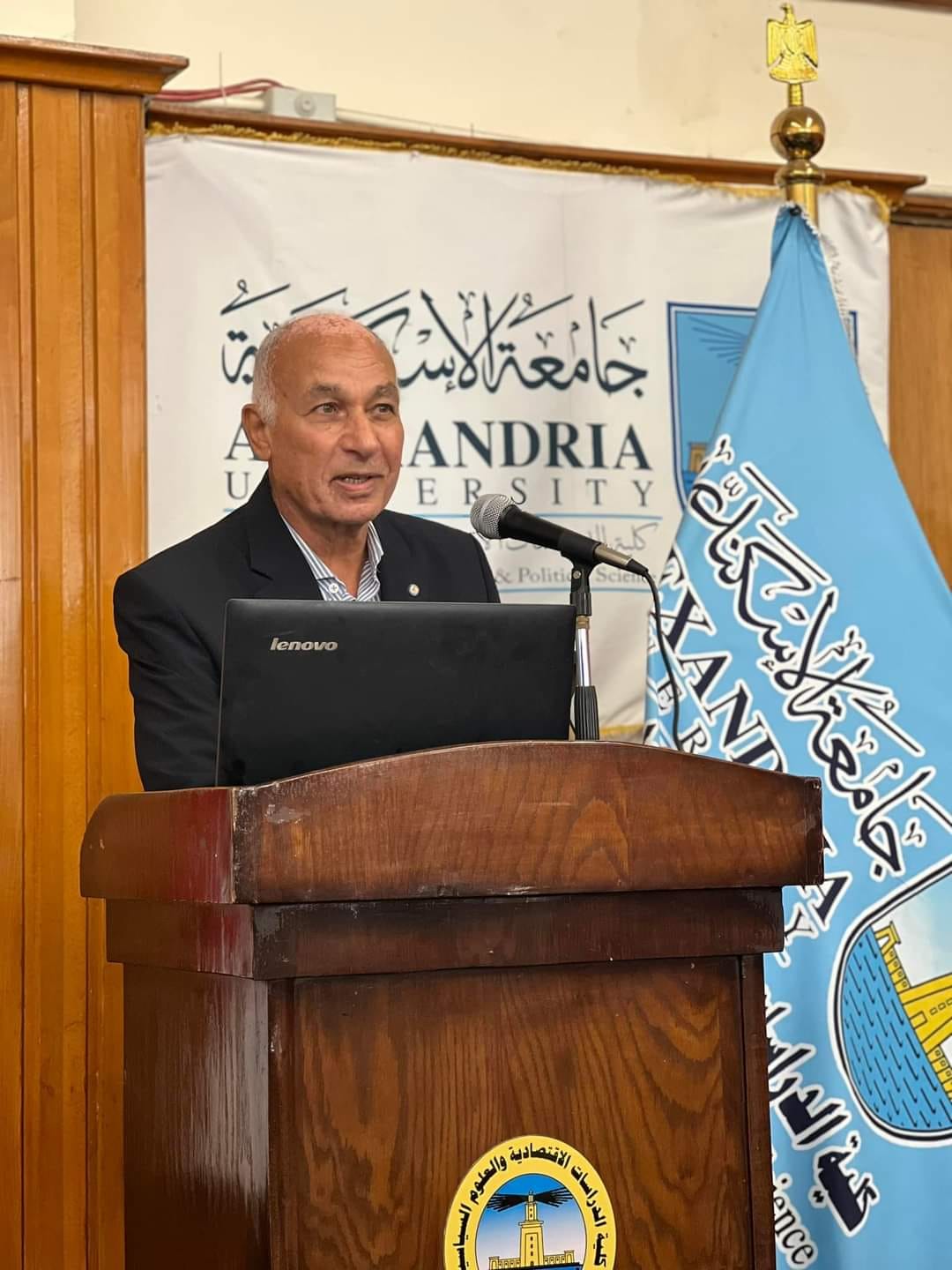
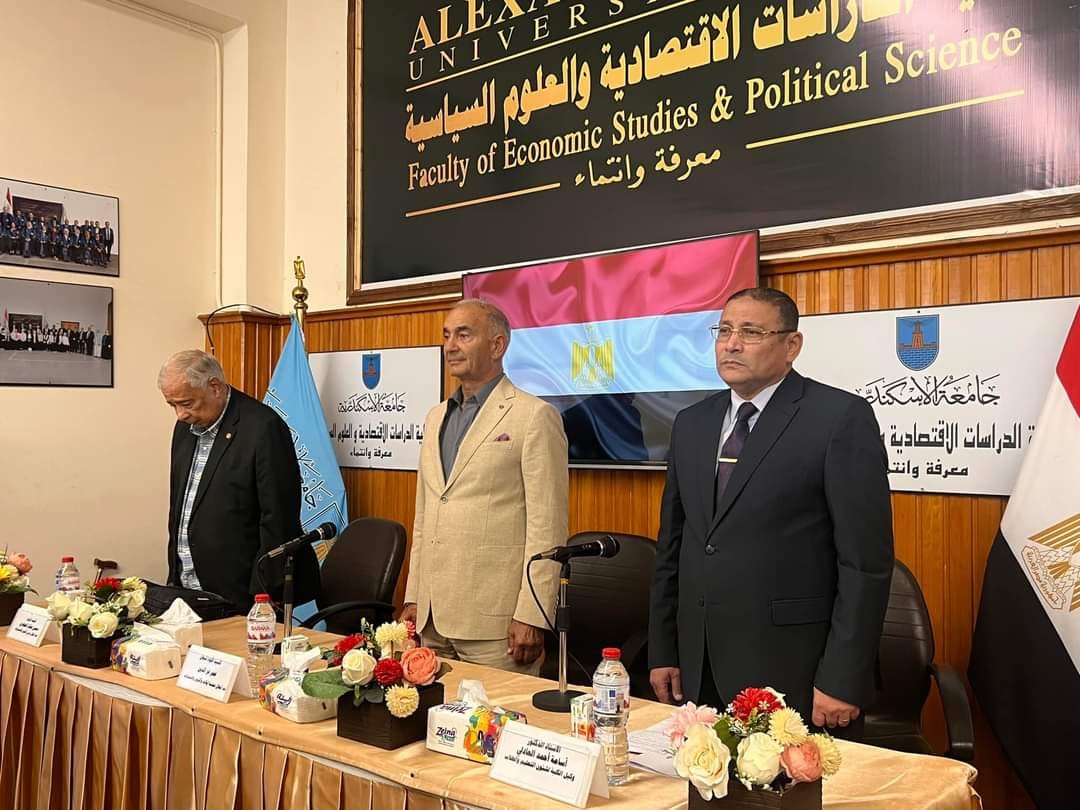
Under the auspices of Dr. Abdelaziz Konswa, President of Alexandria University, the Faculty of Economics and Political Science organized a symposium entitled: "The Great Lessons of the October and Attrition Wars: The Operation to Destroy the Port of Eilat as a Model", in which Major General Captain Omar Ezz El-Din - one of the heroes of the Eilat Operation and the October and Attrition Wars, and Captain Mohsen Mukhtar El-Gahry - one of the heroes of the October and Attrition Wars, lectured.
In his speech, Dr. Ahmed Wahban, Dean of the Faculty, pointed out that this symposium comes within the framework of the integrated activity of Alexandria University to introduce students to the history of our beloved Egypt and the bravery of its men who set an example to be followed in loyalty, sacrifice and dedication. He stressed that the October victory was a new renaissance and a victory that changed all the balance of power. He added that crossing the Suez Canal was a crossing of a nation
and several generations from the narrowness of despair and hopelessness to the spaciousness of hope, pride, dignity and faith. He called upon God Almighty to accept all our righteous martyrs who sacrificed their pure blood in order to inject new blood into our nation for a new era based on pride in the Egyptian identity.
The seminar was moderated by Dr. Osama El-Adly, the college’s vice dean for education and student affairs, who stressed in his speech that October 6, 1974 represents a pivotal moment in the history of our beloved Egypt, where the Egyptian army wrote countless lines of glory, and its soldiers and leaders wrote a new history for this country with letters of light, where they achieved what all military academies in the world described as a “miracle.” He also stressed the need for our youth to sense the value of this victory and take it as an example that whoever works sincerely and masters it will succeed and overcome hardships.
Major General Captain Omar Ezz El-Din Mahfouz reviewed the prominent role played by both economics and political science in managing battles and wars, considering them two very important and vital specializations, stressing that the October victories are an extension of a continuous chain of determination, bravery and steadfastness that began with the War of Attrition, which came days after the 1967 setback. The War of Attrition came to become a new starting point, the features of which began to crystallize in the “Ras El-Esh” battle, which is considered the beginning of the first stages of steadfastness along the front. In Port Fouad, after 3 weeks of a harsh defeat, as well as the people's refusal to step down from the political leadership, and their insistence on continuing the war to restore and liberate the land under the same leadership, His Excellency discussed the prominent role played by the Egyptian missile launches and the destruction of the destroyer Eilat, the largest and most massive Israeli naval vessel on October 21, which was a painful blow to the enemy's armies.
Major General Captain Omar Ezz El-Din also reviewed the most prominent events related to the operation to destroy the port of Eilat and the raid of November 8, 1969, and the raid of November 15-16, and the story of the martyred hero Mohamed Fawzi Al-Barquqi, who preferred to attain martyrdom while carrying out the mission with valor rather than withdraw with his colleagues who refused to leave his body in the water, referring to the doctrine of the Egyptian army and the role of the fighting soldier.
In his speech, Captain Mohsen Mokhtar El-Gohary discussed the cleaning of the Suez Canal, which is considered an extension of the October War. His Excellency reviewed the various diving activities in the Navy, namely: tactical diving carried out by frogmen, marine rescue, and military engineers. He also touched on the bombing operations carried out in cooperation with military engineers, the role of the human element in the war, the martyrdom doctrine of Egyptian soldiers, as well as the values of faith in God, love of the homeland, and hatred of the enemy, which played a major role in the successive victories achieved by the Egyptian army that dazzled the world. He also reviewed the impact of the October War on military thought.
Engineer Abdel Latif Antar, one of the heroes of the October War, gave a rich speech through which he introduced the students and attendees to the great role of the Engineering Corps in the October War and beyond.
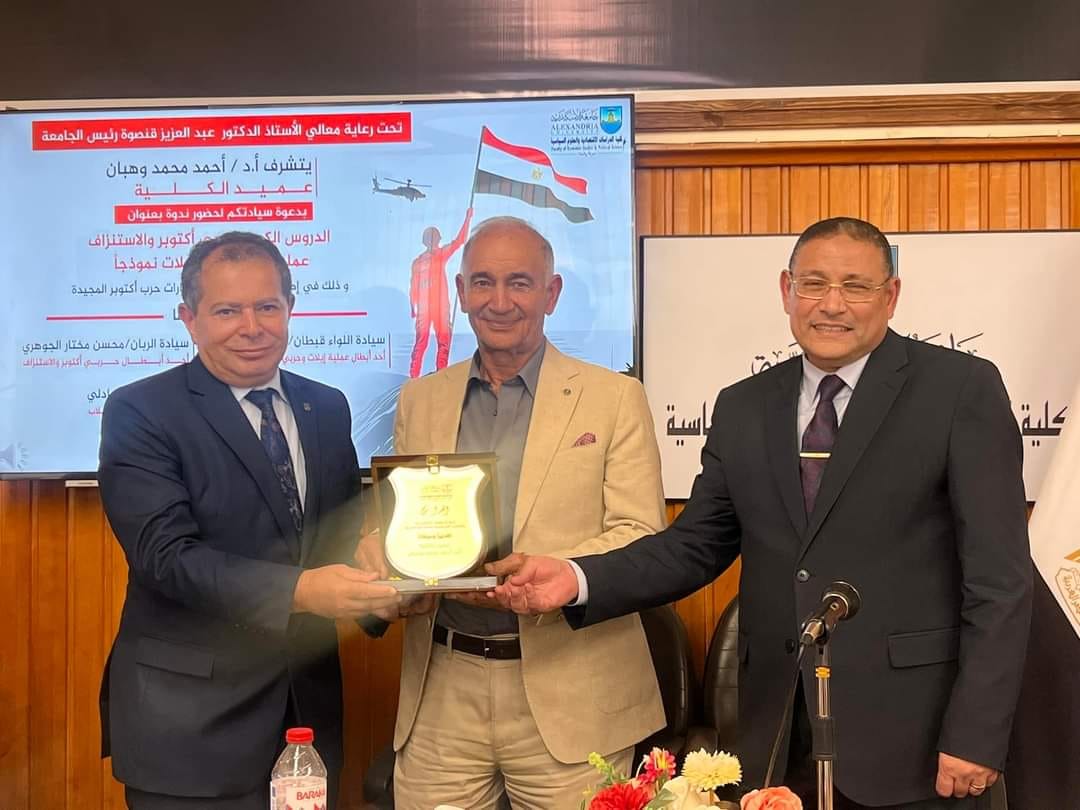
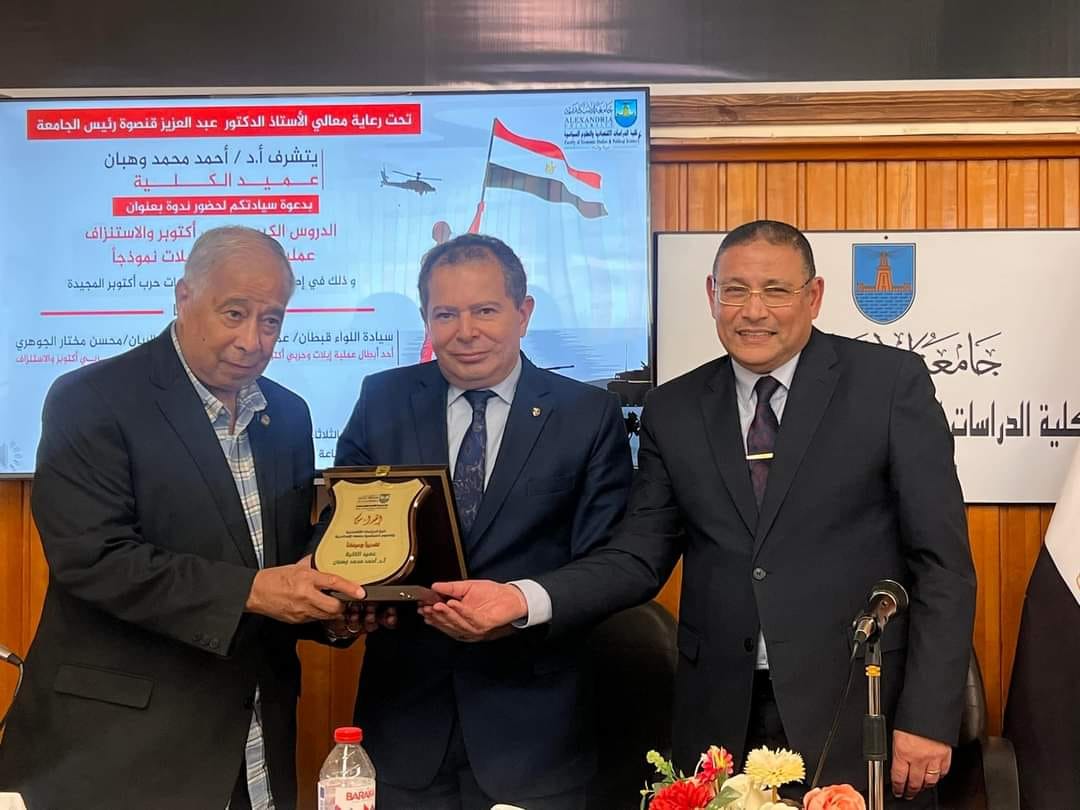
At the end of the event, Dr. Wahban honored the two distinguished guests by presenting them with the faculty shield in appreciation and gratitude, in the presence of a group of faculty members, assistants and students.
Faculty of Engineering Hosts Orientation for Dual Degree Program with University of Louisville
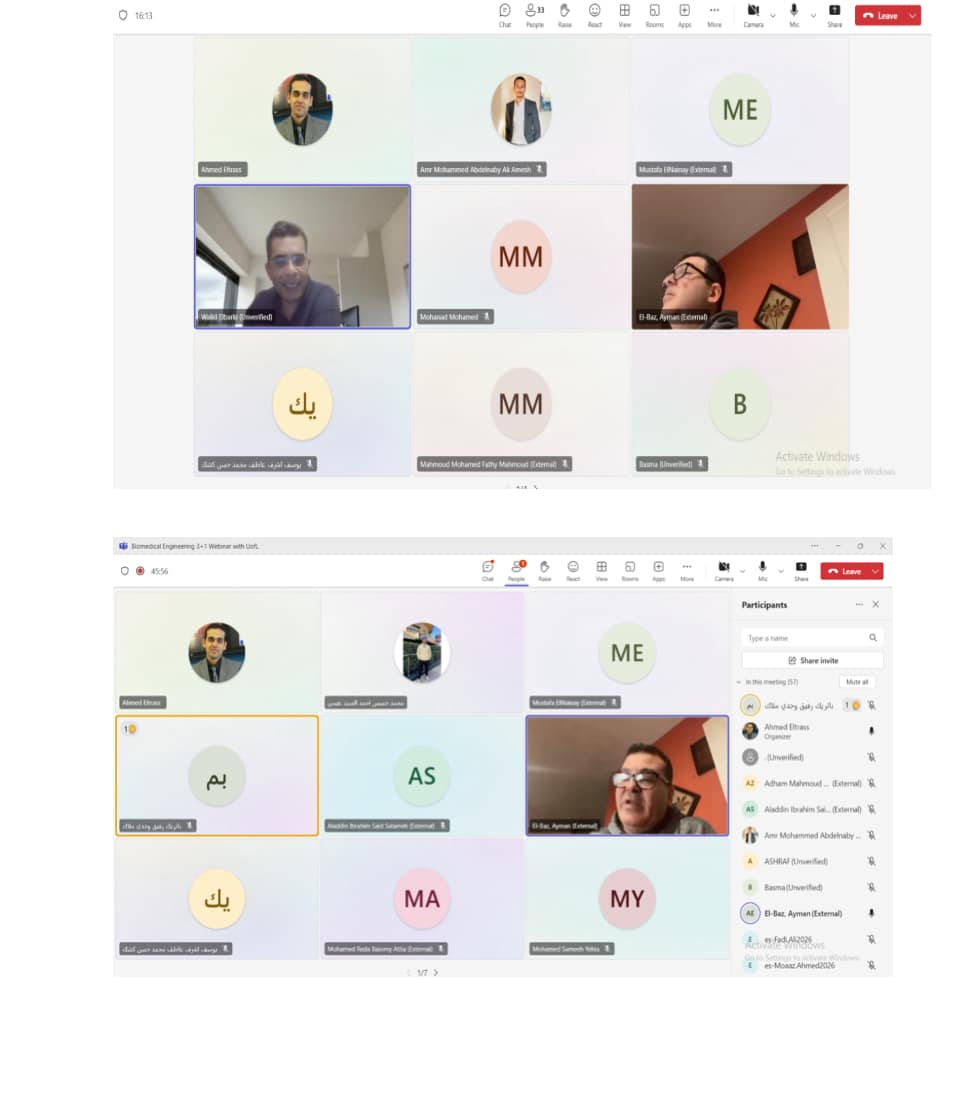
Under the patronage and supervision of Prof. Dr. Walid Elbarki, Dean of the Faculty of Engineering at Alexandria University, an informative orientation session was successfully held for the 4+1 / 3+2 Dual Degree Program in collaboration with the University of Louisville (USA), with distinguished attendance from academic leaders and a large number of students interested in international study opportunities.
The event featured notable participation from Prof. Dr. Ayman El-Baz, Chair of the Department of Bioengineering at the University of Louisville, Prof. Dr. Mustafa ElNainay, Dean of the Faculty of Engineering and Computer Science at Alamein University, and Prof. Dr. Ahmed Eltrass, Program Coordinator at the Faculty of Engineering, Alexandria University.
During the session, attendees were introduced to the program's key features, which offer students the opportunity to earn a dual degree from both universities in various engineering disciplines. The presentation highlighted the program's academic and practical advantages, including internship opportunities and promising career prospects after graduation.
All student inquiries were addressed in detail, covering admission requirements, the academic environment at the University of Louisville, hands-on training options, and pathways to employment both locally and internationally.
The session reflected a high level of engagement and enthusiasm from students and reaffirmed the Faculty of Engineering's commitment to providing outstanding international academic programs that broaden students' global horizons and equip them with skills aligned with the needs of the modern job market.
📺 To watch a recording of the session, visit the following link:
🔗 Click here to watch
President of Alexandria University Appoints New Vice Deans
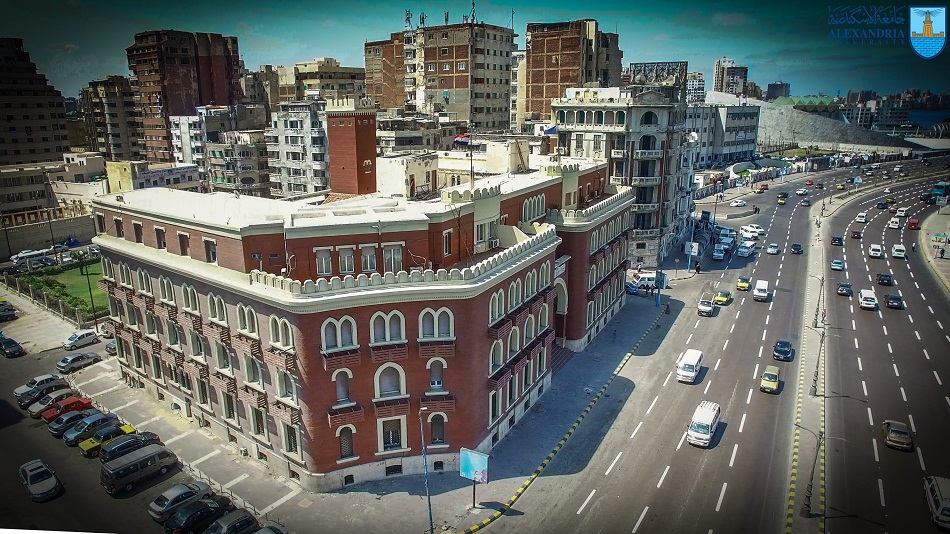
Professor Dr. Abdelaziz Konsowa, President of Alexandria University, issued decisions appointing new vice deans in several faculties, as follows:
* Dr. Jihan Farouk Abul-Kheir, Vice Dean of the Faculty of Specific Education for Education and Student Affairs, for a period of three years.
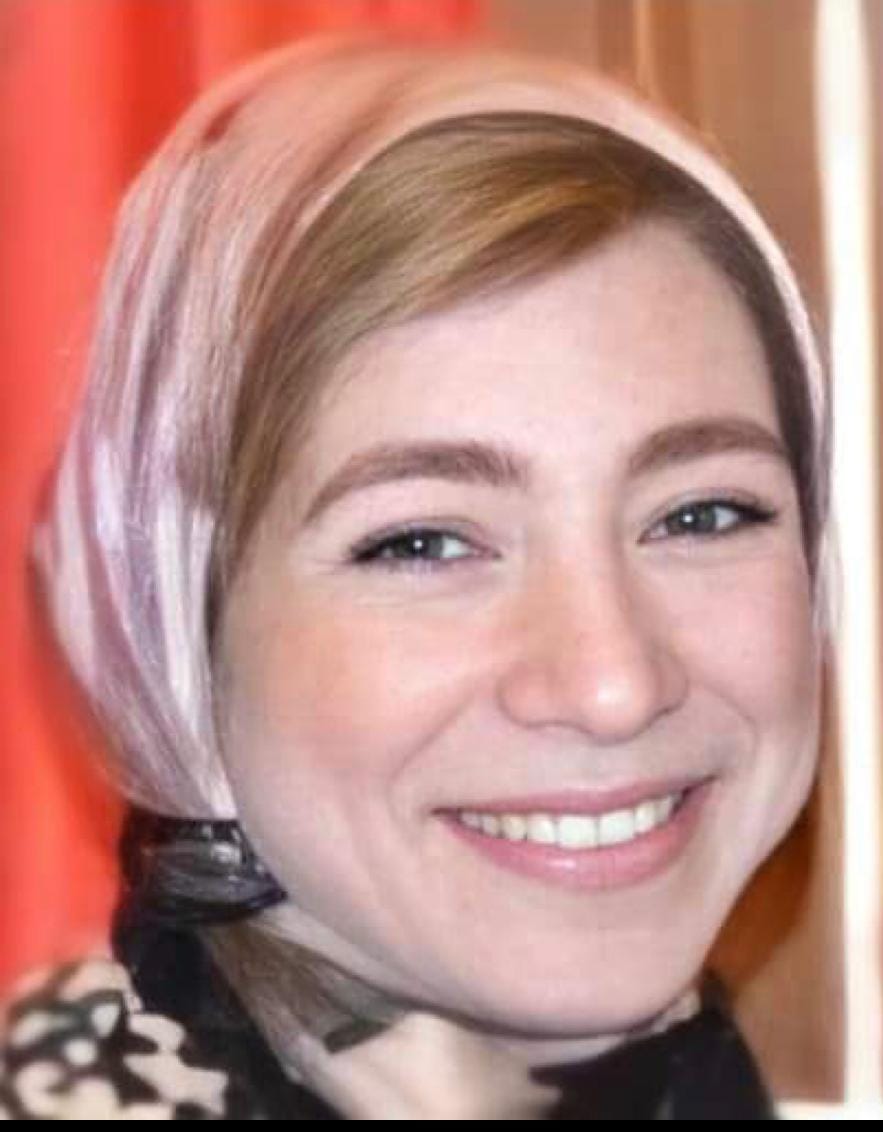
* Dr. Lamia Ahmed Othman, Vice Dean of the Faculty of Early Childhood Education for Community Service and Environmental Development Affairs, for a period of three years.
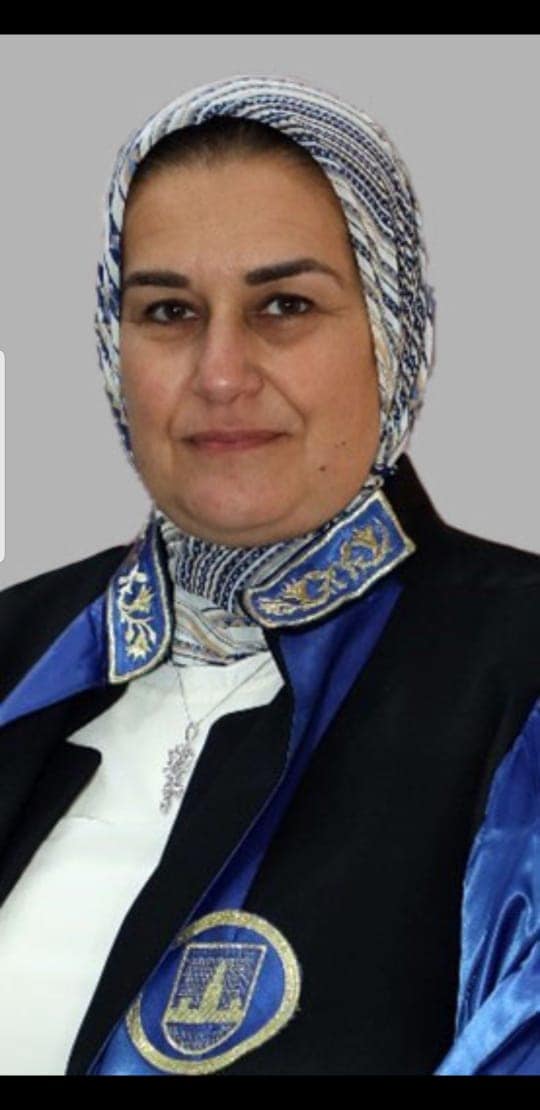
* Dr. Sahar Mansour Lamada, Vice Dean of the Faculty of Nursing for Community Service and Environmental Development Affairs, for a period of three years.
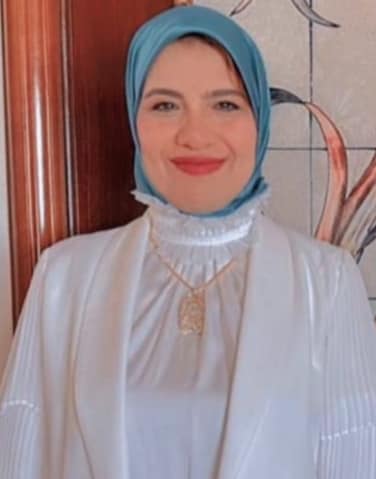
* Dr. Islam Amin Zaki, Vice Dean of the Faculty of Physical Education for Boys’ for Education and Student Affairs, for a period of three years.
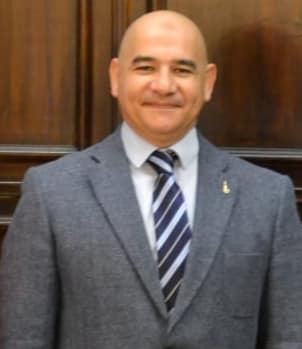
Presidential Decree Appointing Dr. Nagda Mady as Dean of the Faculty of Specific Education
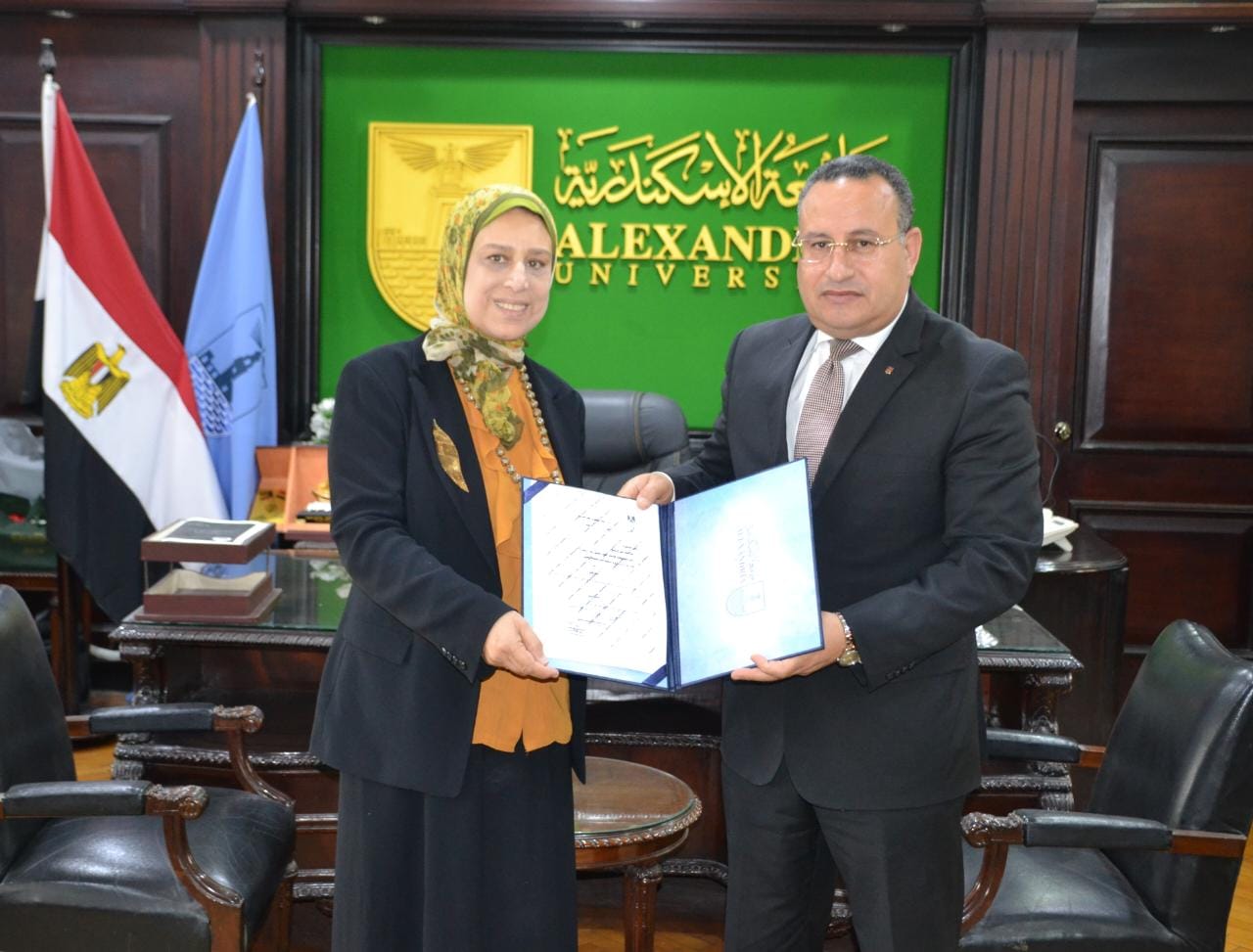
Professor Dr. Abdelaziz Konsowa, President of Alexandria University, received Dr. Nagda Ibrahim Mahmoud Mady, where he congratulated her on the issuance of the presidential decree appointing her as Dean of the Faculty of Specific Education, wishing her success in assuming the duties of her position, and continuous efforts to raise the level of the faculty. He stressed that the university will provide all forms of support and assistance to help her in carrying out her mission successfully.