 English
 Faculty News
Faculty of Nursing Celebrates International Nurses Day: Investing in Nursing Workforce is an Investment in Community Health
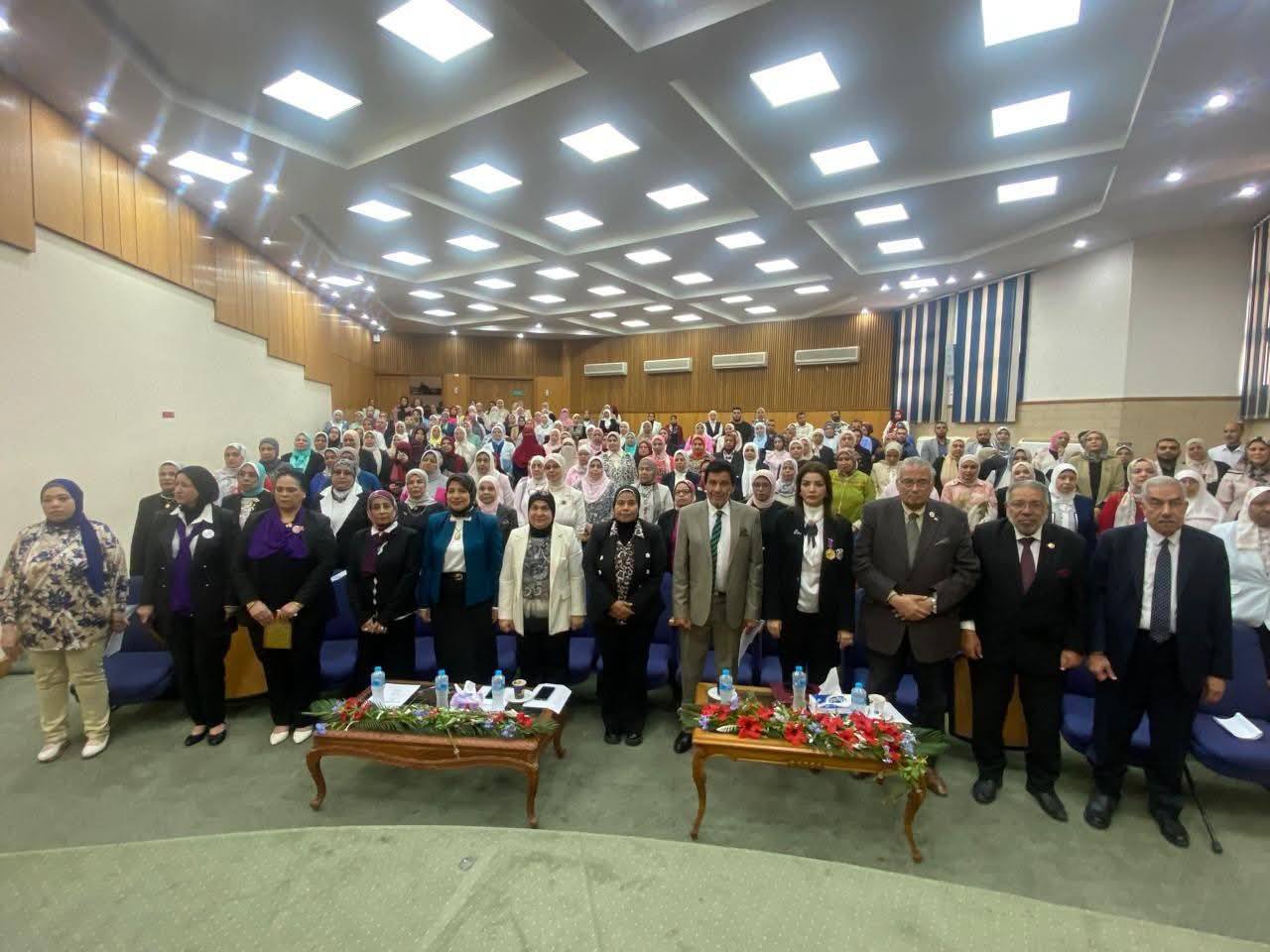
Under the auspices of Prof. Dr. Ahmed Adel Abdel Hamid, Acting President of Alexandria University, the Faculty of Nursing organized a celebration on the occasion of International Nurses Day under the theme: “Together to Empower Nursing and Save Lives”, in the presence of a distinguished group of academic, medical, and union leaders.
The celebration comes within the framework of supporting and strengthening the vital role of the nursing profession, and affirming the Faculty’s ongoing efforts to enhance its status, contributing to the preparation of competent cadres capable of keeping pace with modern developments and achieving the highest standards of quality in healthcare delivery.
In her speech, Prof. Dr. Hanan Hosny El-Shorbagy, Dean of the Faculty of Nursing, emphasized that nursing represents one of the fundamental pillars of the healthcare system, carrying a noble humanitarian mission based on dedication and giving. She noted the Faculty’s commitment to preparing qualified nursing graduates, both scientifically and practically, who are capable of adapting to modern developments and meeting labor market demands.
Dr. Sahar Mansour Lamada, Vice Dean for Community Service and Environmental Development, stated that celebrating International Nurses Day reflects society’s appreciation of the pivotal role played by nursing professionals in the healthcare system, stressing that investing in nursing workforce is a direct investment in community health, along with the importance of continuous training and providing a supportive and motivating work environment.
For her part, Dr. Soha Mostafa, Head of the Nurses Syndicate in Alexandria, expressed her appreciation for the efforts of nursing teams and their vital role in delivering healthcare services, noting that their dedication and commitment present an honorable image of the profession and contribute to improving the quality of healthcare services.
The celebration was attended by a number of academic and medical leaders and figures, including Dr. Awatif El-Sharqawy, Vice Dean for Postgraduate Studies and Research, and Dr. Abdel Moneim Fawzy, Head of the Alexandria Doctors Syndicate, in addition to representatives of healthcare institutions, faculty members, heads of academic departments, and nursing directors in hospitals.
The event included scientific sessions and discussions addressing several key topics related to developing nursing practice and enhancing healthcare quality. Dr. Marwa Gaber presented the concept of human-centered care within healthcare settings, while Dr. Iman El-Sayed Taha discussed the importance of balancing technological advancement with preserving the human dimension in healthcare delivery. Dr. Nancy Sabry El-Leithy also addressed the concept of compassionate leadership and its role in supporting the psychological well-being of nursing staff and reducing occupational stress.
The celebration also featured several awareness and human-interest videos reflecting the nature and mission of the nursing profession, in addition to showcasing real-life experiences and stories that highlight the humanitarian impact of the profession.
In conclusion, the Faculty honored academic departments and a number of nursing directors in hospitals in recognition of their continuous efforts and contributions to supporting the healthcare system and improving the quality of nursing services.
Alexandria University Council Honors Faculty of Sports Sciences Champions for International Achievements
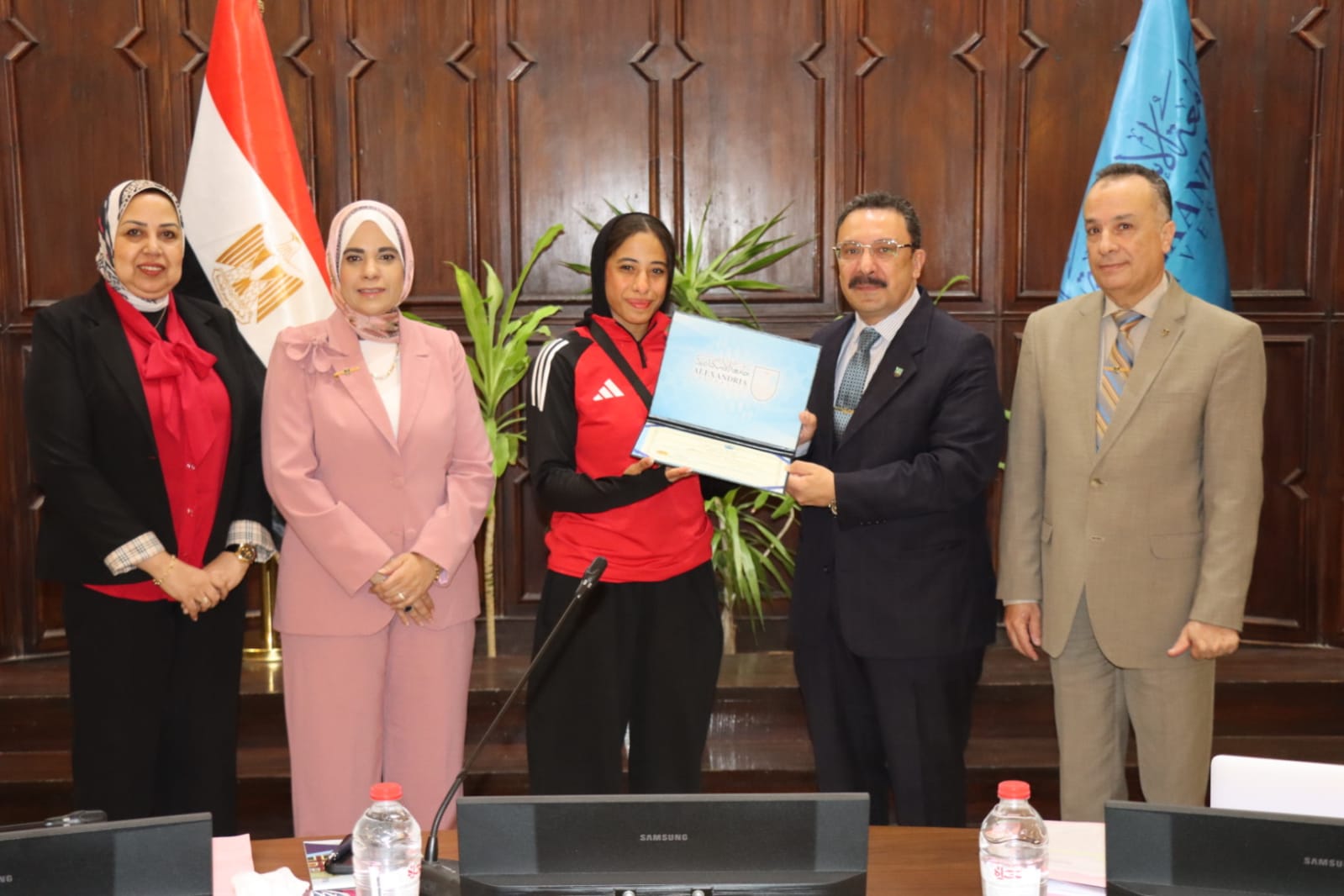
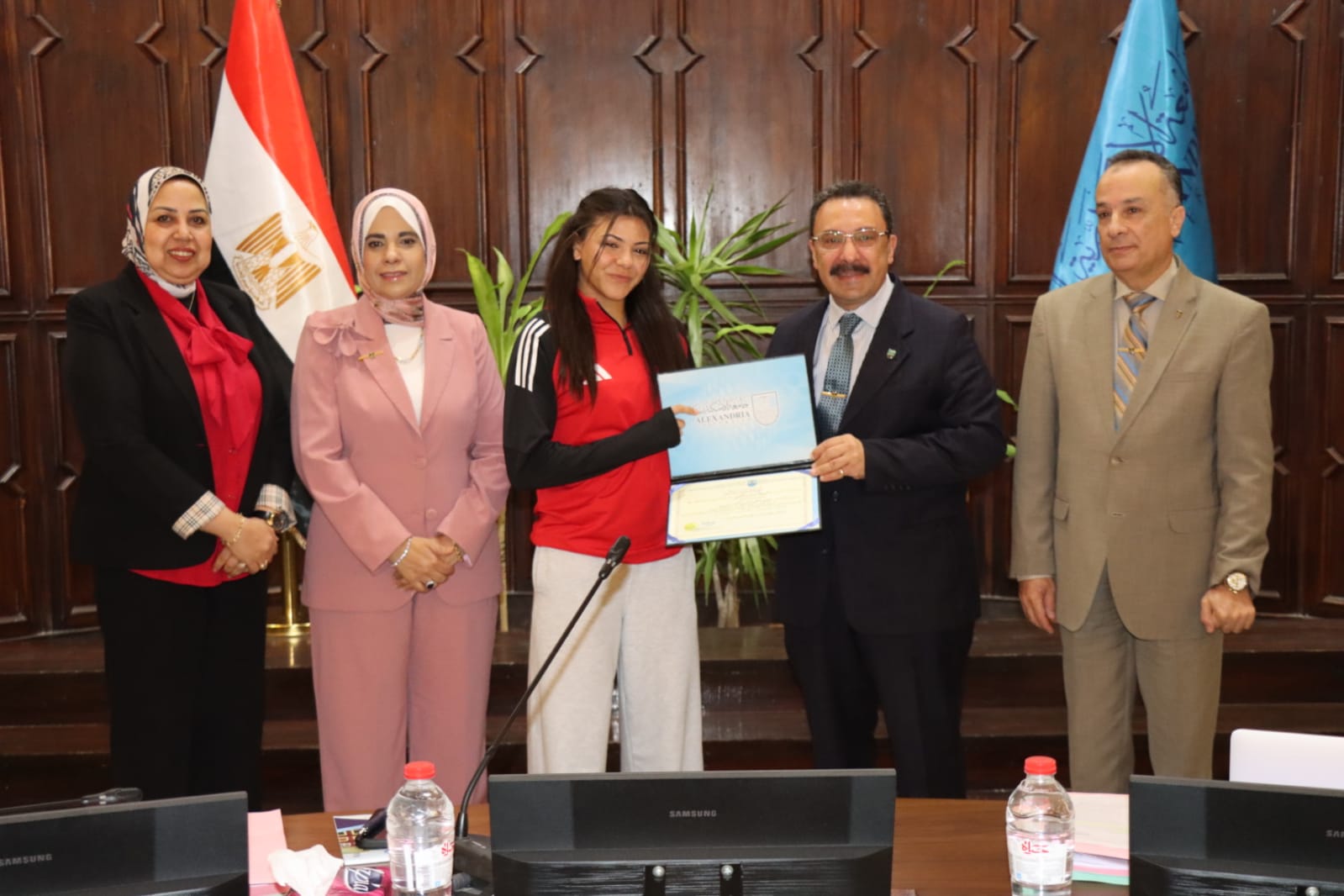
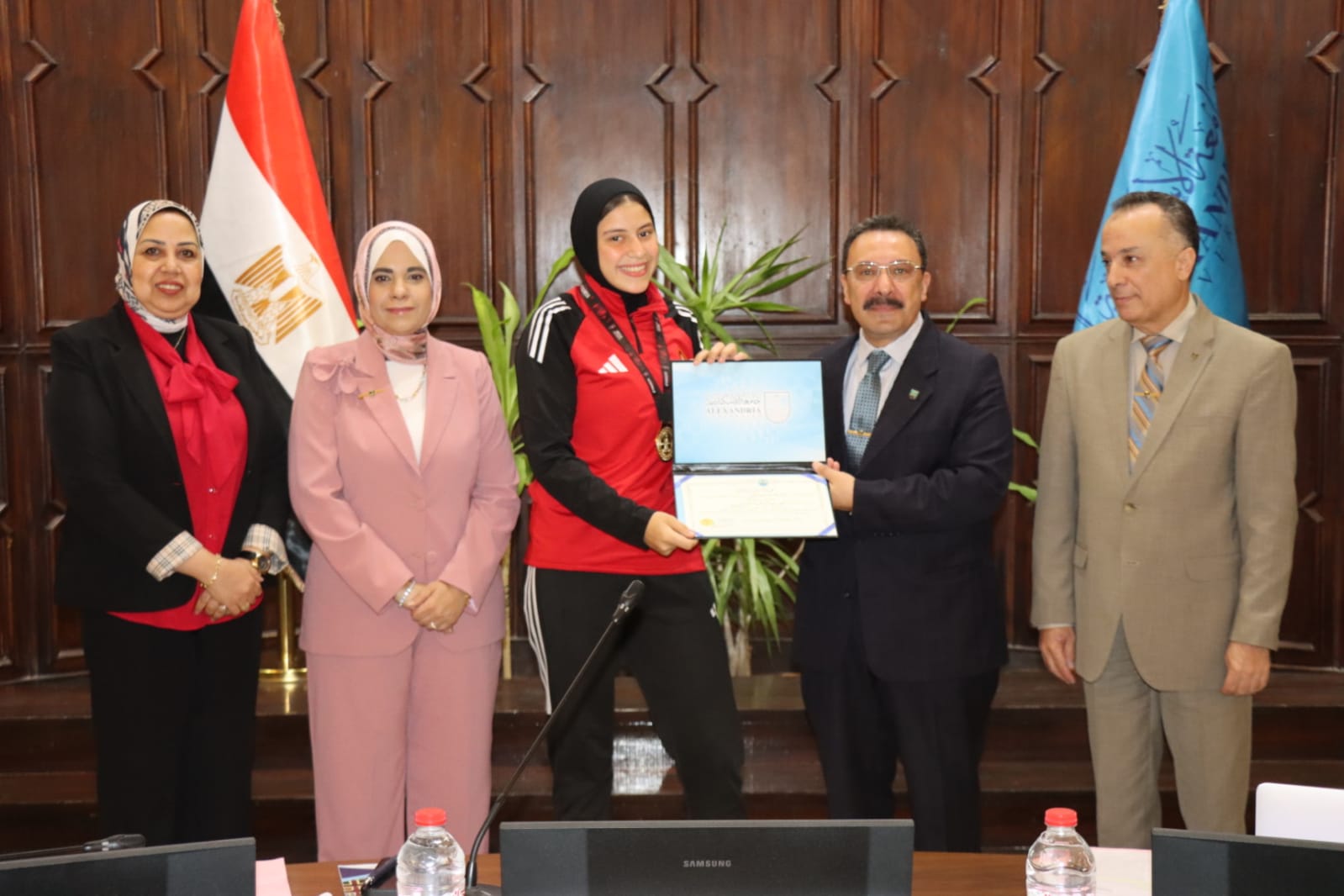
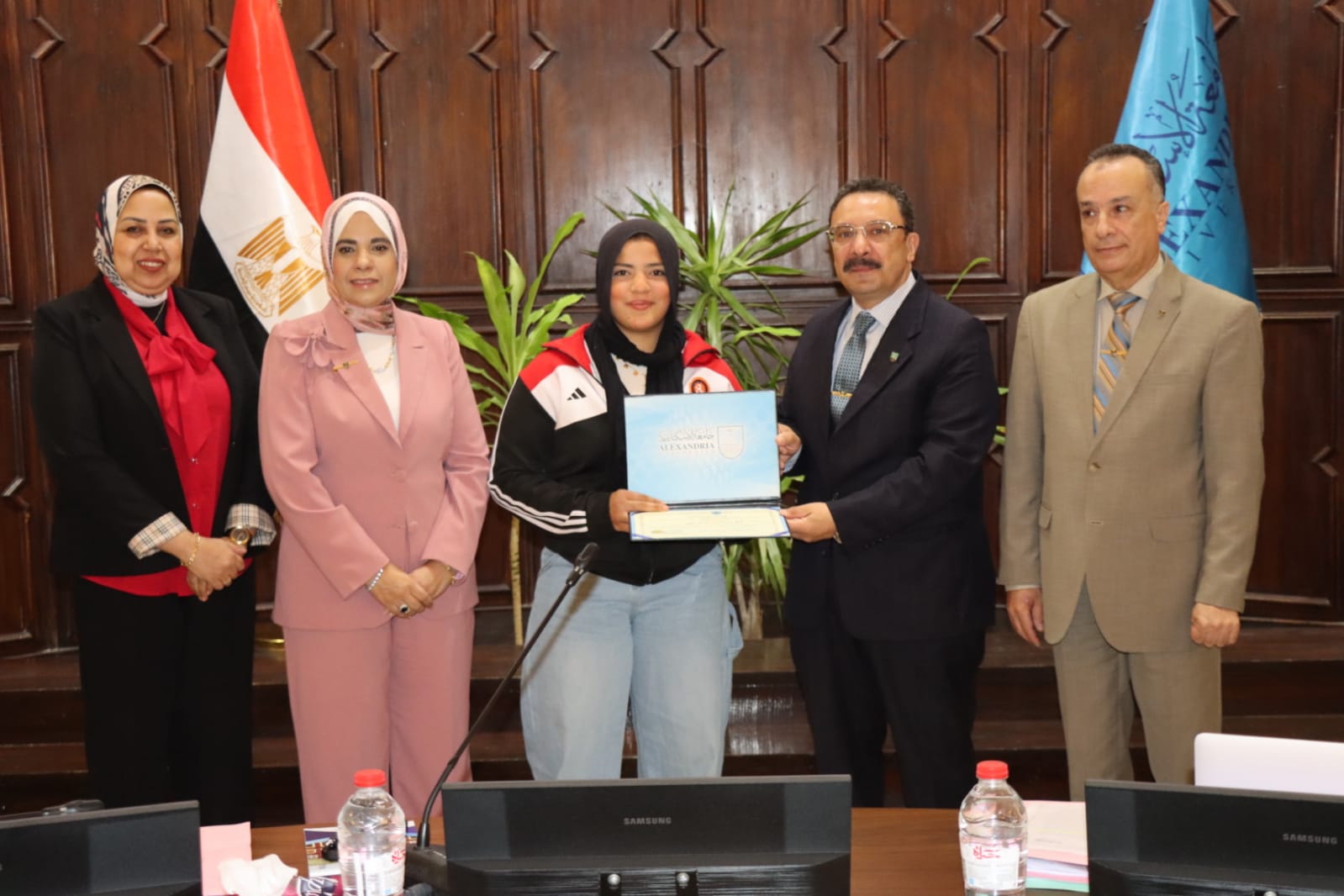
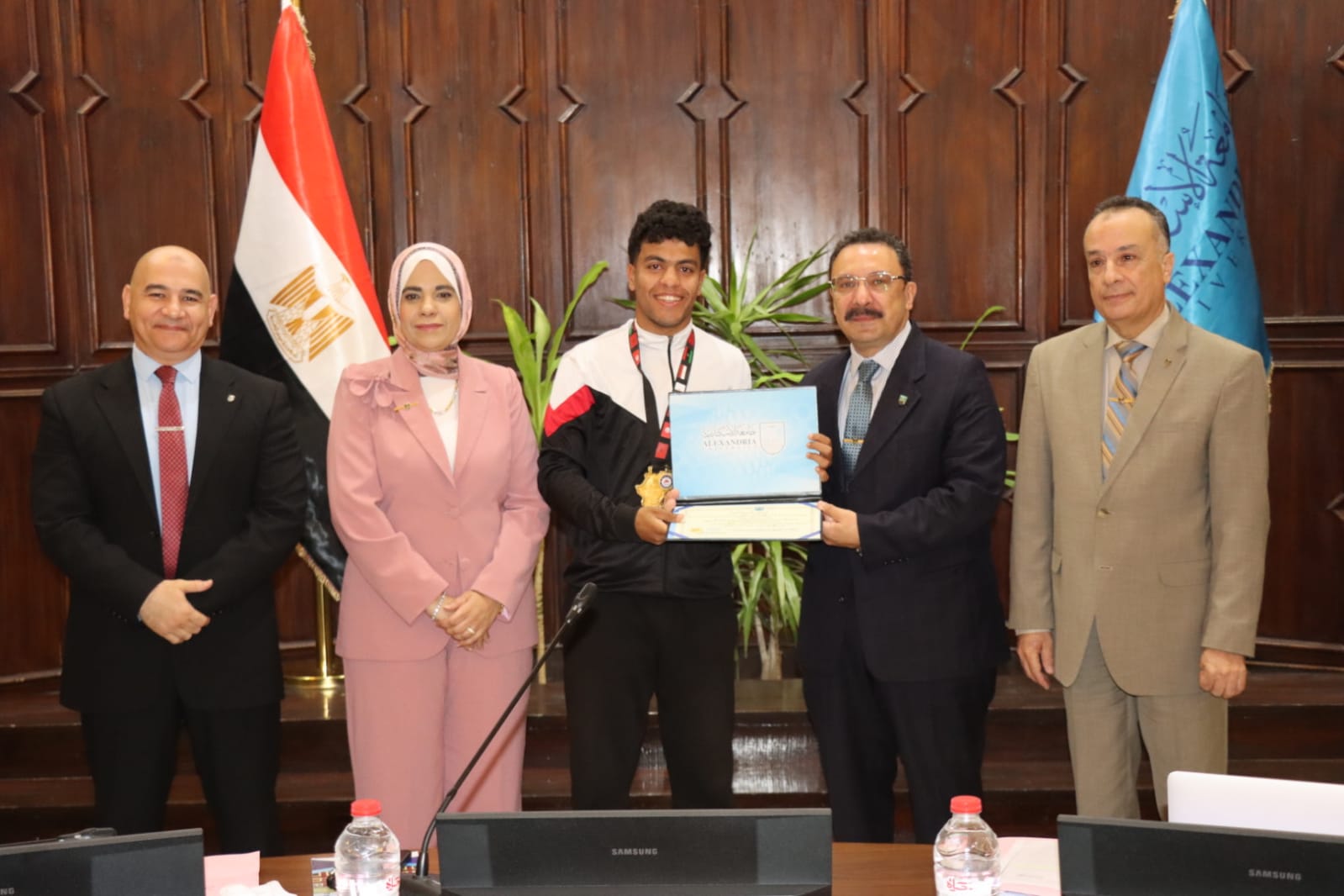
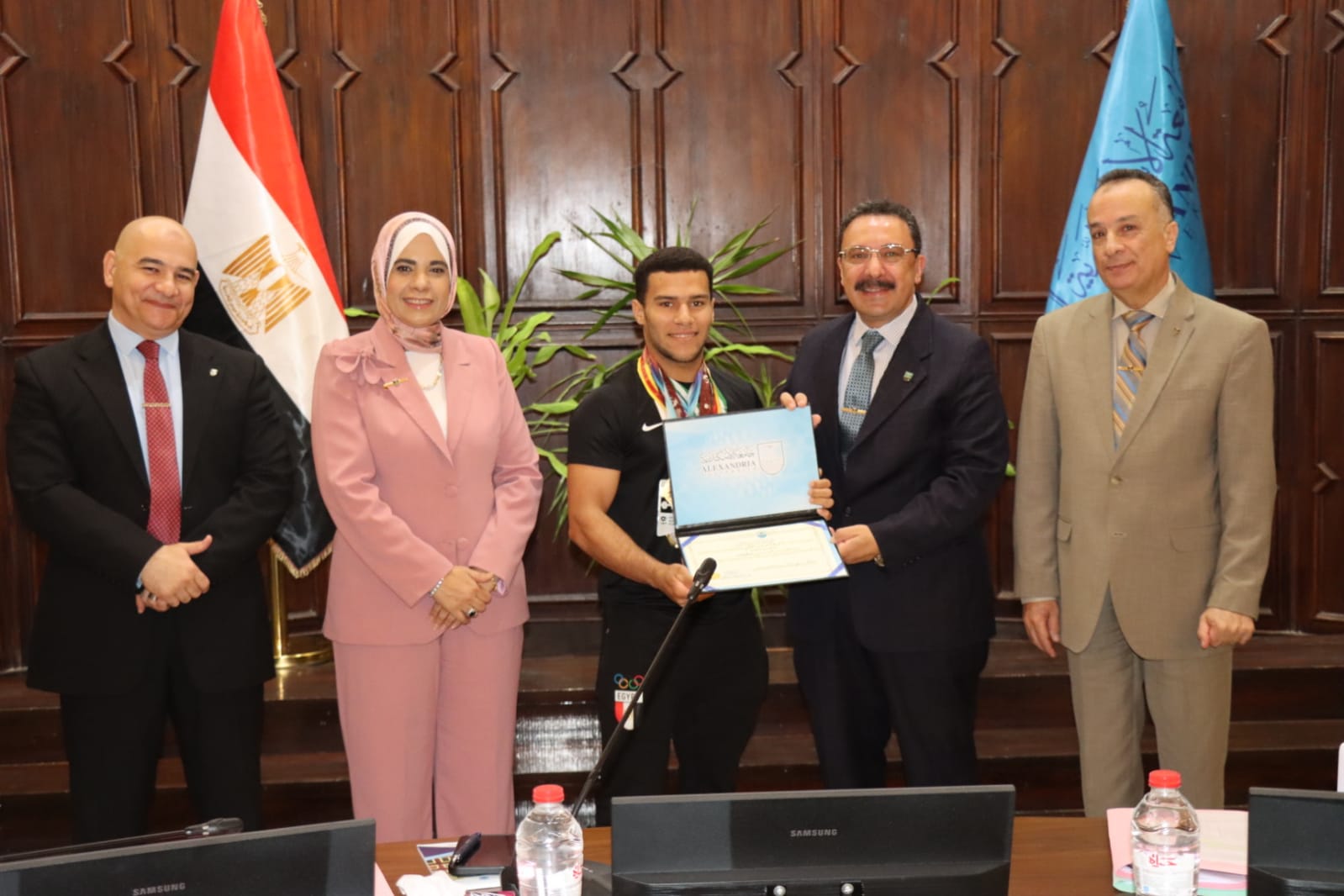
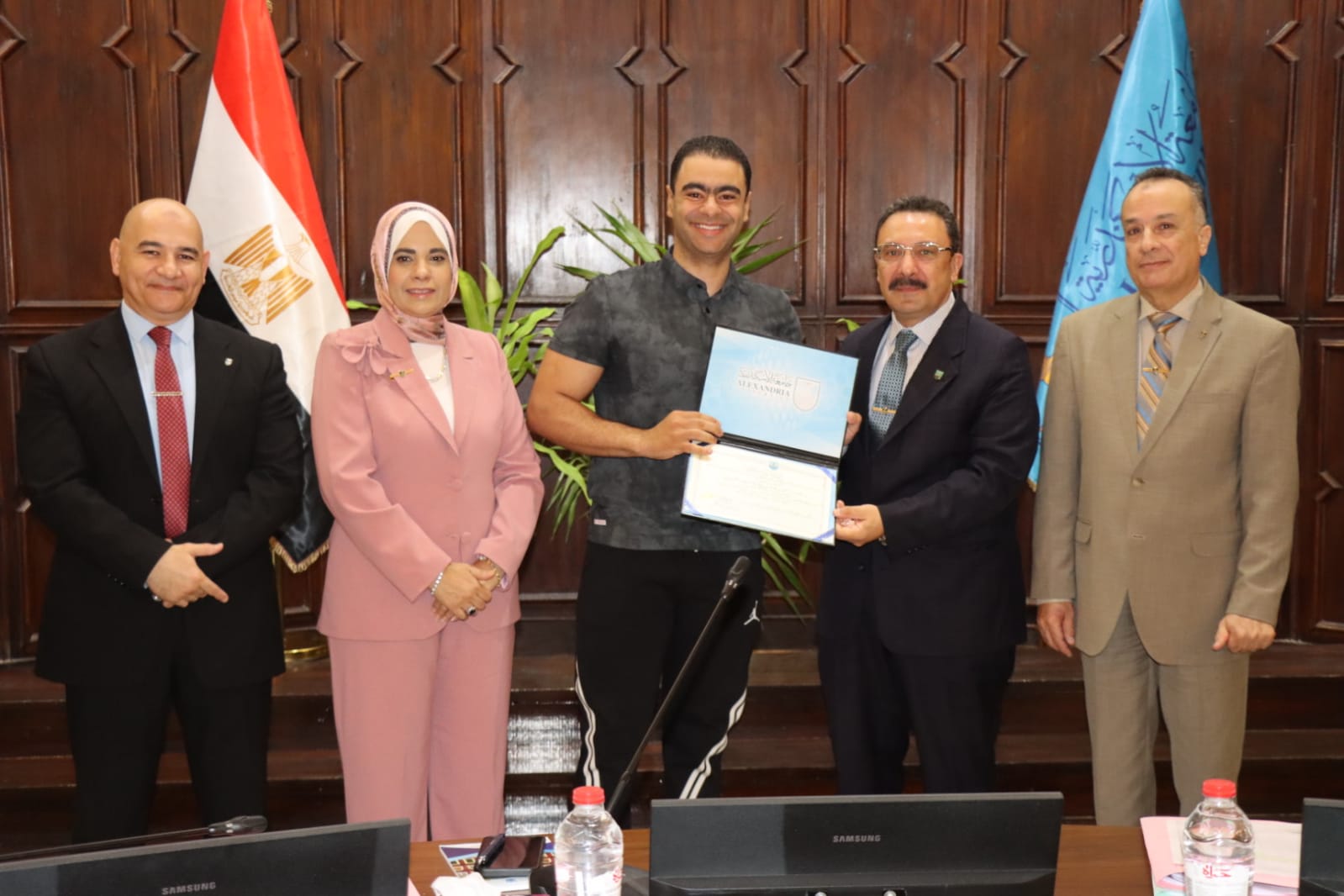
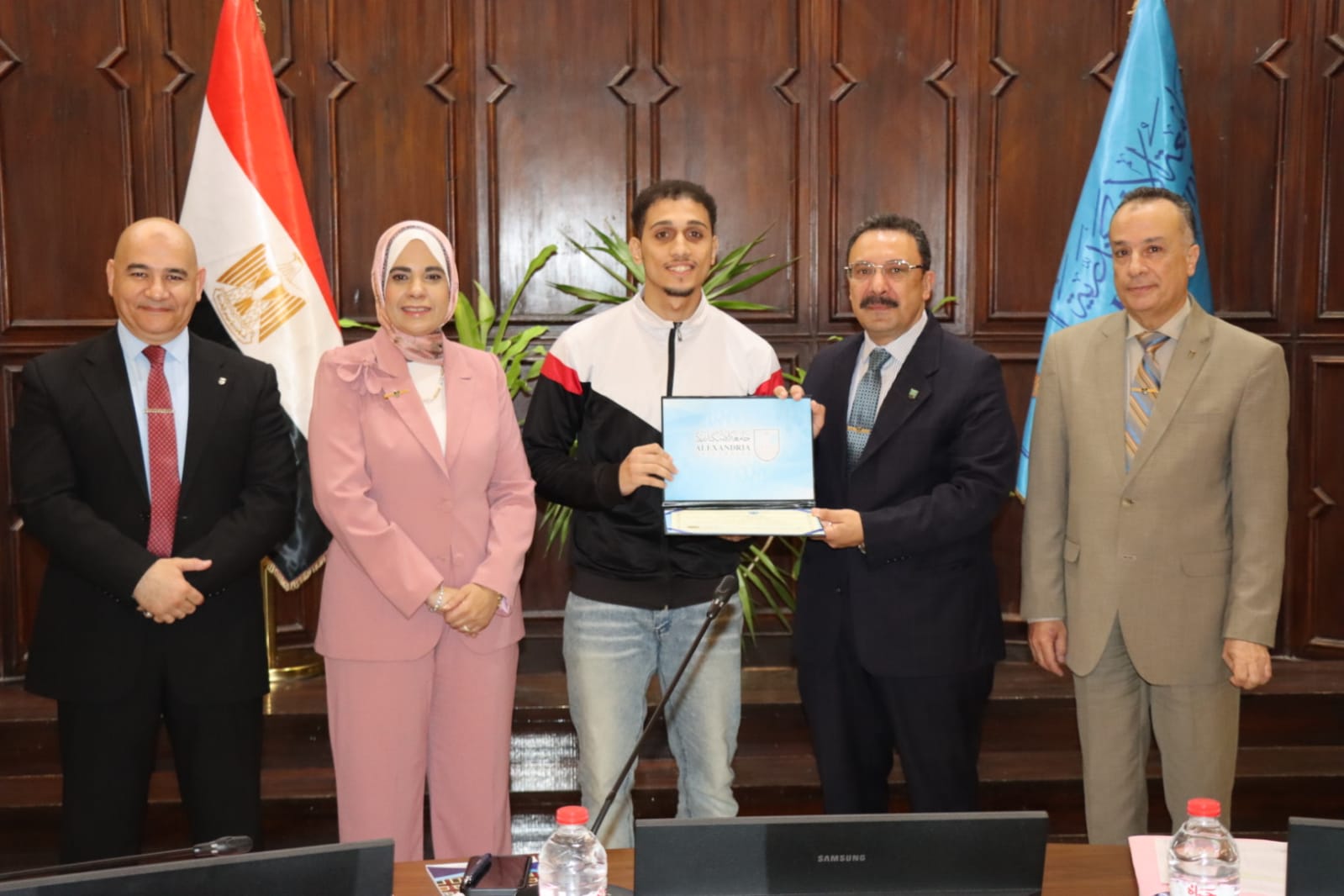
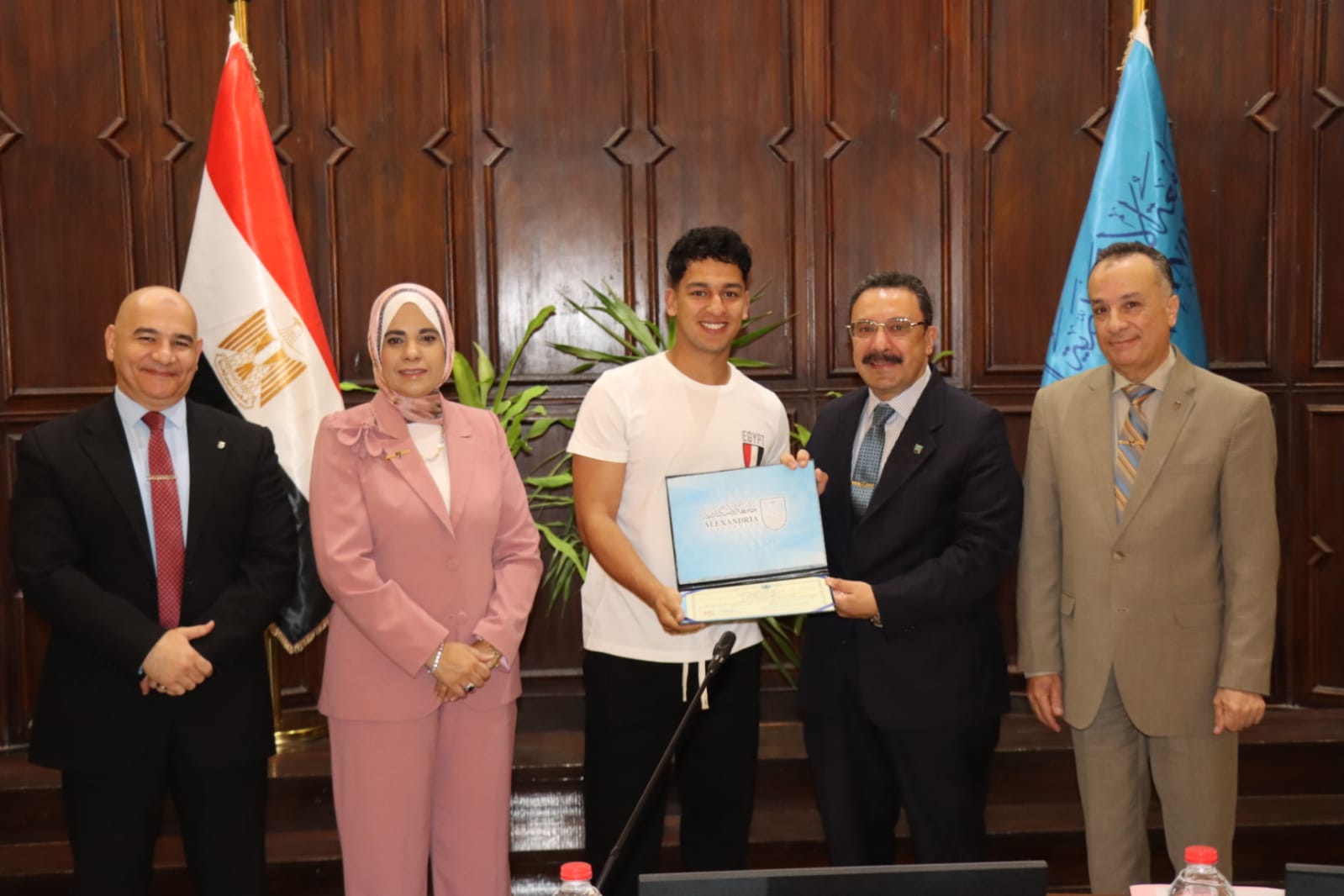
The Alexandria University Council, during its meeting chaired by Professor Ahmed Adel Abdel Hakim, Acting President of Alexandria University, honored male and female students from the Faculty of Sports Sciences for outstanding international achievements, in recognition of their distinguished accomplishments and their role in raising the name of Egypt and Alexandria University in international sporting arenas.
Professor Ahmed Adel Abdel Hakim, Acting President of Alexandria University, stated that the university takes great pride in the remarkable achievements of its students at the international level, noting that such accomplishments are the result of talent, dedication, and hard work, while also reflecting the quality of support and care provided by the university across various fields.
He added that Alexandria University is committed to creating a motivating environment that helps students develop their abilities and refine their skills, contributing to the preparation of a generation capable of excellence, competitiveness, and representing both Alexandria University and Egypt with distinction at international events.
For their part, the honored students expressed their sincere gratitude and appreciation to Alexandria University’s administration for the recognition and continuous support, emphasizing that the university’s commitment to nurturing and motivating talented students serves as a strong incentive for achieving further accomplishments and continuing to raise the university’s profile in various sporting events.
The honored students included:
- Malak Ahmed Mohamed Hassan – Gold Medal at the 2026 African Women’s Wrestling Championship.
- Shahd Hatem Abdel Nabi – Gold Medal at the African Women’s Wrestling Championship.
- Menatallah Hamdy Mohamed Mostafa – Silver Medal at the African Women’s Wrestling Championship.
- Heba Sabry Abdel Nabi – Bronze Medal at the African Women’s Wrestling Championship.
- Fares Mohamed Ahmed Abdel Baky – Gold Medal in Karate at the North African Championship.
- Mohamed Abdel Nabi Hegazy – Gold Medal in Wrestling at the African Wrestling Championship.
- Omar Khaled Abdullah – Gold Medal at the Turkish Grand Prix, Gold Medal at the North African Karate Championship, and Fifth Place at the International World Championship in the UAE.
- Ahmed Badawy Gaber Hussein – Gold Medal in Powerlifting (2026).
- Mohamed Ashraf Mohamed Saeed – Gold Medal at the Powerlifting World Cup Championship.
- Omar Mohamed El-Araby – Gold Medal at the African Gymnastics Championship.
- El-Sayed Attia – Gold Medal in Weightlifting at the African Championship.
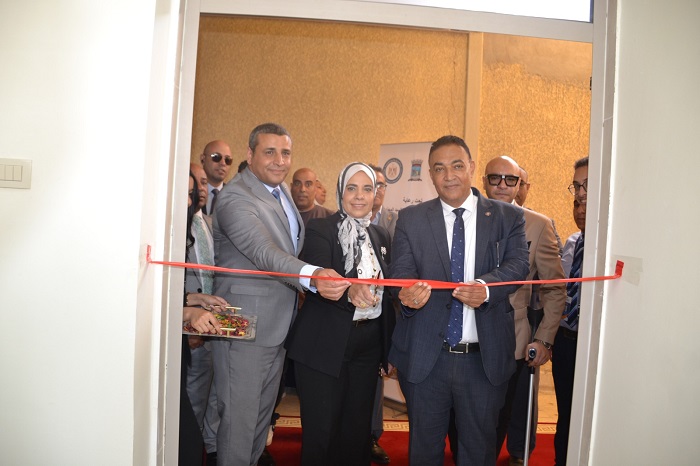
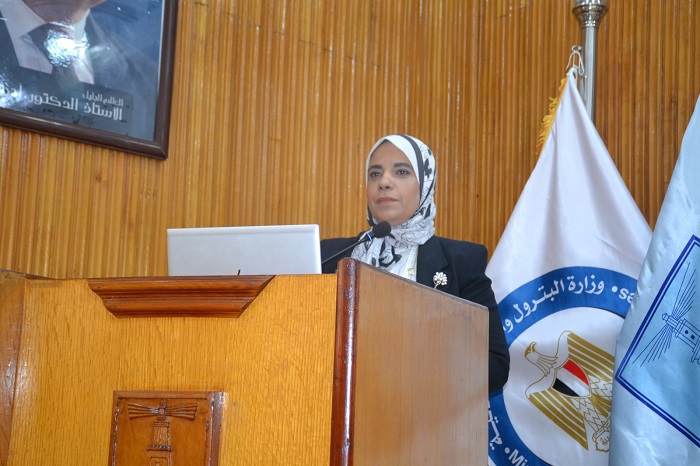
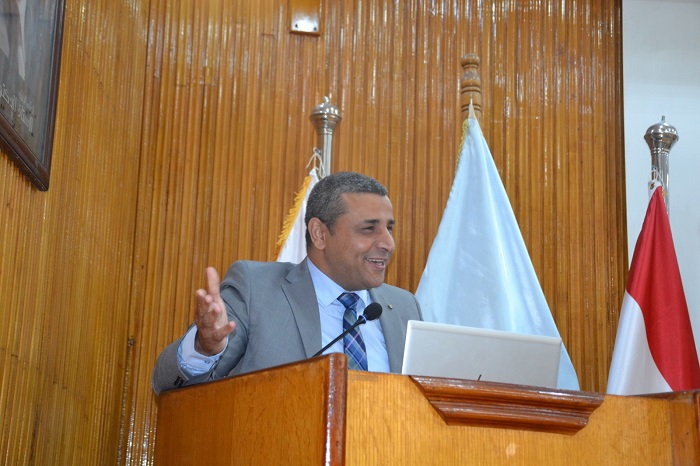
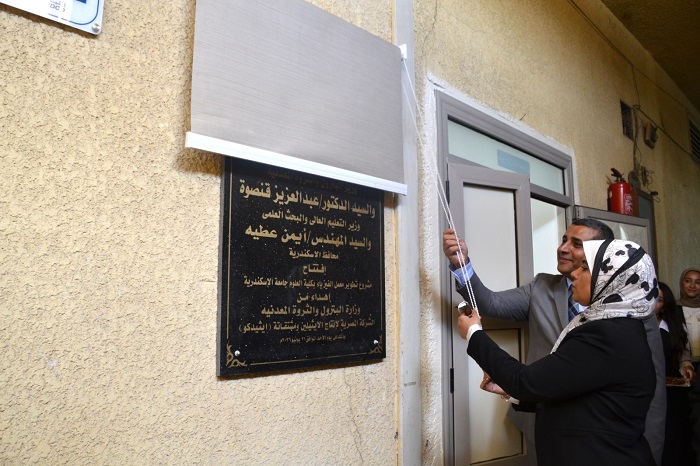
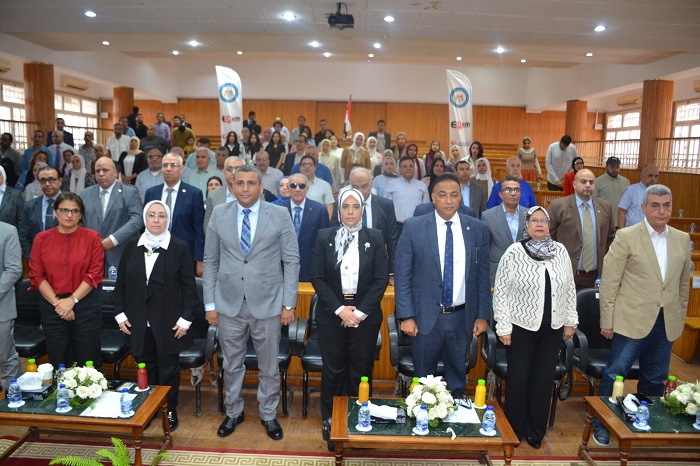
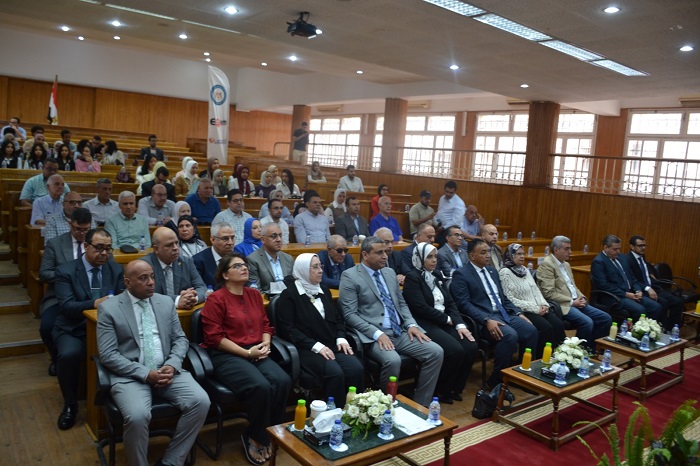
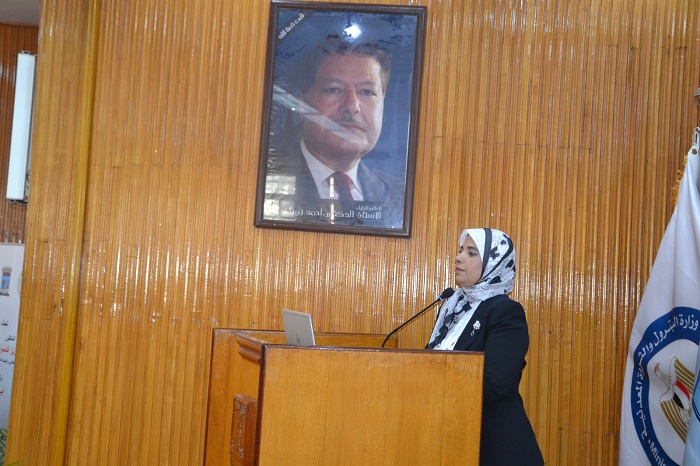
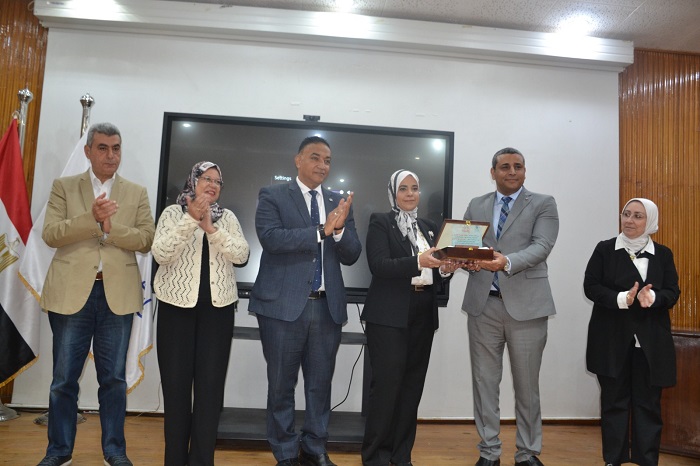
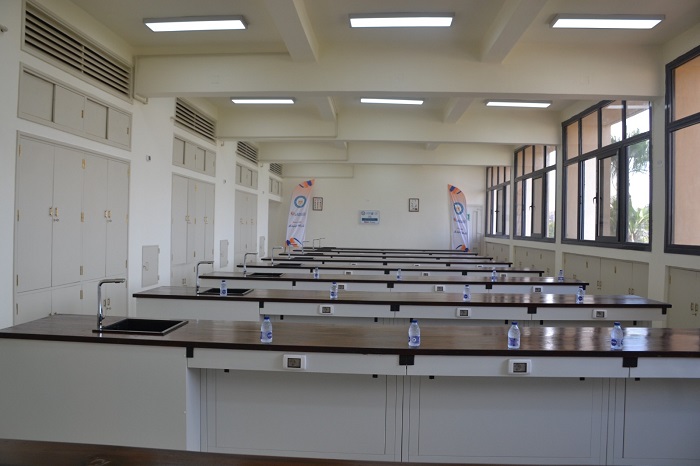
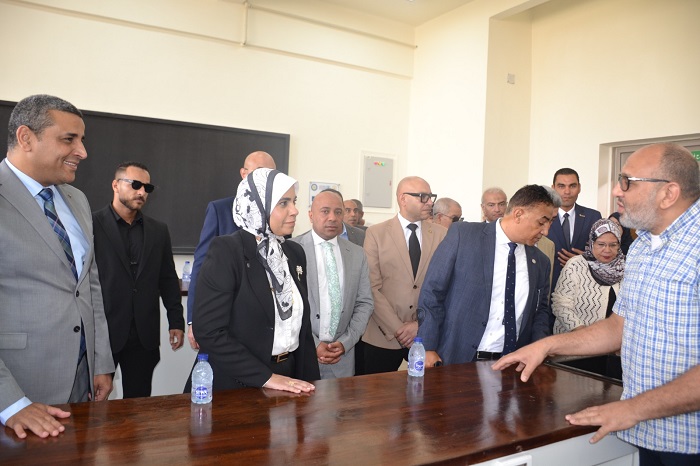
Vice President of Alexandria University Inaugurates the Renovated Physics Laboratory at the Faculty of Science (El-Shatby)
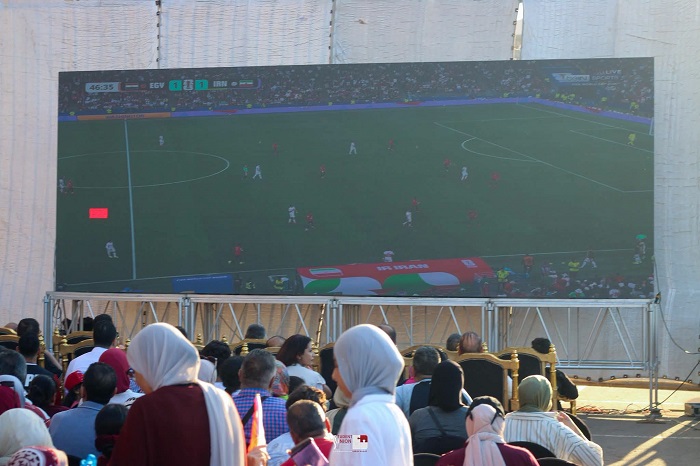
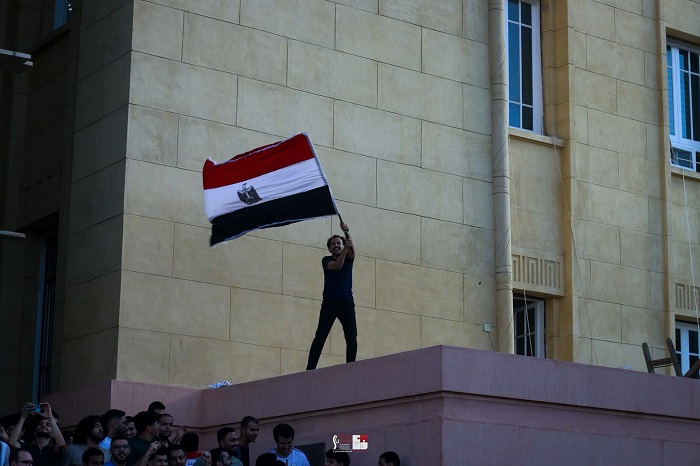
Faculty of Engineering Organizes a Fan Zone to Celebrate Egypt's Historic Qualification for the Round of 32
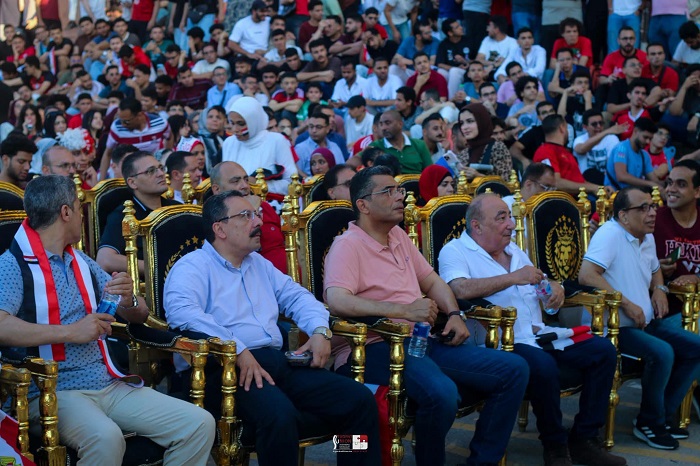
Prof. Ahmed Adel Abdel Hakim, Acting President of Alexandria University, and Prof. Walid El-Barky, Governor of the Red Sea, Prof. Wael El-Meghlany, Acting Dean of the Faculty of Engineering, joined Engineering students in celebrating the Egyptian national team's historic qualification for the Round of 32 during a Fan Zone event organized by the Faculty's Student Union to watch the Egypt–Iran match. The event was held in a patriotic atmosphere filled with enthusiasm and excitement, and was attended by faculty members, administrative staff, and students' families.
Prof. Wael El-Meghlany, noted that the event reflects Alexandria University's commitment to supporting student activities and fostering an integrated university environment that promotes a sense of belonging, encourages positive engagement, and contributes to students' personal development through cultural, sports, and national activities.
The event witnessed remarkable interaction from students, who enjoyed watching the match together in a vibrant and energetic atmosphere. Feelings of pride and joy filled the venue following the Egyptian national team's official qualification for the Round of 32, marking a historic achievement that was warmly celebrated by all attendees.
Alexandria University Congratulates Faculty of Computers and Data Science Students on Two Teams Qualifying for RoboRAVE International 2026 Finals in Japan
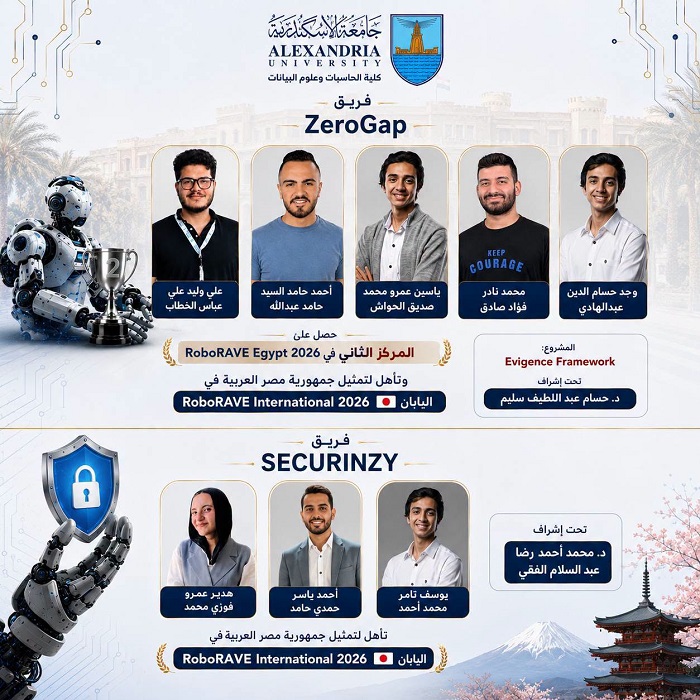
Professor Ahmed Adel Abdel Hakim, Acting President of Alexandria University, congratulated the ZeroGap and Securinzy teams from the Faculty of Computers and Data Science on their outstanding achievement in qualifying to represent the Arab Republic of Egypt at the RoboRAVE International 2026 Finals, which will be held in Japan on August 11–12, 2026.
Professor Ahmed Adel Abdel Hakim emphasized that this achievement reflects the distinguished academic excellence of Alexandria University students and their ability to compete and innovate on the international stage. He praised Team ZeroGap for securing second place nationwide at RoboRAVE Egypt 2026, alongside Team Securinzy's qualification for the international finals, highlighting the remarkable capabilities of the Faculty's students in technology, entrepreneurship, and innovation.
He further noted that Alexandria University places great emphasis on fostering innovation and entrepreneurship by providing a stimulating educational and research environment that enables students to transform their creative ideas into practical projects capable of competing regionally and internationally. This aligns with Egypt's national vision of building a knowledge- and innovation-based economy.
The Acting President also expressed his sincere wishes for both teams' success at the RoboRAVE International 2026 Finals, hoping they will achieve another global milestone that adds to Alexandria University's record of excellence and proudly raises Egypt's name on the international stage.
For her part, Professor Magda Madbouly, Acting Dean of the Faculty of Computers and Data Science, expressed her deep appreciation to the faculty members and academic supervisors of both teams, commending their dedication to mentoring and preparing the students for international competitions. She affirmed that this achievement reflects the Faculty's success in promoting a culture of creativity and innovation and stands as a testament to the strong collaboration between students, faculty members, and the Faculty administration, further enhancing Alexandria University's standing in international scientific and technological arenas.