 English
 Faculty News
Faculty of Dentistry Organizes an Awareness Seminar on “Renewing Religious Discourse and Raising Youth Awareness”
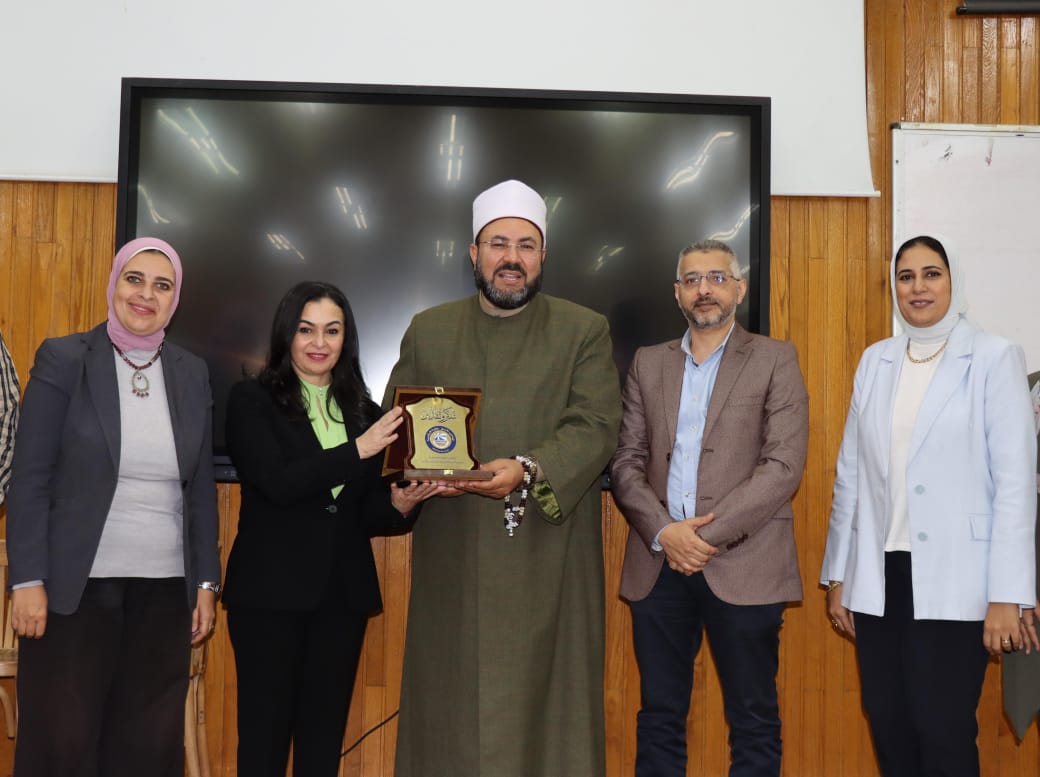
As part of Alexandria University’s community role and its commitment to promoting awareness and enlightened thinking among its students, and under the auspices of Prof. Dr. Abdelaziz Konsowa, President of the University, the Faculty of Dentistry organized yesterday an awareness seminar titled “Renewing Religious Discourse and Raising Youth Awareness.”
The seminar was delivered by His Eminence Sheikh Dr. Ibrahim El-Gammal, Director-General of Al-Azhar Preaching, and attended by Dr. Reham El-Dibani, Acting Dean of the Faculty of Dentistry; Dr. Mohamed Mamdouh Shokry, Vice Dean for Education and Student Affairs; Dr. Maha Ramzy Ta’lab, Vice Dean for Community Service and Environmental Development; Dr. Lamiaa El-Shafie, Assistant University Coordinator for the Community Issues Course; and Dr. Enas Omar, Coordinator of the Community Issues Course at the Faculty.
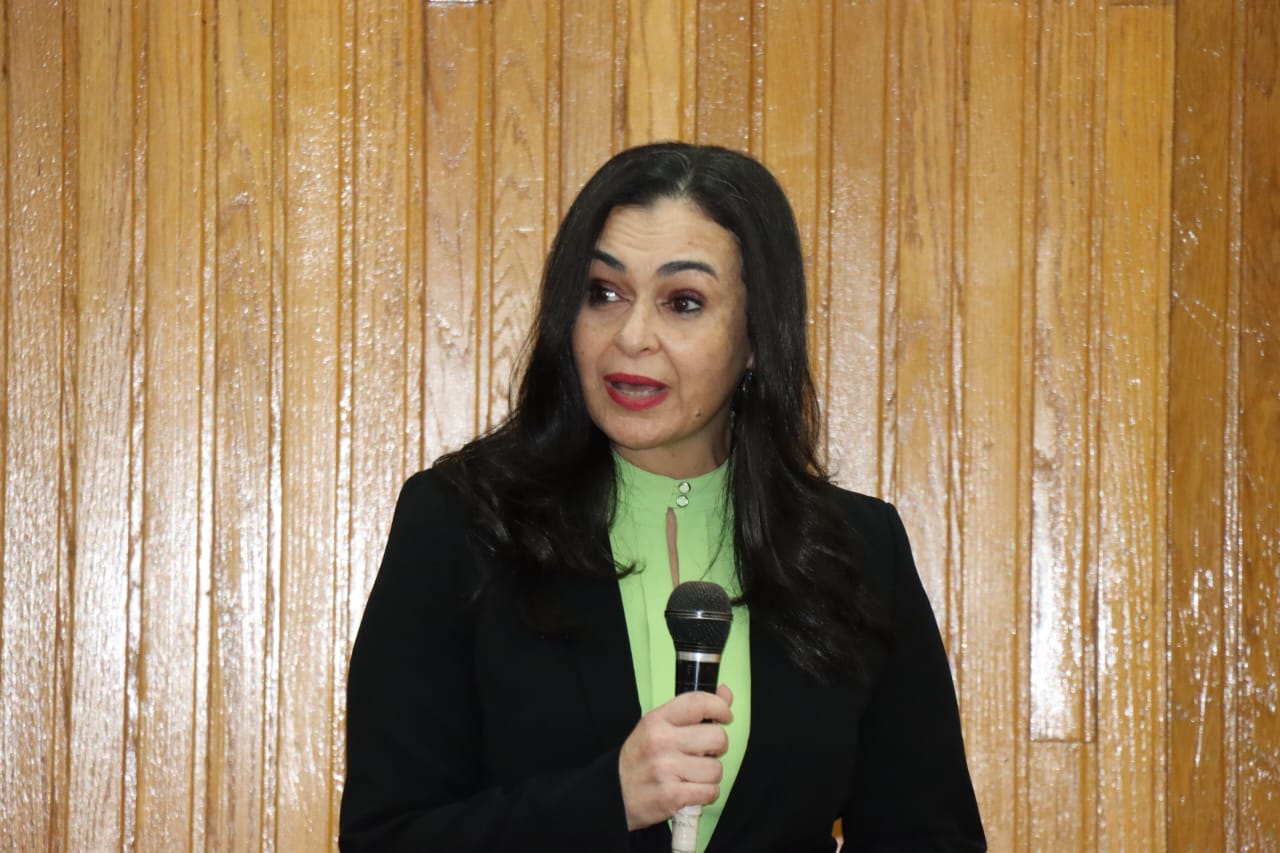
In her speech, Dr. Reham El-Dibani affirmed that organizing such events aligns with the mission of the Faculty and the University to build an aware and enlightened student personality, free from extremist ideas. She highlighted the Faculty’s dedication to continuing its awareness activities that support students and empower them to effectively contribute to community service, extending her gratitude to the University administration for its continuous support of these purposeful initiatives.
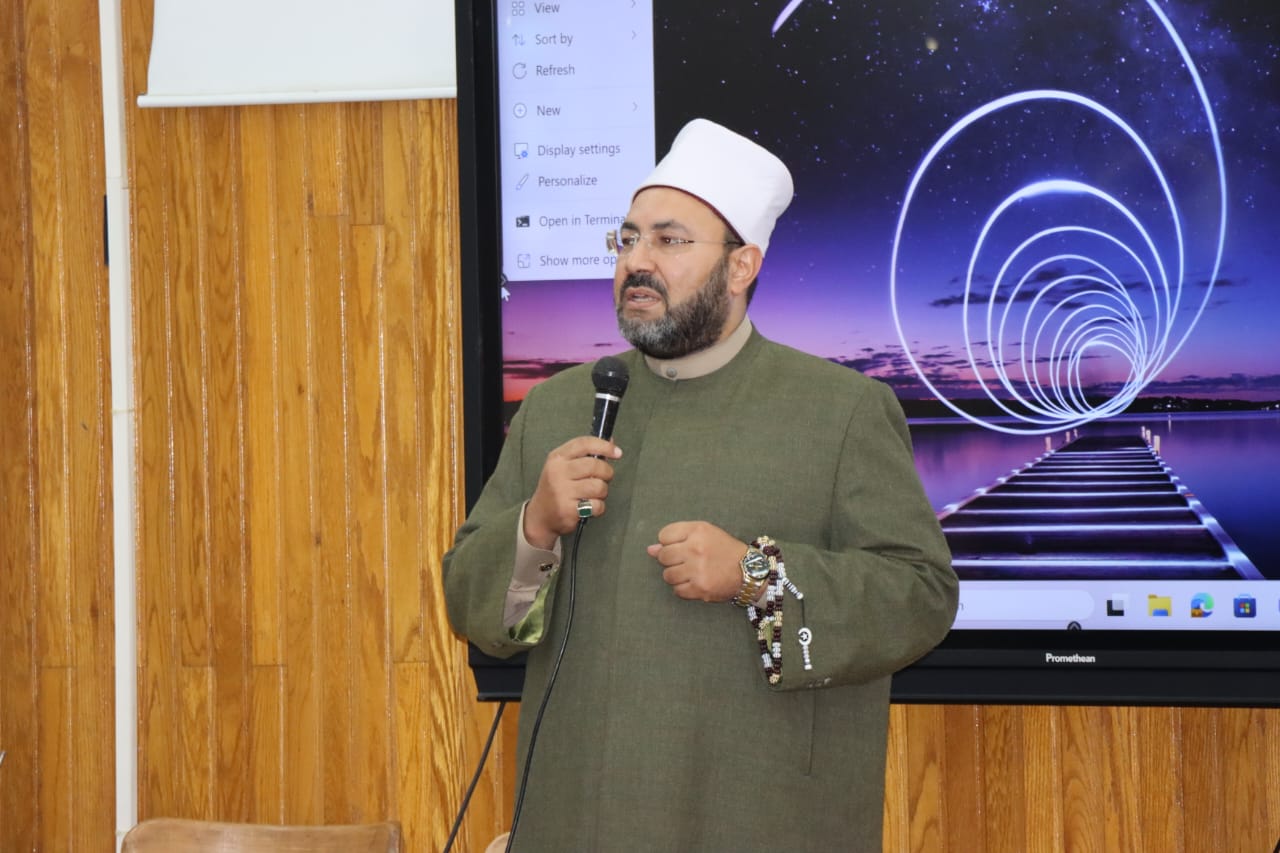
During the seminar, Sheikh Dr. Ibrahim El-Gammal addressed the importance of renewing religious discourse and its role in reinforcing sound thinking and protecting young people from misconceptions. He urged students to uphold morals and noble values, draw closer to God, and choose good role models. He also warned against the dangers of external intellectual invasion and its negative impact on society, emphasizing the need to verify information and refer to knowledgeable scholars and Al-Azhar institutions to seek accurate understanding.
At the end of the seminar, students posed a number of questions and religious inquiries, all of which were answered. The Faculty administration also honored Dr. Ibrahim El-Gammal in appreciation of his participation and his efforts in spreading awareness and promoting enlightened thinking among university students.

The High Institute of Public Health Organizes an Event Titled “Diabetes in the Workplace: Towards a Supportive and Healthy Environment”
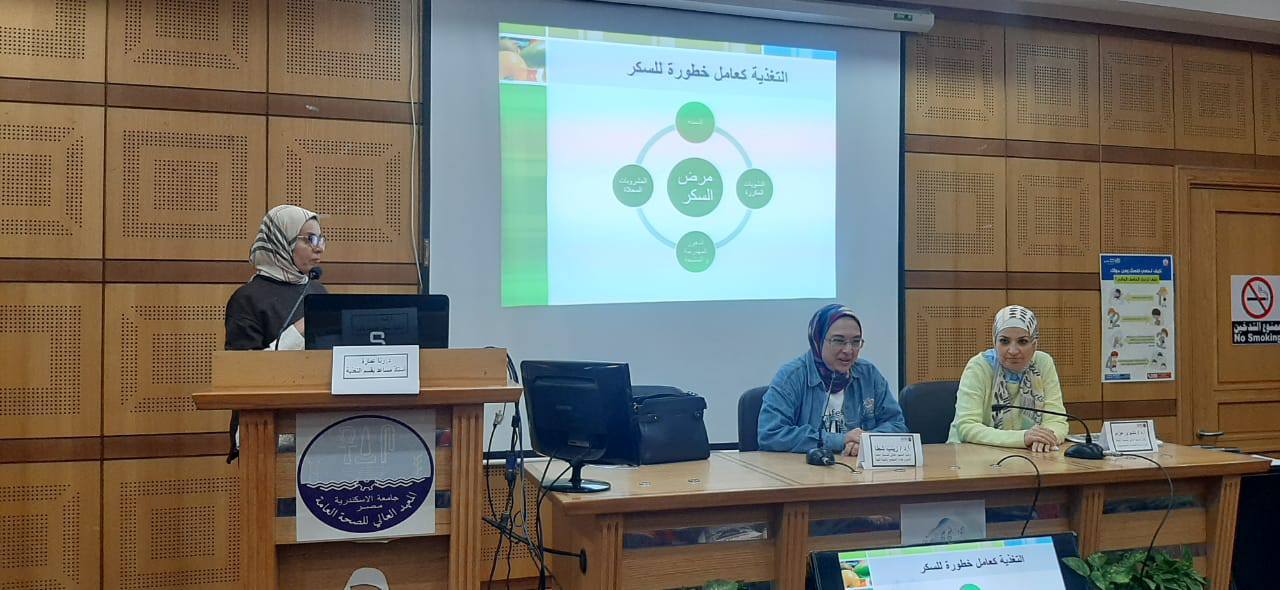
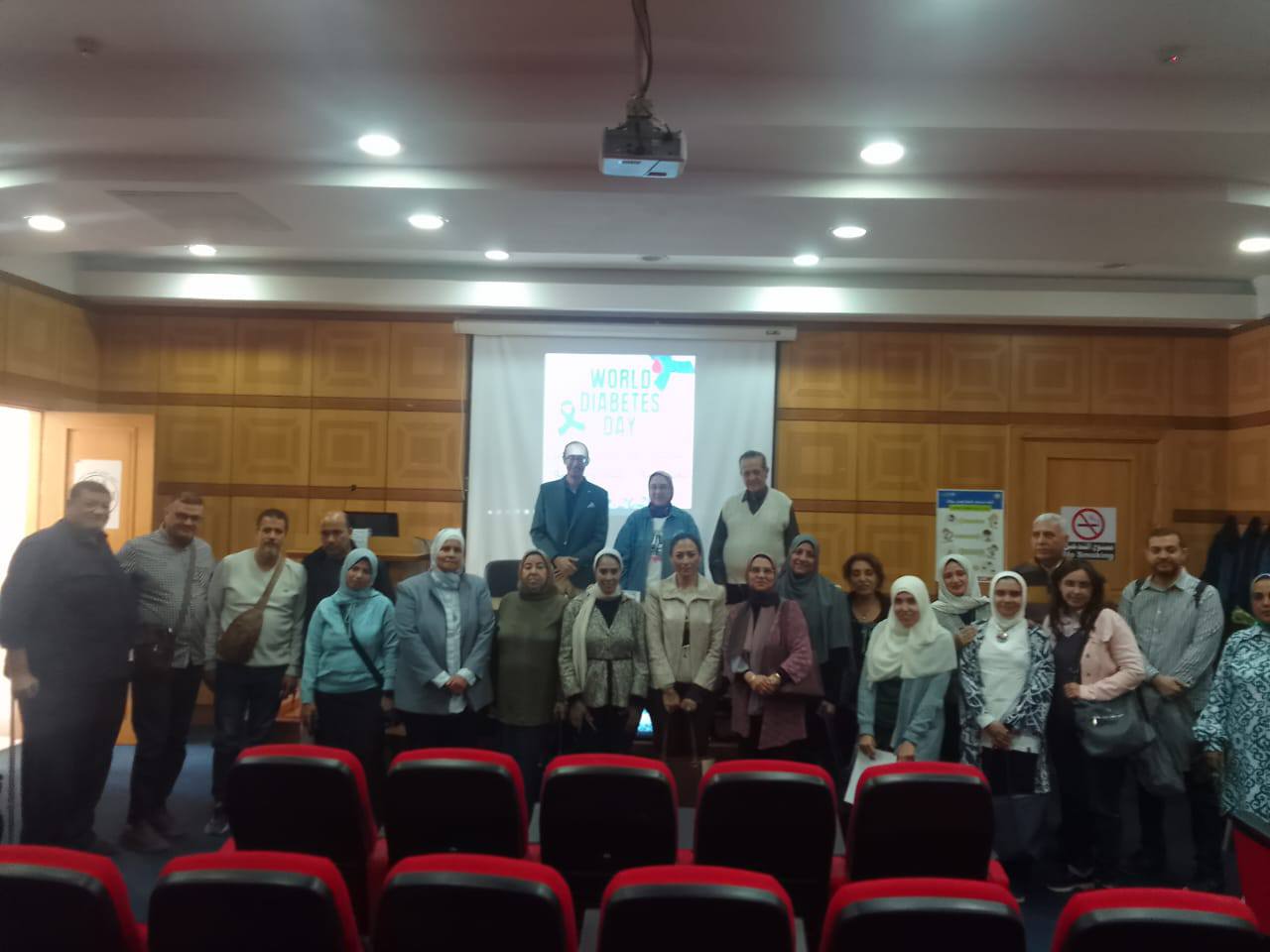
As part of Alexandria University’s commitment to promoting public health and supporting a healthy work environment for staff and students, and under the auspices of Prof. Dr. Abdelaziz Konsowa, President of the University, the High Institute of Public Health organized an extensive awareness event titled “Diabetes in the Workplace: Towards a Supportive and Healthy Environment.”
The event was attended by Prof. Dr. Heba El-Kady, Dean of the Institute; Prof. Dr. Zeinab Sheta, Vice Dean for Community Service and Environmental Development; and Prof. Dr. Nashwa Azzam, Vice Dean for Postgraduate Studies and Research, along with wide participation from Alexandria University staff members.
The program included a scientific presentation delivered by Dr. Rana Ammara, Assistant Professor of Nutrition at the Institute, in which she discussed the principles of healthy nutrition for the prevention of diabetes, appropriate dietary patterns for patients, health guidelines for managing the condition, and the importance of physical activity in prevention and control.

Dr. Mohamed Fakhry, Assistant Professor and Acting Head of the Occupational Health and Industrial Medicine Department, also delivered an interactive presentation that addressed key strategies for managing psychological stress in the workplace, its various types, and the role of adopting healthy lifestyle habits in reducing the effects of such stress.
The event further offered a range of free health services for employees, provided by the Integrated Health Clinic team at the Institute with the participation of assistant staff members. These services included random blood sugar testing, measurement of body mass index and waist circumference to determine obesity levels, blood pressure measurement, body composition analysis using the InBody device, individual medical consultations, and risk assessment for developing type 2 diabetes.
Alexandria University Team “Aquaphoton” Wins First Place at MATE ROV Egypt 2026
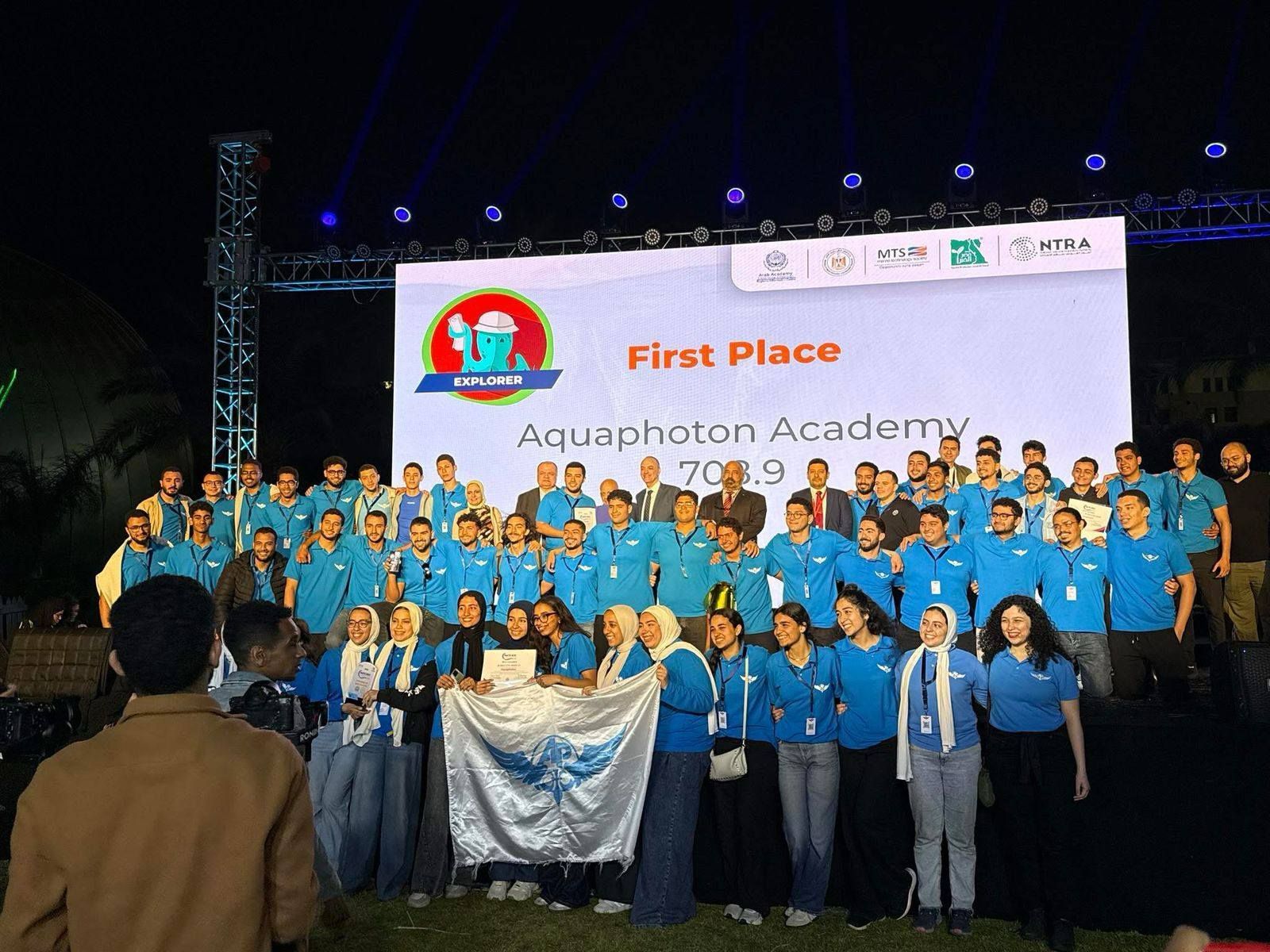
Alexandria University announced that its student team “Aquaphoton” from the Faculty of Engineering has won first place at the MATE ROV Egypt 2026 competition, held at the Arab Academy for Science, Technology and Maritime Transport. The team has qualified to represent Egypt at the upcoming international competition in Canada next June.
Prof. Dr. Ahmed Adel Abdel Hakim, Acting President of Alexandria University, praised the achievement, noting that it reflects the university’s commitment to fostering innovation and supporting student excellence in advanced engineering fields.
The team, consisting of 38 students, received four awards, including Best Computer Vision and Image Processing, Best ROV Design, Best Mission Performance Underwater, and Best Marketing Presentation.
Team leader Ibrahim Beshir stated that the next goal is to achieve first place globally, highlighting ongoing efforts to further develop ROV technologies for real-world applications in offshore industries.
The Faculty of Fine Arts Ranked 11th Globally in the Inspireli 2024/2025 Ranking
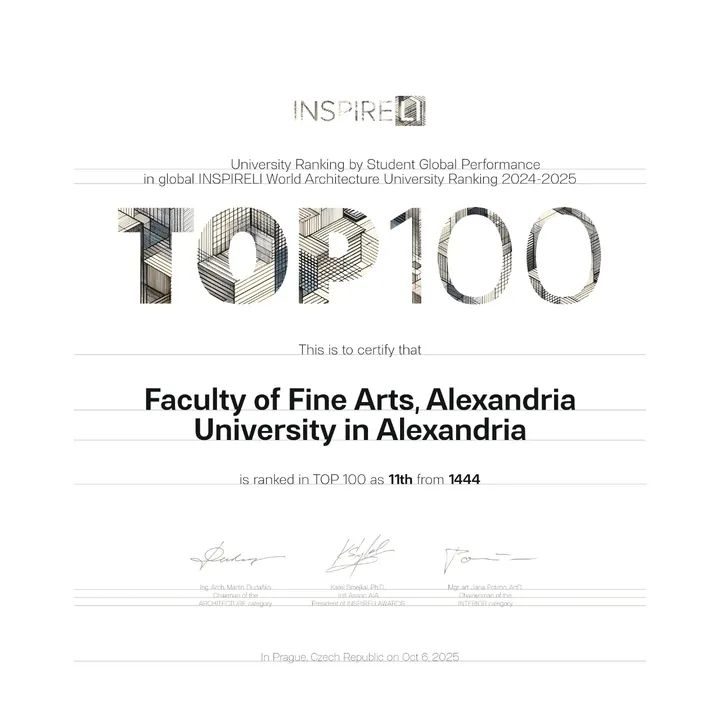
The Faculty of Fine Arts at Alexandria University has achieved a new international milestone by securing 11th place among the world's top 100 educational institutions in the overall ranking announced as part of the 10th edition of the Inspireli Awards 2024/2025, the results of which were released in recent days.
This advancement reflects the Faculty's growing global reputation in the fields of arts and architecture. The ranking is primarily based on the scale and quality of student participation in international competitions organized by Inspireli, which significantly contributed to strengthening the Faculty's position this year.
The achievement represents a continuation of a clear upward trajectory, as the Faculty had previously ranked 14th in the preceding edition before advancing to 11th place this year. This progress highlights the quality of the submitted projects, as well as the increasing competitiveness and active engagement of both students and faculty members.
In this context, Prof. Ahmed Adel Abdel Hakim, Acting President of Alexandria University, expressed his pride in this international accomplishment, emphasizing that the Faculty's success reflects the University's continuous support for academic excellence and innovation, as well as its commitment to enhancing the global presence of its faculties in major international competitions and academic forums.
For her part, Prof. Nevine Gharib, Dean of the Faculty of Fine Arts, expressed her pride in this international achievement, noting that reaching 11th place globally is the result of institutional teamwork and the collective efforts of the Faculty's academic staff and students. She added that this accomplishment serves as a strong motivation for further excellence and advancement in international rankings, reflecting the Faculty's growing regional and global standing.
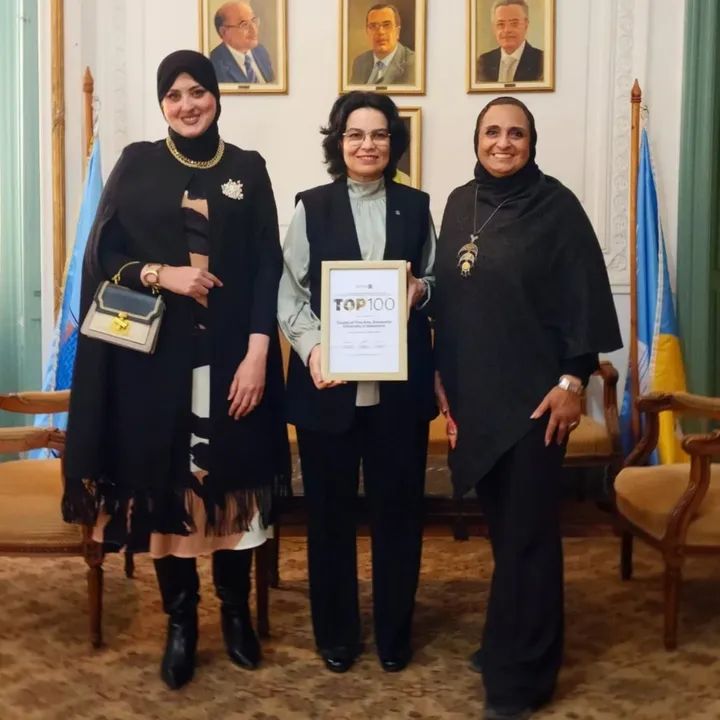
During the ceremony marking the presentation of the INSPIRELI University Ranking certificate, Dr. Eman Mounir, Jury Member of the Inspireli Awards and Assistant Professor in the Department of Interior Design, presented the certificate to Prof. Nevine Gharib, Dean of the Faculty of Fine Arts, in the presence of Dr. Hanan Sobhy, Head of the Department of Interior Design.
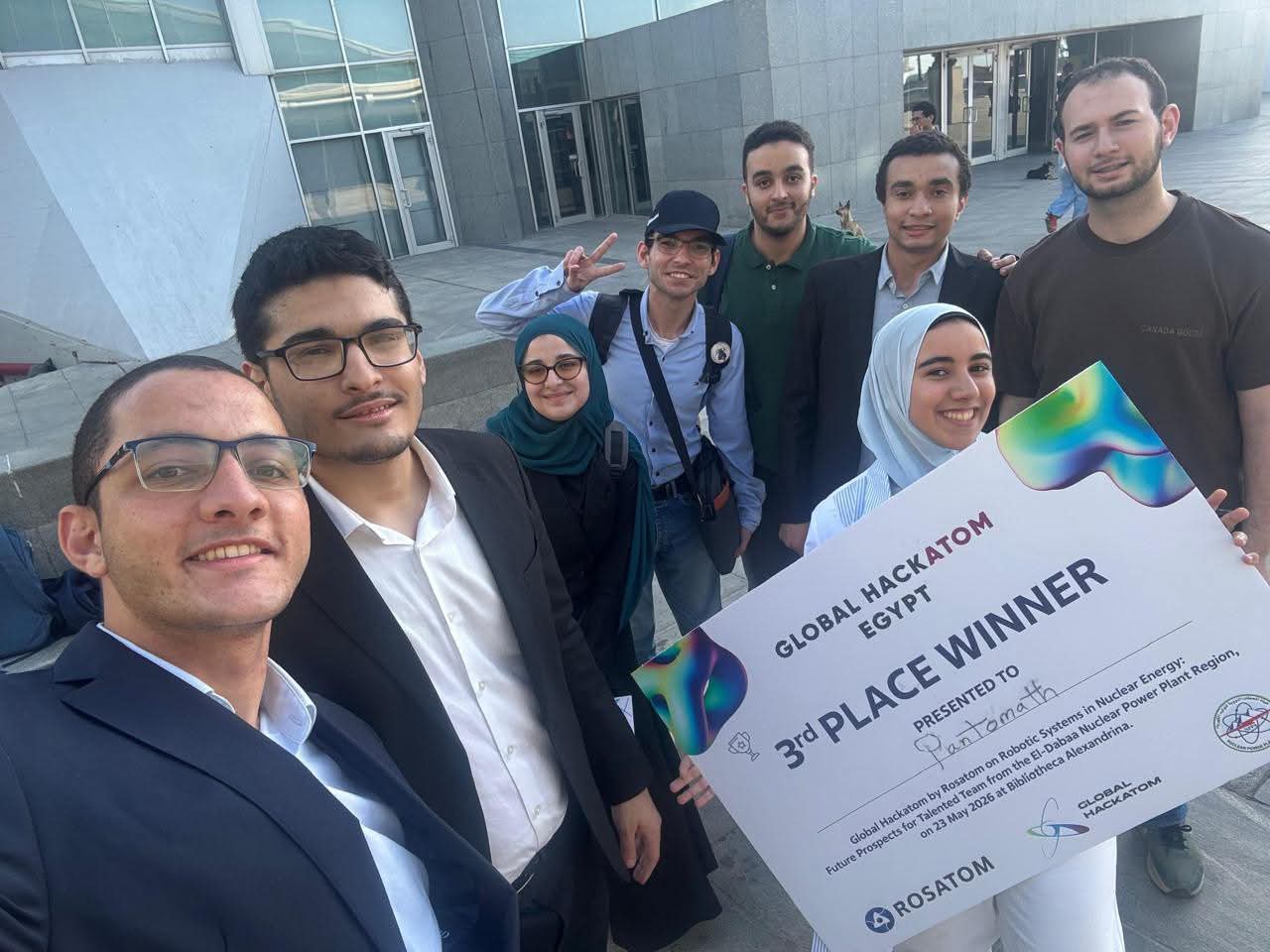
Students of the Faculty of Computers and Data Science win third place in the Global HackAtom 2026 competition
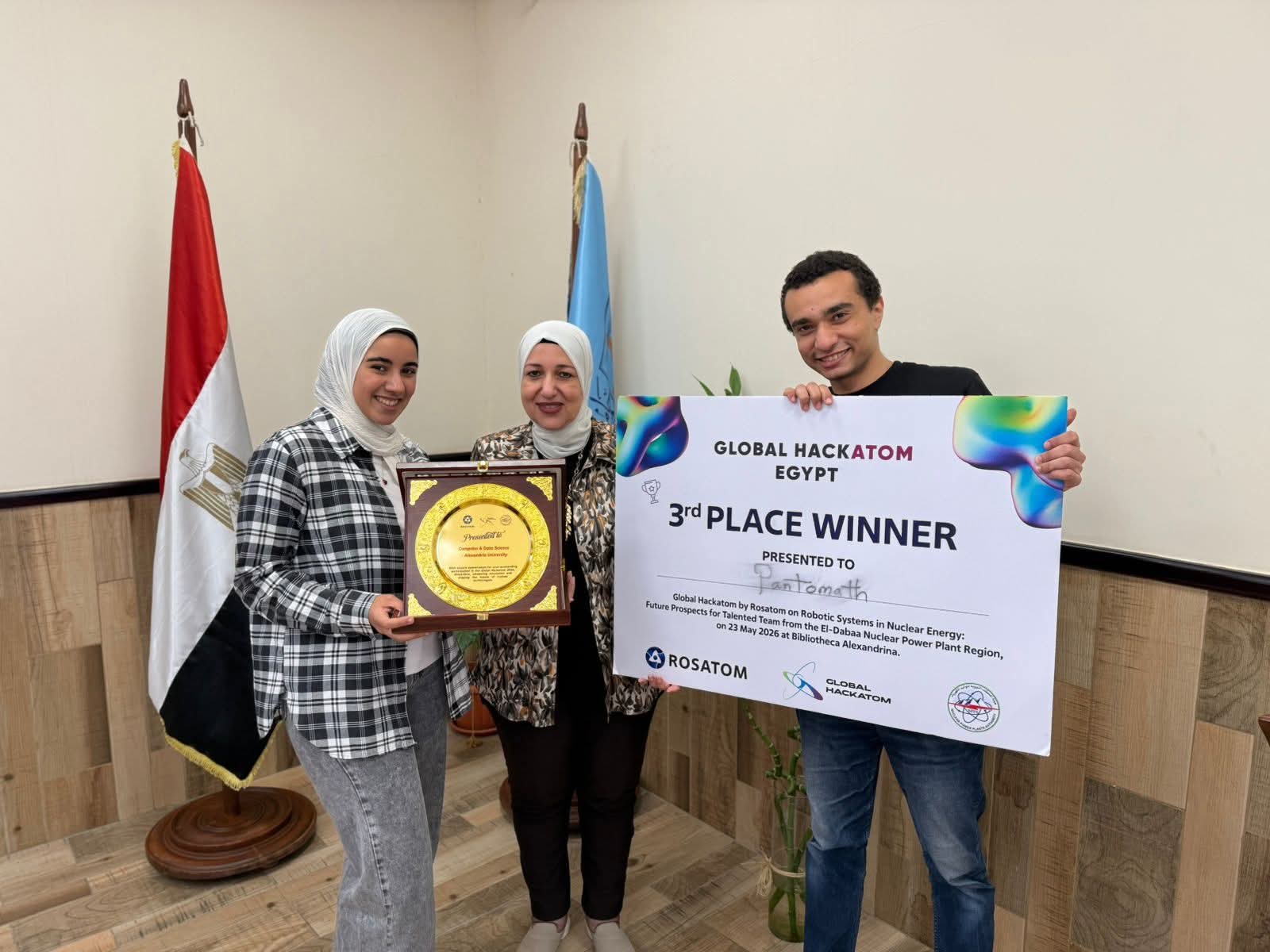
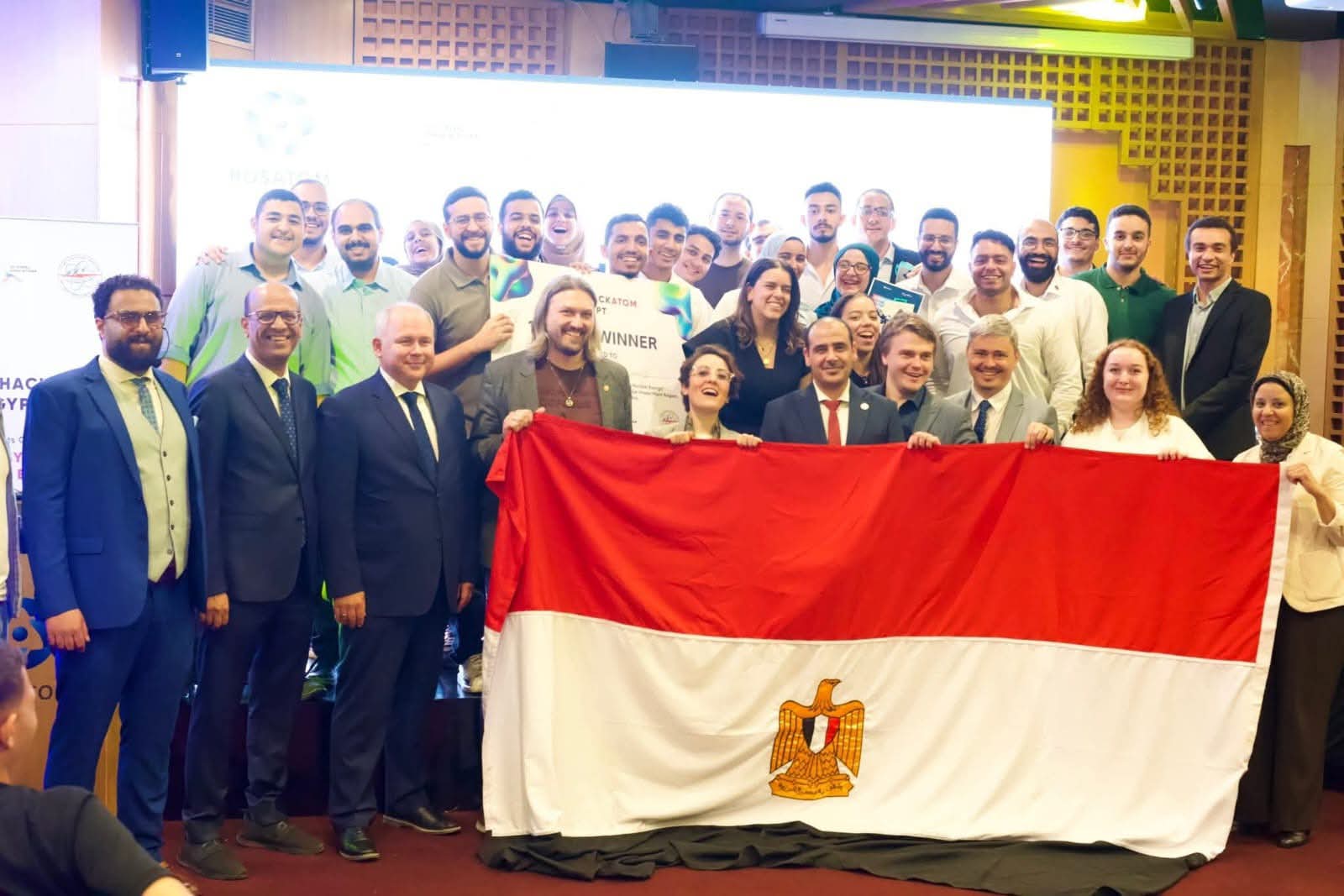
Professor Ahmed Adel Abdel Hakim, Acting President of Alexandria University, congratulated the PantoMath team from the Faculty of Computers and Data Science on winning third place in the Global HackAtom 2026 competition, which was held with the participation of several Egyptian universities. The competition was organized by the Russian company Rosatom, responsible for building the El Dabaa Nuclear Power Plant, in cooperation with the Nuclear Power Plants Authority (NPPA), at the Bibliotheca Alexandrina.
Professor Ahmed Adel Abdel Hakim praised the outstanding performance demonstrated by the students during the competition, emphasizing that this achievement reflects the distinguished scientific and innovative capabilities of Alexandria University students and their ability to compete in specialized scientific and technological forums.
He also affirmed the university’s commitment to supporting talented students and encouraging them to participate in international competitions that contribute to developing their skills and linking academic knowledge with modern practical applications, particularly in advanced technological fields, artificial intelligence, and robotic systems.
For her part, Dr. Magda Madbouly, Acting Dean of the Faculty of Computers and Data Science, stated that the team’s achievement of third place in Global HackAtom 2026 represents a remarkable accomplishment that reflects the students’ academic and technical excellence, as well as their ability to innovate and work collaboratively in advanced technological fields.
She added that the faculty is keen to provide an educational and research environment that supports creativity and innovation, while encouraging students to participate in local and international competitions that help refine their expertise and enhance their practical skills in line with labor market demands and modern technological developments.
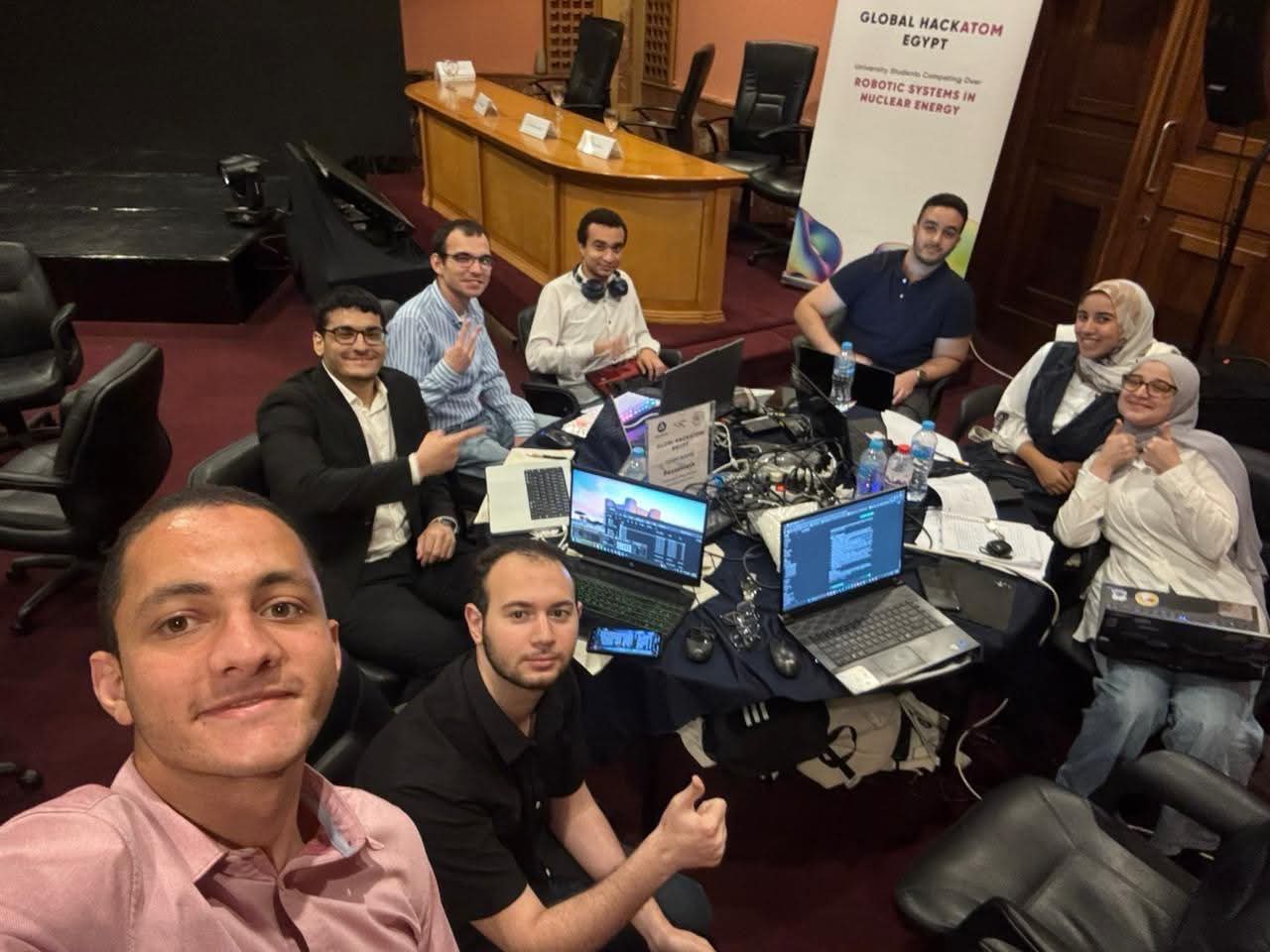
The local round of the competition was held on May 22–23, 2026, at the Bibliotheca Alexandrina, with the participation of 11 teams representing 8 Egyptian universities. Participants competed to develop innovative solutions under this year’s challenge theme, “Robotic Systems in Nuclear Energy,” by presenting practical ideas and applications supporting the use of robotics in the nuclear industry.
The PantoMath team included students: Ahmed Mohamed Ahmed Fathy Fathallah, Faris Ahmed Aboul Fotouh, Mohamed Mahmoud Naim Mohamed Rizk, Marwan Khaled Okad Abdel Aziz Ismail, Abdullah Walid Mohamed Abdel Aziz Salama, and student Rola Ehab Ali Ali El Abd, under the supervision of Teaching Assistant Amr Ibrahim Sheta and Teaching Assistant Eman Yasser Abdallah Ahmed Khalil.