 English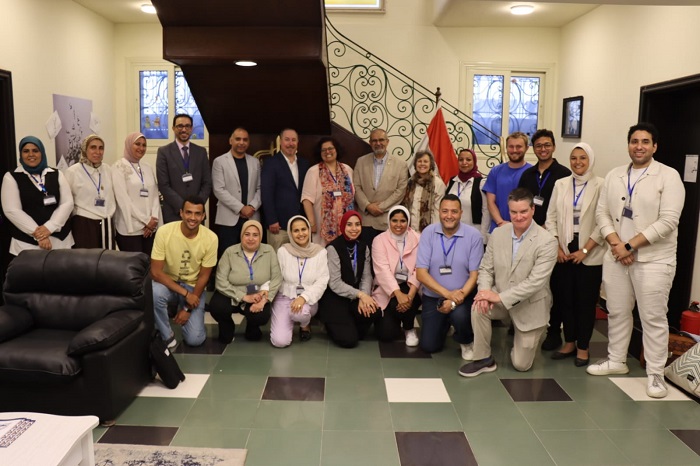
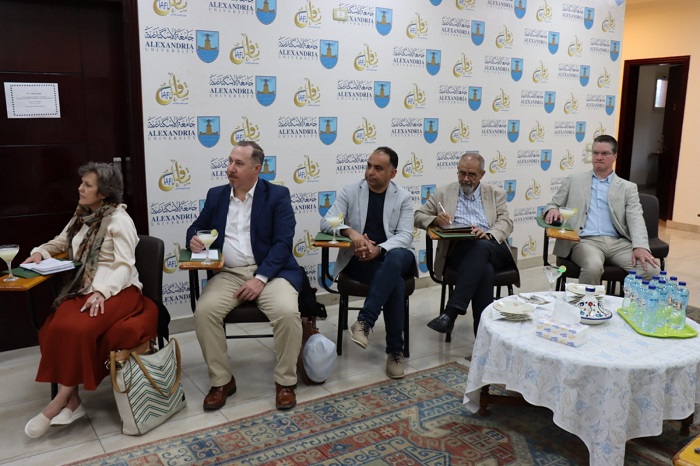
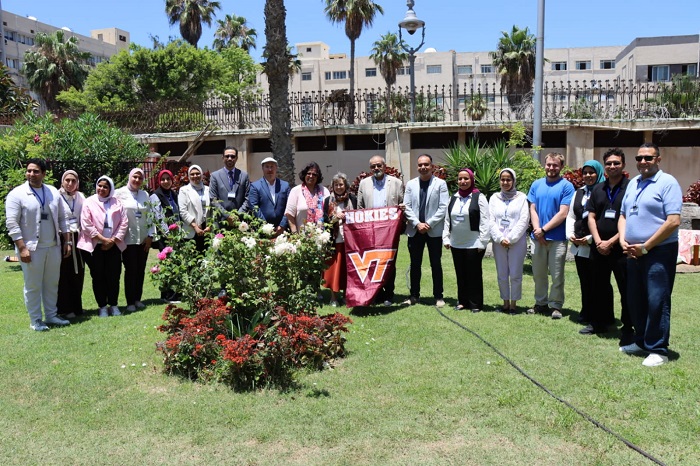
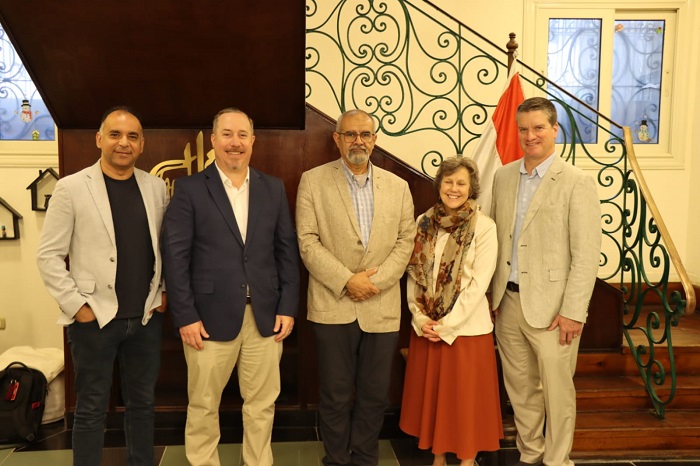
As part of efforts to strengthen academic and cultural cooperation with leading international universities, and under the auspices of Professor Ahmed Adel Abdel Hakim, Acting President of Alexandria University, a delegation from Virginia Tech University (USA) visited the Center for Teaching Arabic to Non-Native Speakers at Alexandria University to learn about the Center's experience and its role in teaching Arabic and promoting Egyptian and Arab culture among international students.
The visit was part of the American delegation's program, which included tours of a number of the University's distinguished faculties, centers, and units, as well as discussions on potential areas of cooperation that would contribute to enhancing academic and cultural ties between the two institutions.
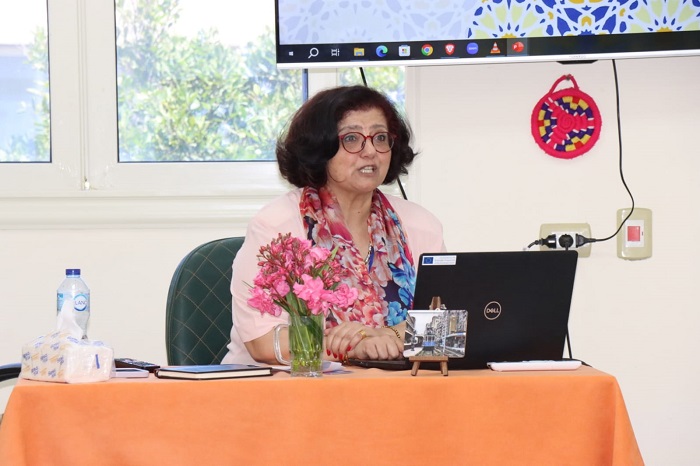
The delegation was welcomed by Dr. Lana Gobran Habib, Director of the Center, who reviewed the educational activities and programs offered by the Center to learners from various nationalities. She explained that the Center is regarded as one of the internationally recognized institutions specializing in teaching Arabic to non-native speakers. It provides integrated academic and training programs based on the latest educational methodologies and teaching approaches, contributing to the development of students' language skills and facilitating their integration into the Egyptian cultural environment.
Dr. Habib emphasized that teaching Arabic represents a bridge for civilizational and cultural communication among peoples. She noted the Center's commitment to implementing Alexandria University's vision of supporting the internationalization of education and attracting more international students from around the world, thereby enhancing the University's position as a regional and international hub of academic and cultural excellence.
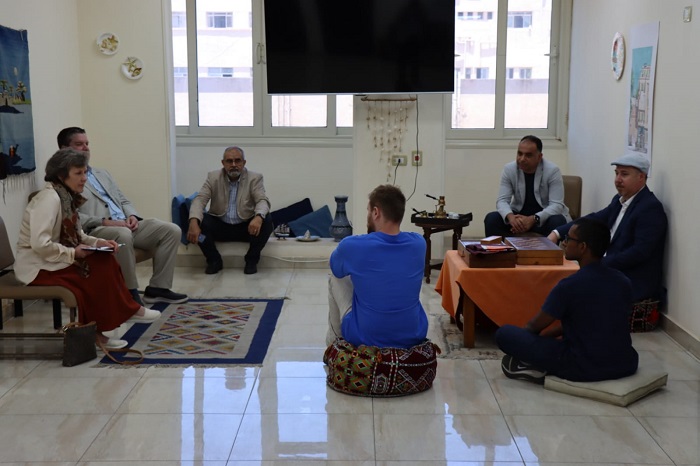
The delegation was also introduced to the educational and technological resources available at the Center, as well as the cultural activities organized for students, which aim to familiarize them with Egyptian and Arab culture and promote the values of dialogue and intercultural understanding.
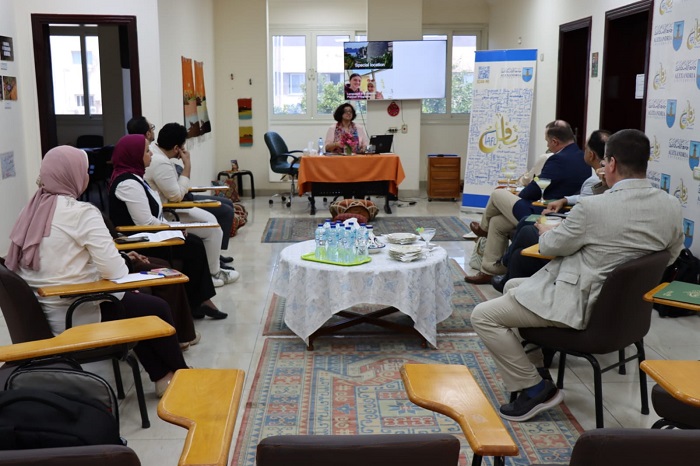
The meeting featured presentations delivered by the academic directors of the Chinese Program, the University of Copenhagen Program, the St. Petersburg University Program, and the University of Mississippi Program at the Center.
The presentations addressed the educational philosophy and objectives of each program and highlighted the diversity of educational experiences offered to students from different nationalities.
The presentations also shed light on the cultural activities accompanying the educational process, including Arabic calligraphy, Egyptian cuisine, singing, cinema and theater clubs, and other activities that help introduce students to Egyptian and Arab culture. Samples of students' testimonials were also presented, reflecting their appreciation of the positive educational and cultural experiences they had during their studies at the Center.
The delegation met with a number of American students enrolled in the intensive summer program and listened to their opinions and impressions regarding their studies at the Center, their experience of learning Arabic, and their engagement with Egyptian society.
Members of the delegation praised the Center's distinguished standards and Alexandria University's efforts in providing a comprehensive educational and cultural experience for international students. They also expressed their aspiration to expand areas of academic and cultural partnership and exchange expertise in language education and cultural exchange between the two sides.
This visit reflects the international standing enjoyed by the Center for Teaching Arabic to Non-Native Speakers and its role in supporting Alexandria University's strategy for the internationalization of education and strengthening its academic and cultural presence worldwide.
The meeting concluded with responses to the delegation members' inquiries and reaffirmation of the Center's welcome to Virginia Tech students, whether through enrollment in its various academic programs or through the design of specialized programs tailored to their academic and cultural needs.