 English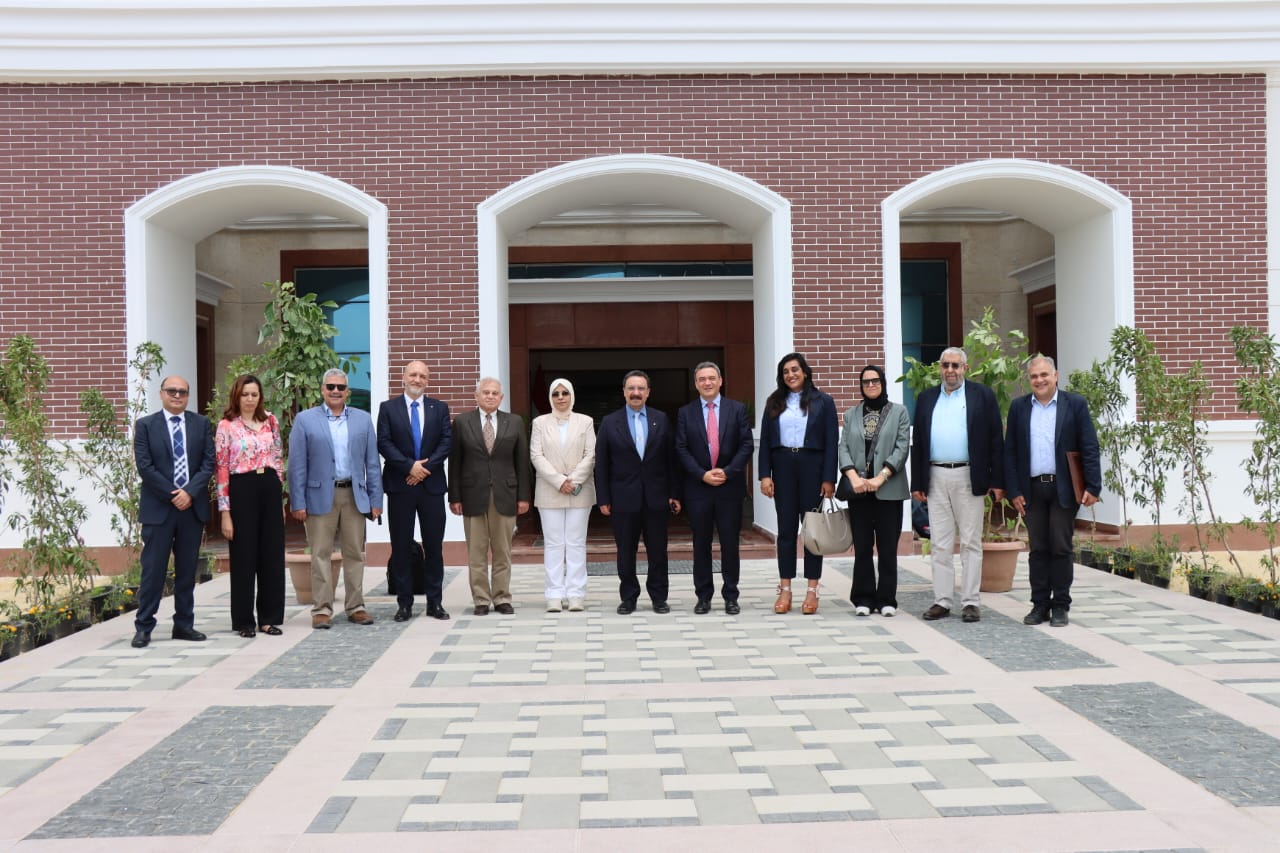
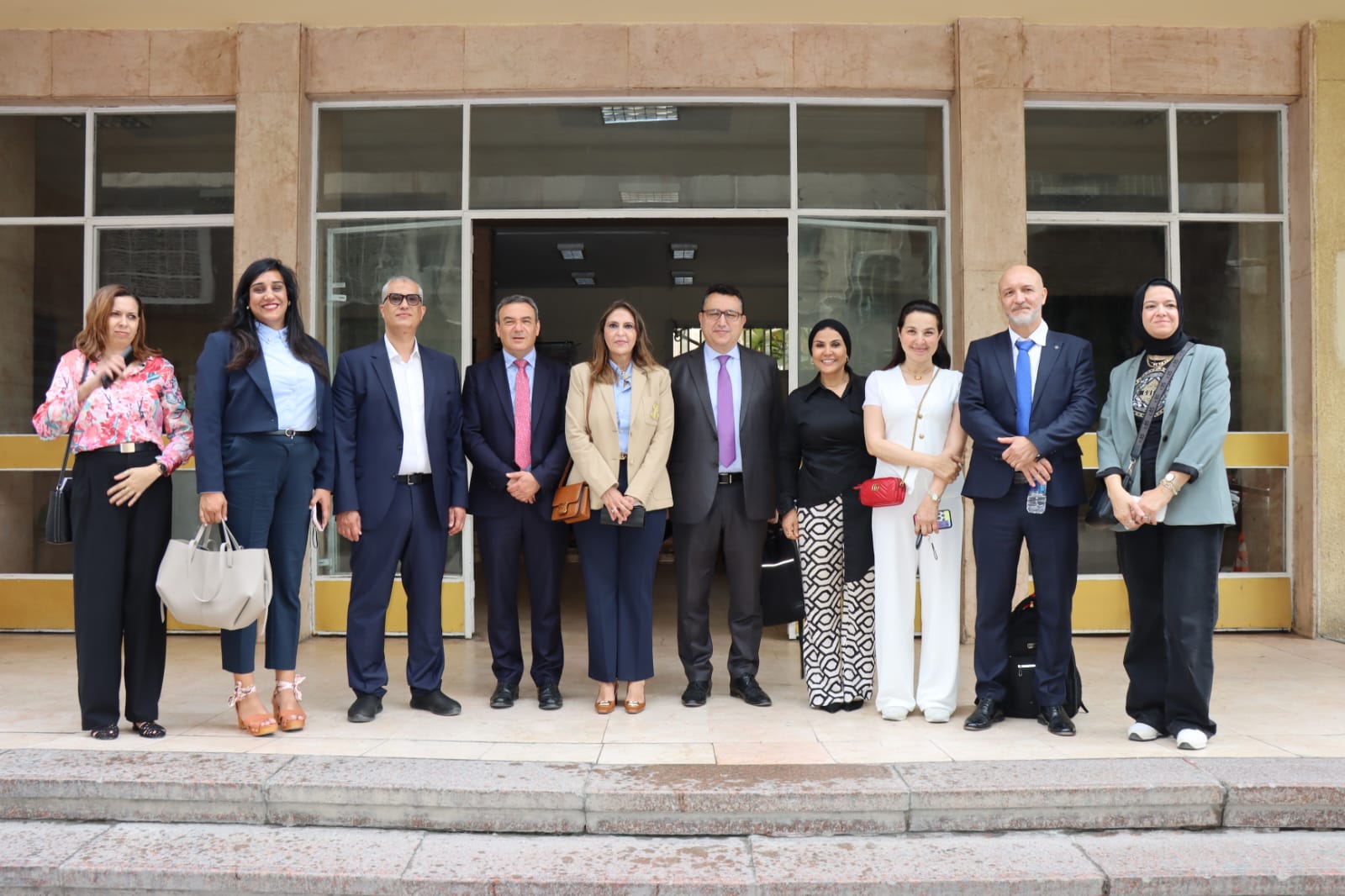
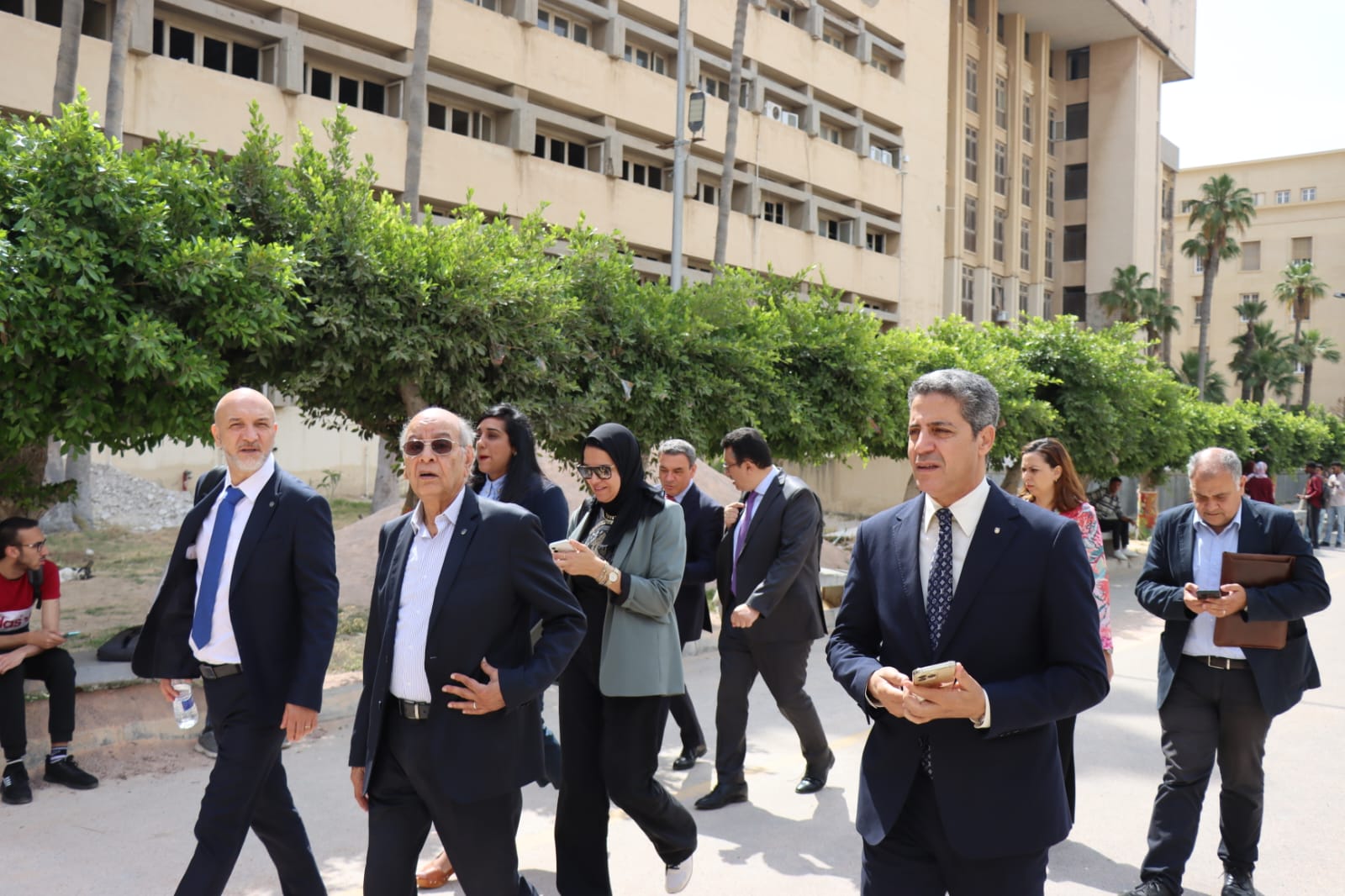
As part of the visit of the Paris-Saclay University delegation to Alexandria University to explore avenues of cooperation in innovation, technology transfer, and entrepreneurship, the French delegation continued the activities of the second day with a field tour that included the Technology Valley in Abis, as well as several advanced research laboratories, centers of excellence, and specialized facilities across the university.
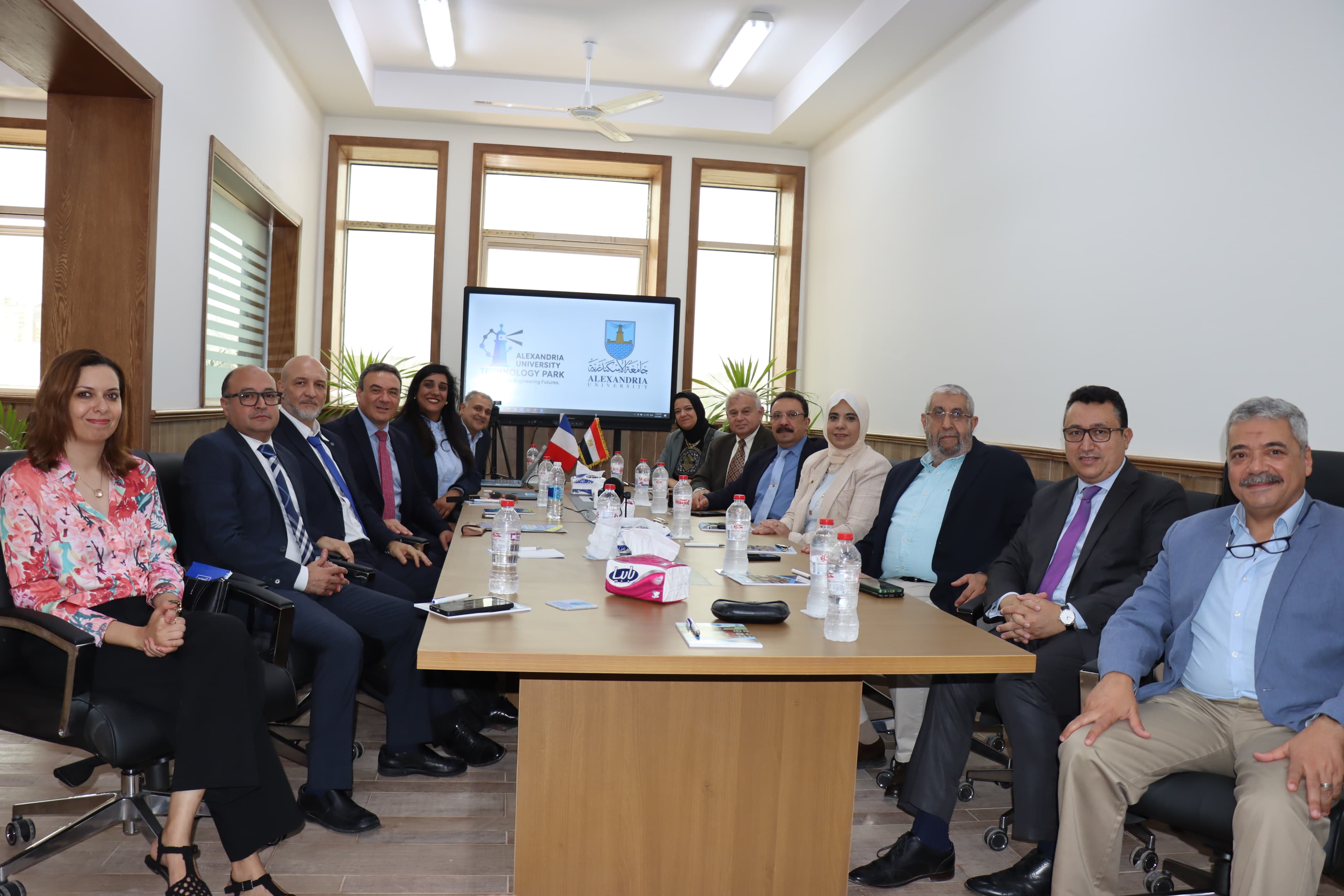
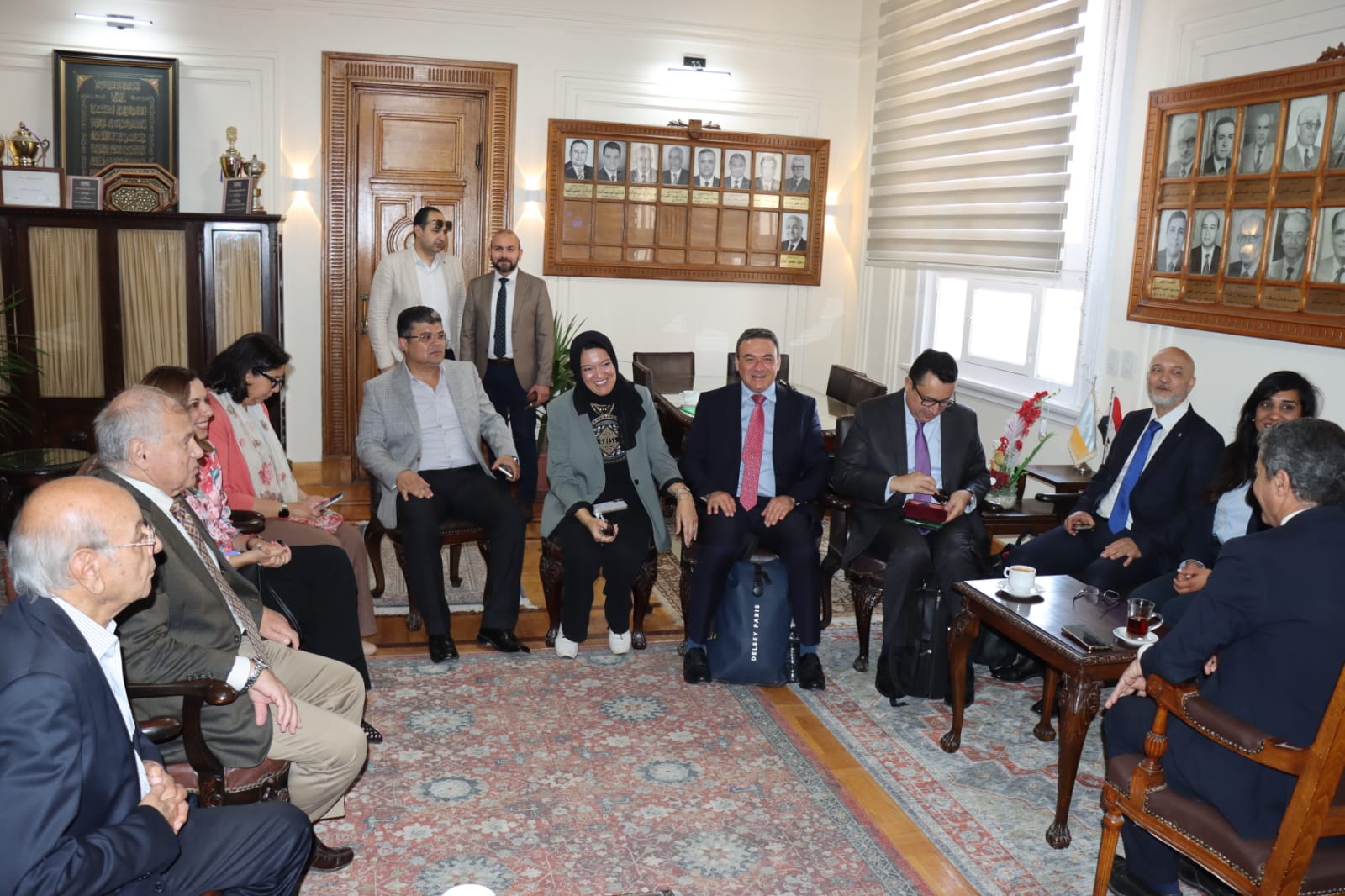
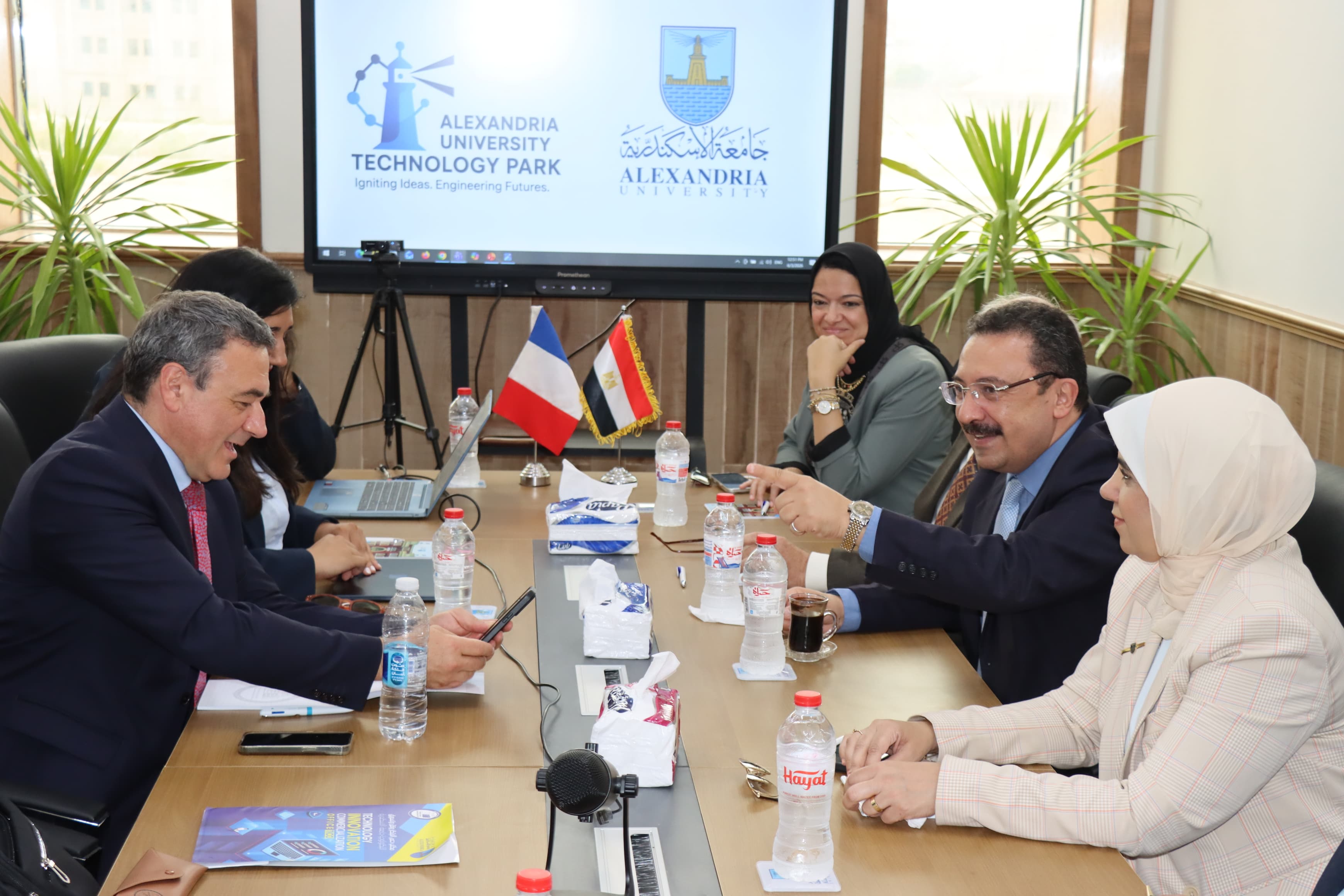
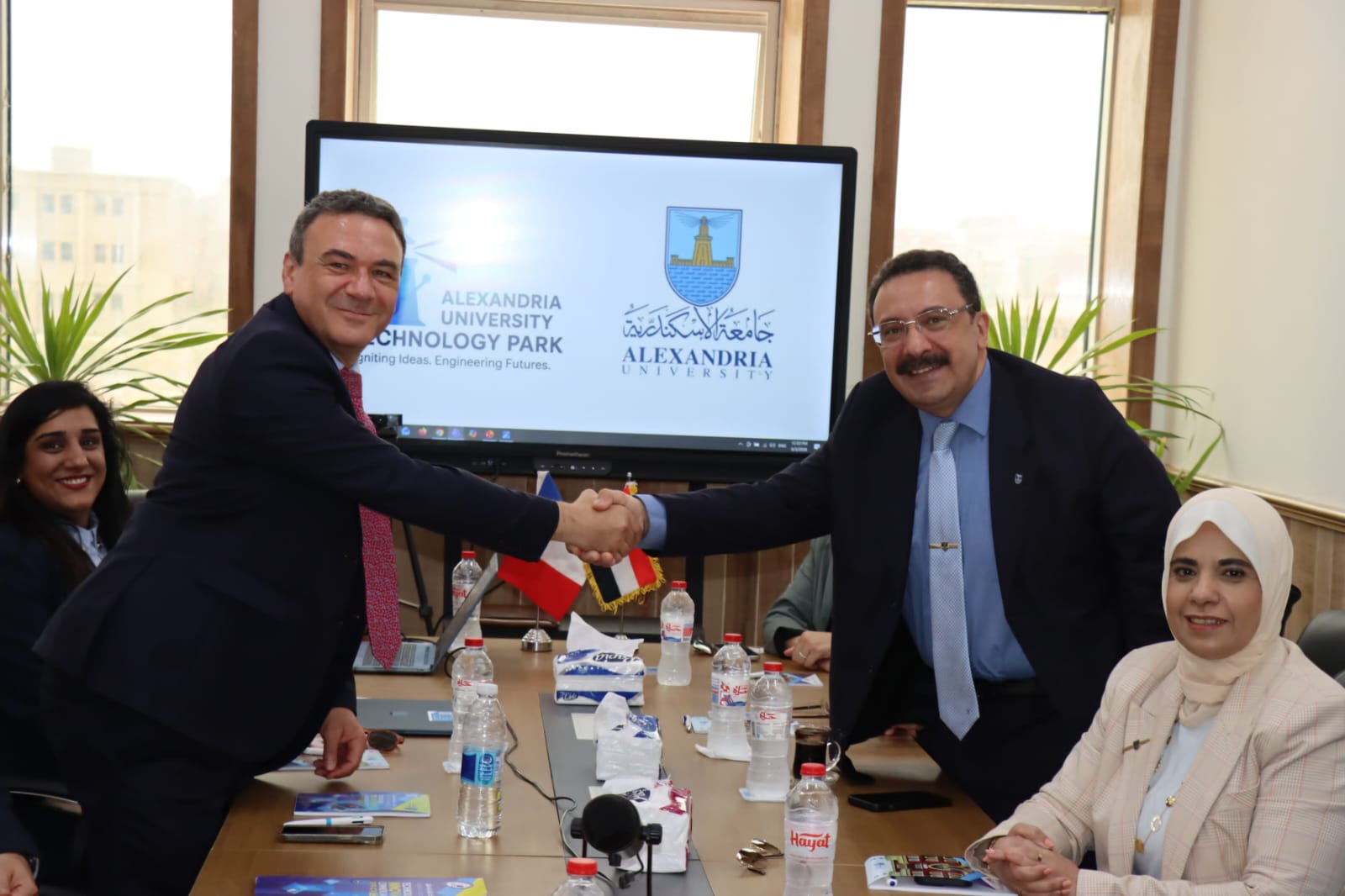
Upon arrival at the Technology Valley, the delegation was received by Professor Dr. Ahmed Adel Abdel Hakim, Acting President of Alexandria University; Professor Dr. Affaf Al-Oufy, Vice President for Community Service and Environmental Development; Professor Dr. Roshdy Zahran, former President of Alexandria University and Rapporteur of the Supreme Committee for Strategies and Policies of the Technology Valley; Professor Dr. Yasser Refaat, Advisor to the Minister of Higher Education and Scientific Research for Planning and Governance and member of the Supreme Committee for the Technology Valley; Engineer Sherif Hedayat, former Minister of Petroleum and Mineral Resources; Dr. Dina El-Giari, Executive Director of the University Projects Management Unit; and Dr. Ziad El-Sayyad, Executive Director of the Engineering Center.
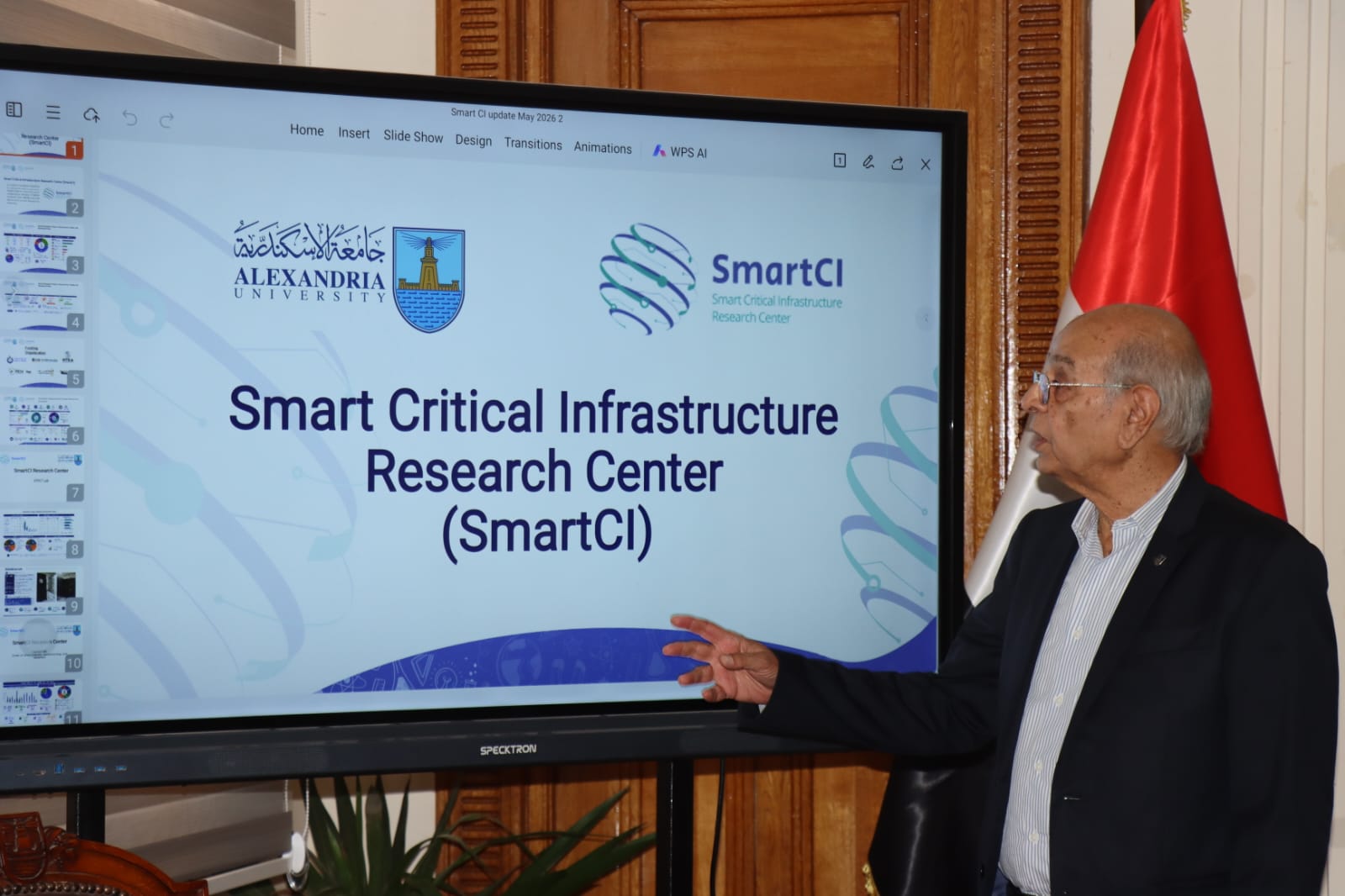
During the meeting, the strategic vision of the Technology Valley and its various components was presented, alongside discussions on proposed designs, infrastructure, and operational and governance frameworks. The discussions also explored leveraging the expertise of Paris-Saclay University in managing innovation ecosystems, technology transfer, and strengthening the link between scientific research and industry. Both sides further discussed the internal distribution of activities within the Valley to enhance the efficiency of the innovation system, support startups, and transform research outputs into economically and developmentally impactful projects.
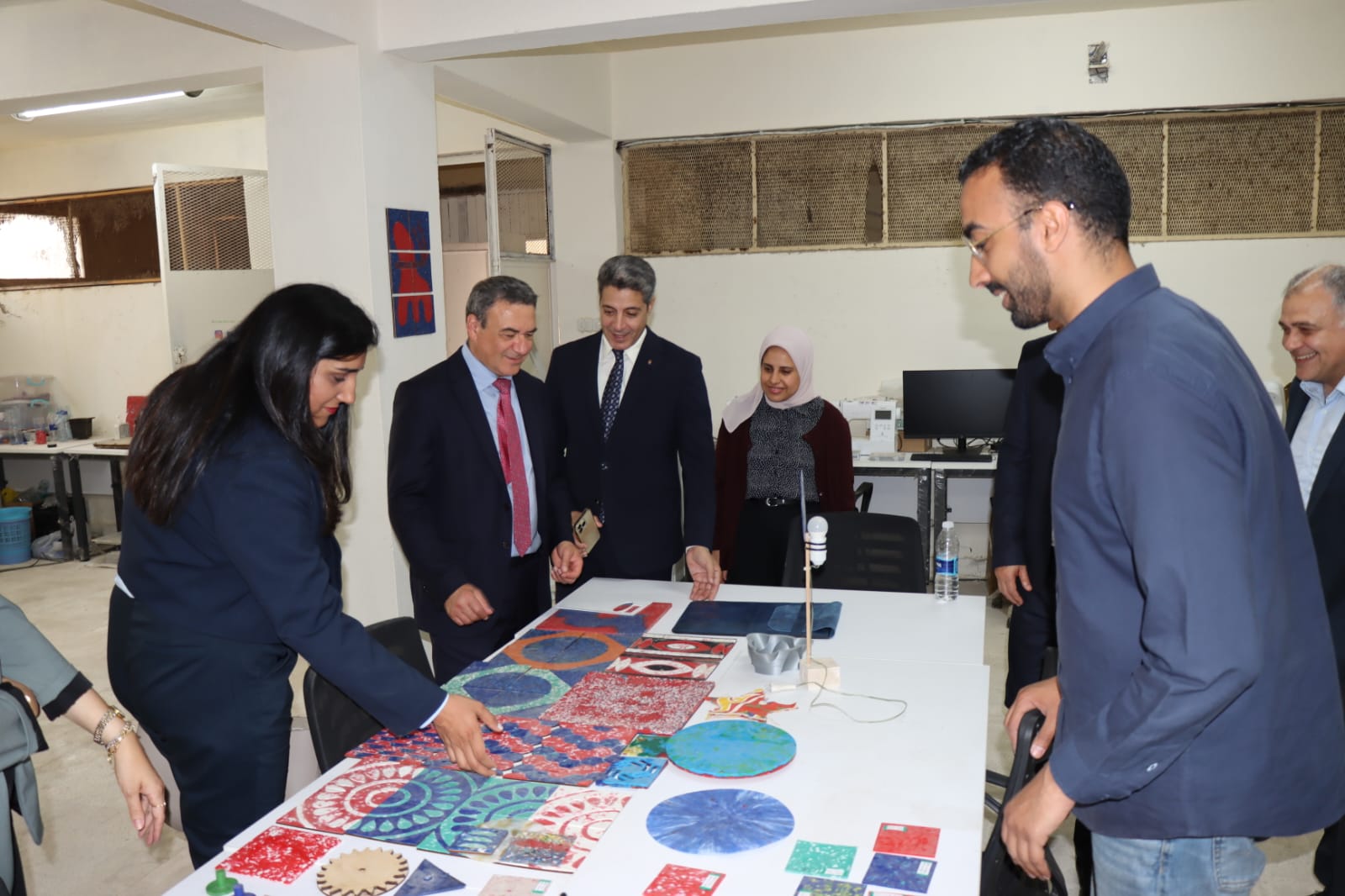
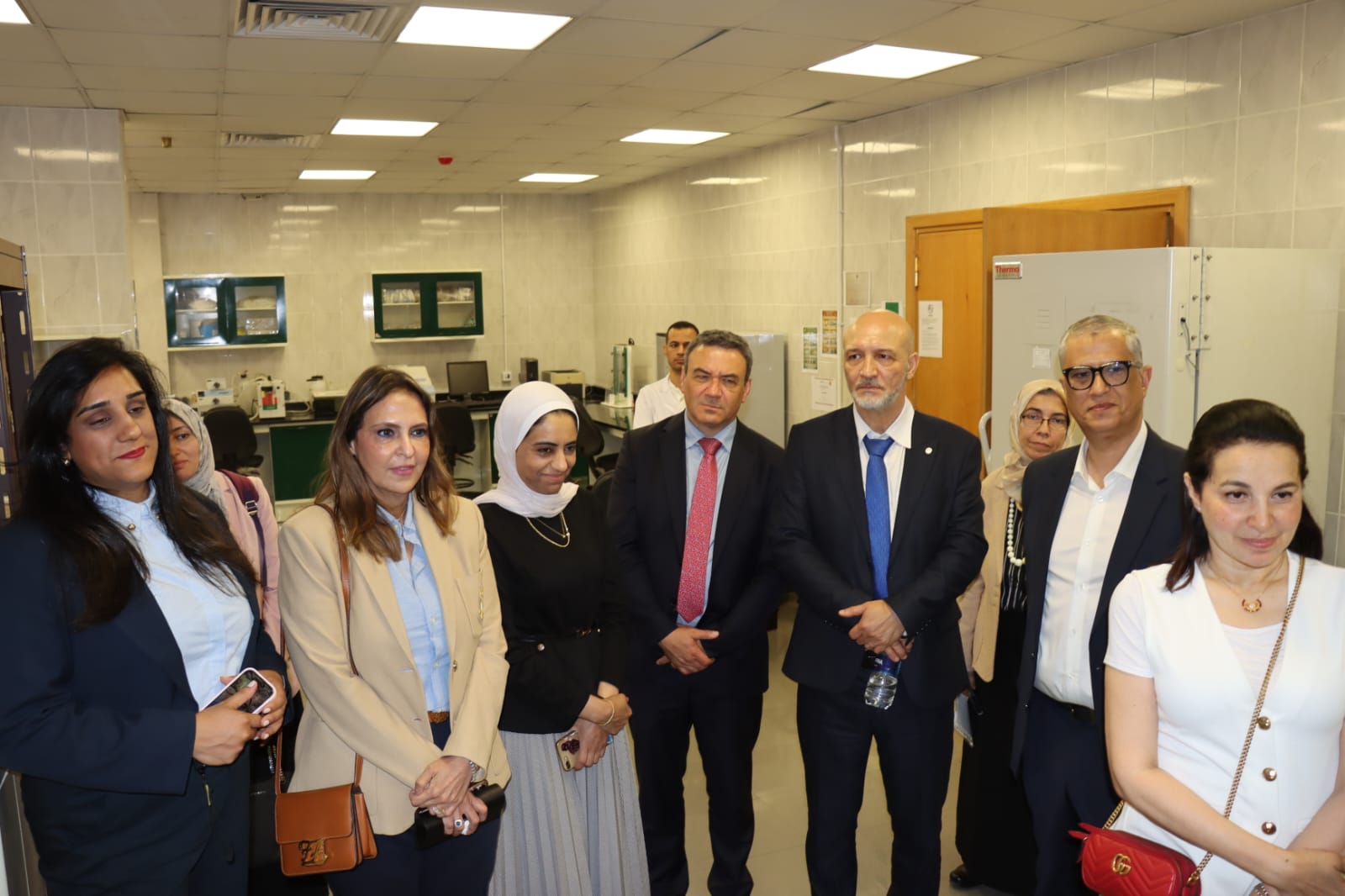
The visit also included a tour of the Faculty of Engineering, where the delegation inspected the Fab Lab dedicated to plastic recycling and was introduced to the latest technologies used in waste recycling and sustainable plastic management. The delegation also visited the Water Excellence Center at Alexandria University, learning about its research activities in water resource management and the development of sustainable applied solutions, in addition to visiting Virginia Tech laboratories.
The delegation then proceeded to the Faculty of Medicine, where they were received by Dr. Mohamed Sadeka and Dr. Gehan Gewefel, Vice Deans of the Faculty. They attended a presentation by Dr. Radwa Mahna, Director of the Medical Research Center, on the integrated research system of the center and its role in preclinical and translational research in regenerative medicine, oncology, molecular biology, and advanced biomedical applications.
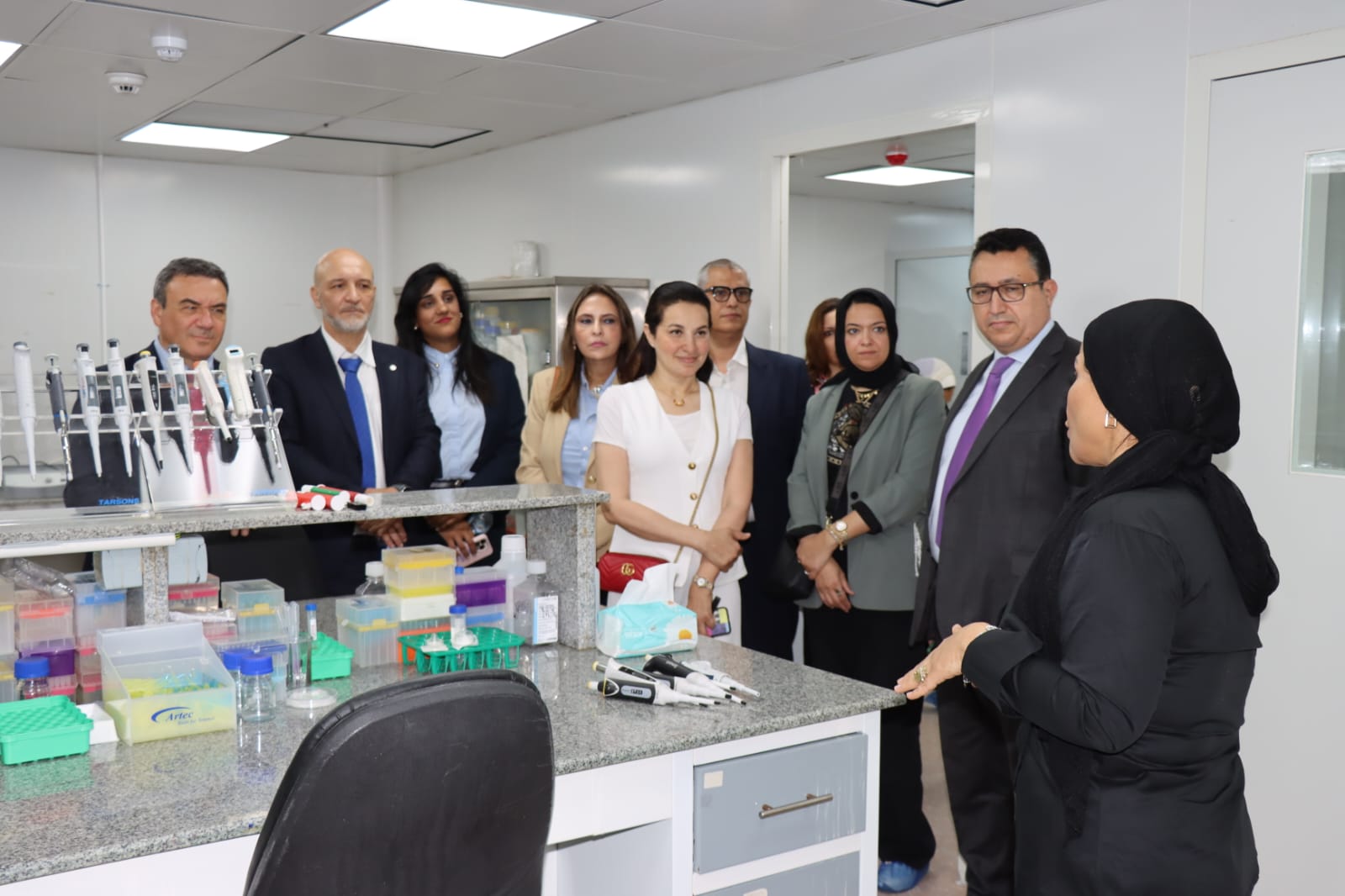
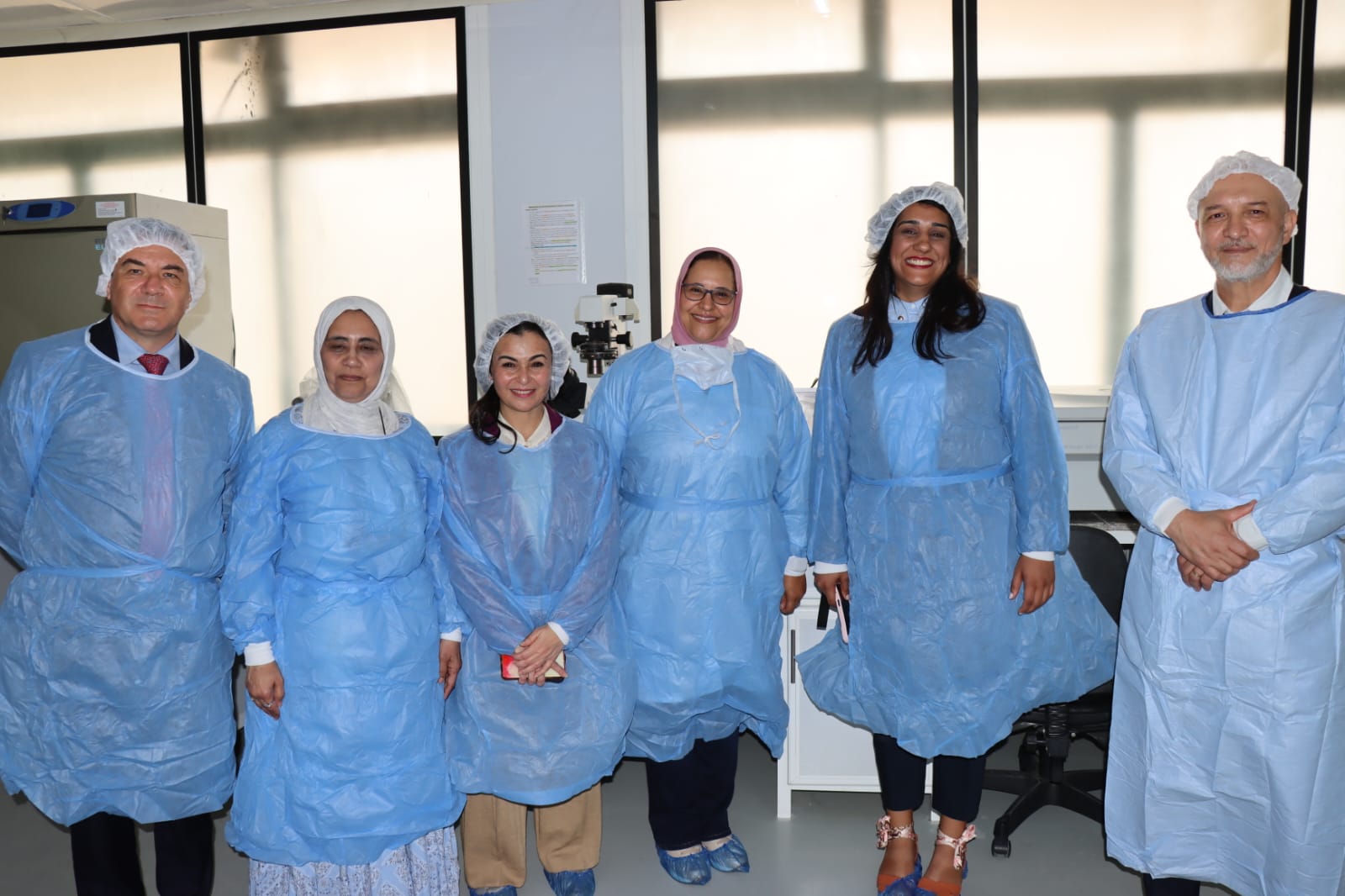
The delegation toured the Center of Excellence for Regenerative Medicine and Applications (CERRMA/MRC2), where they visited several specialized units, including cell culture laboratories, the flow cytometry unit, the animal facility equipped with advanced IVC systems, as well as the genomics lab, proteomics research lab, molecular biology lab, high-performance chromatography lab, and shared instrumentation facilities. This reflects the university’s advanced infrastructure supporting multidisciplinary biomedical research.
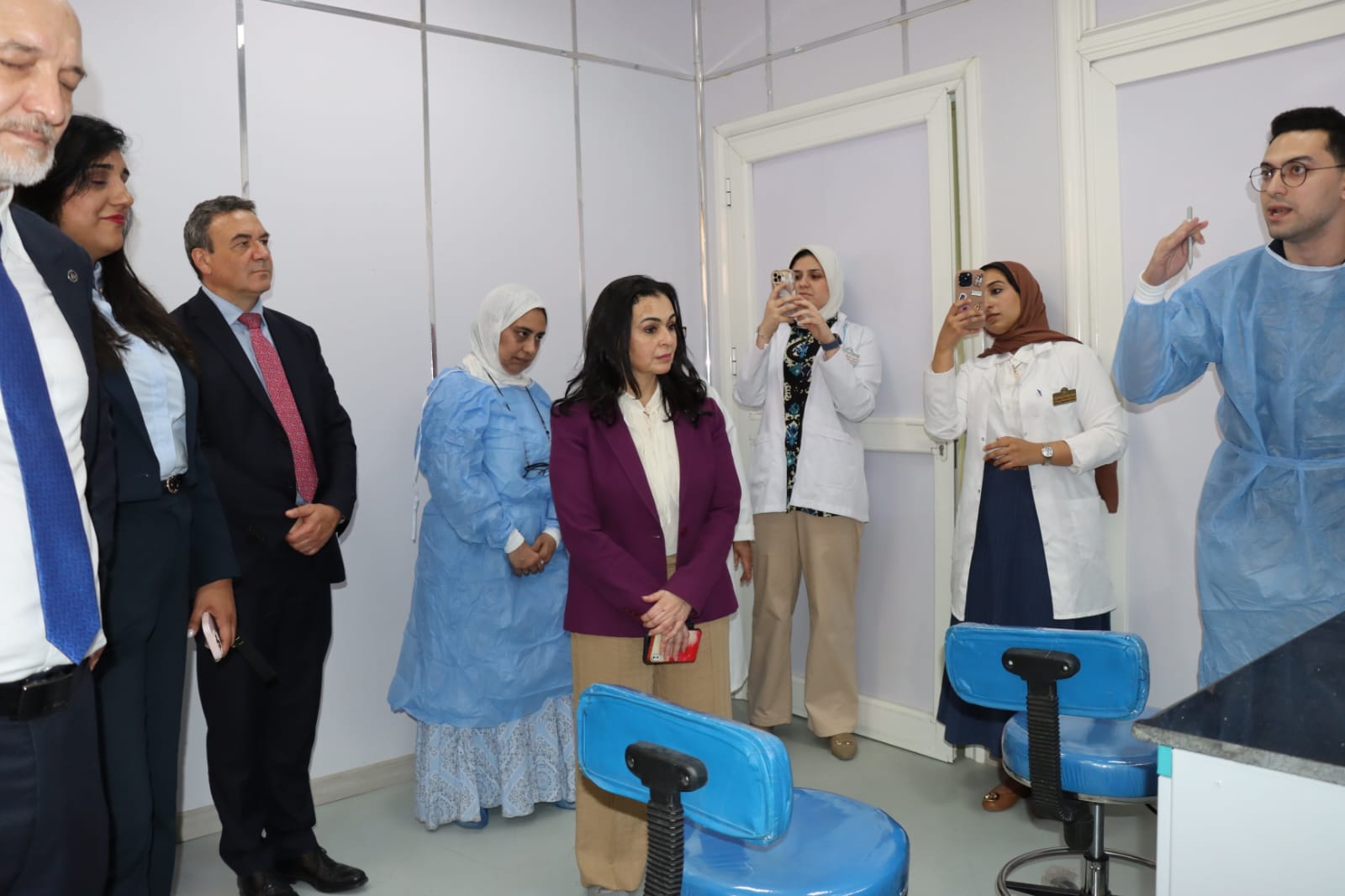
At the Faculty of Dentistry, the delegation was accompanied by Professor Dr. Rehab El-Debany, Acting Dean of the Faculty, on a tour of the Tissue Engineering Laboratories, which are among the leading centers in Egypt and the Middle East in tissue engineering and regenerative medicine research. The delegation reviewed ongoing research in stem cell technologies and the development of smart biomaterial scaffolds designed to regulate cell behavior and support tissue regeneration.
The visit also featured a live demonstration of 3D bioprinting technology using Egypt’s first bioprinter of its kind, enabling the fabrication of biological models and tissue-like structures that mimic natural tissues. Young researchers also presented their latest projects in this field.
The delegation further explored the “Organ-on-a-Chip” technology, which relies on advanced microfluidic chip design and fabrication to simulate human organ functions, enabling precise biomedical studies under physiological conditions. This represents one of the most promising directions in tissue engineering and regenerative medicine and serves as a potential alternative to animal testing.
The French delegation expressed their admiration for the advanced research infrastructure and scientific capabilities of Alexandria University, emphasizing that the laboratories and centers they visited reflect the university’s strong potential to support innovation and applied research, forming a solid foundation for strengthening future cooperation in advanced technologies, knowledge transfer, and entrepreneurship.