 English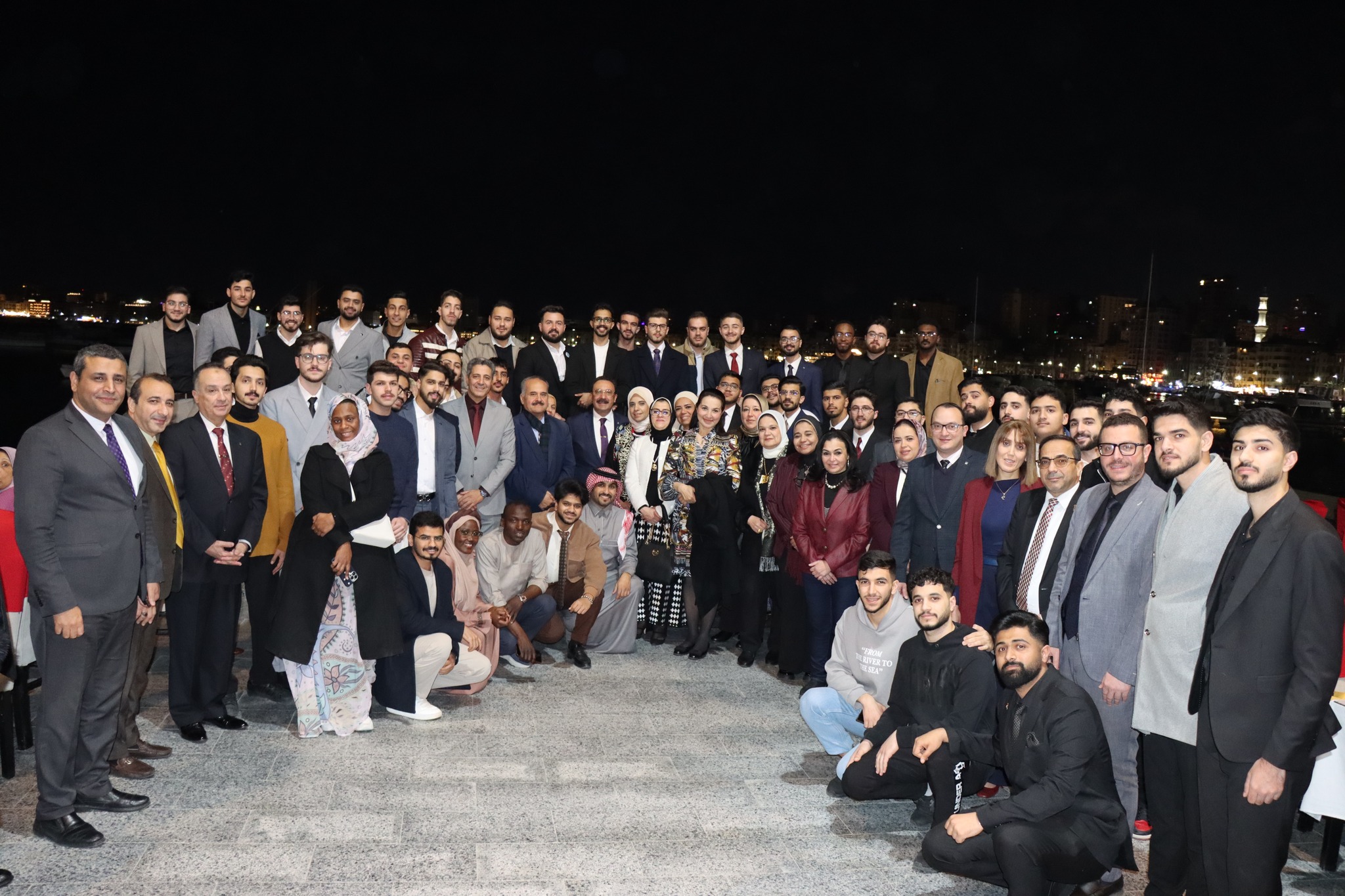
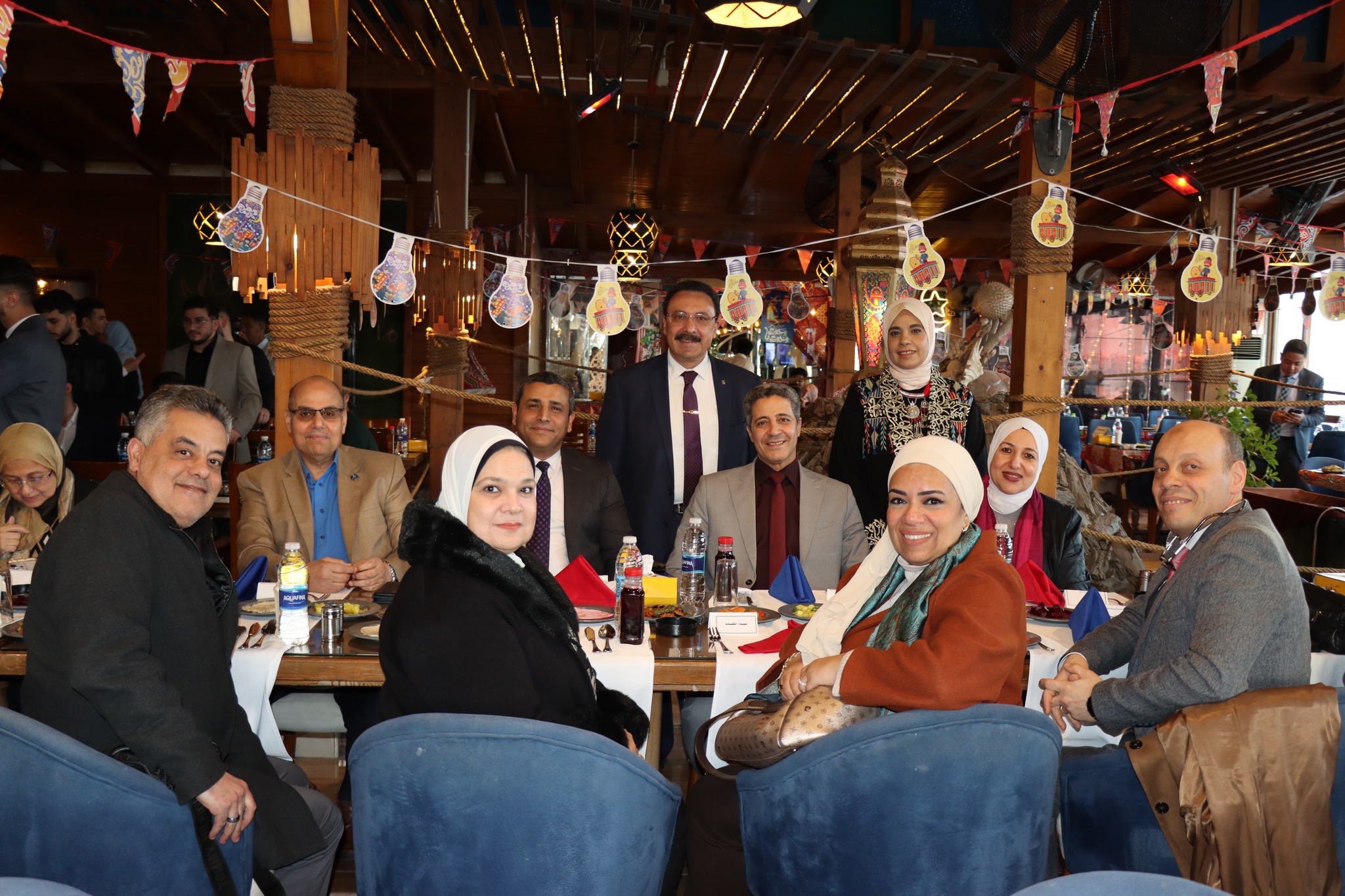
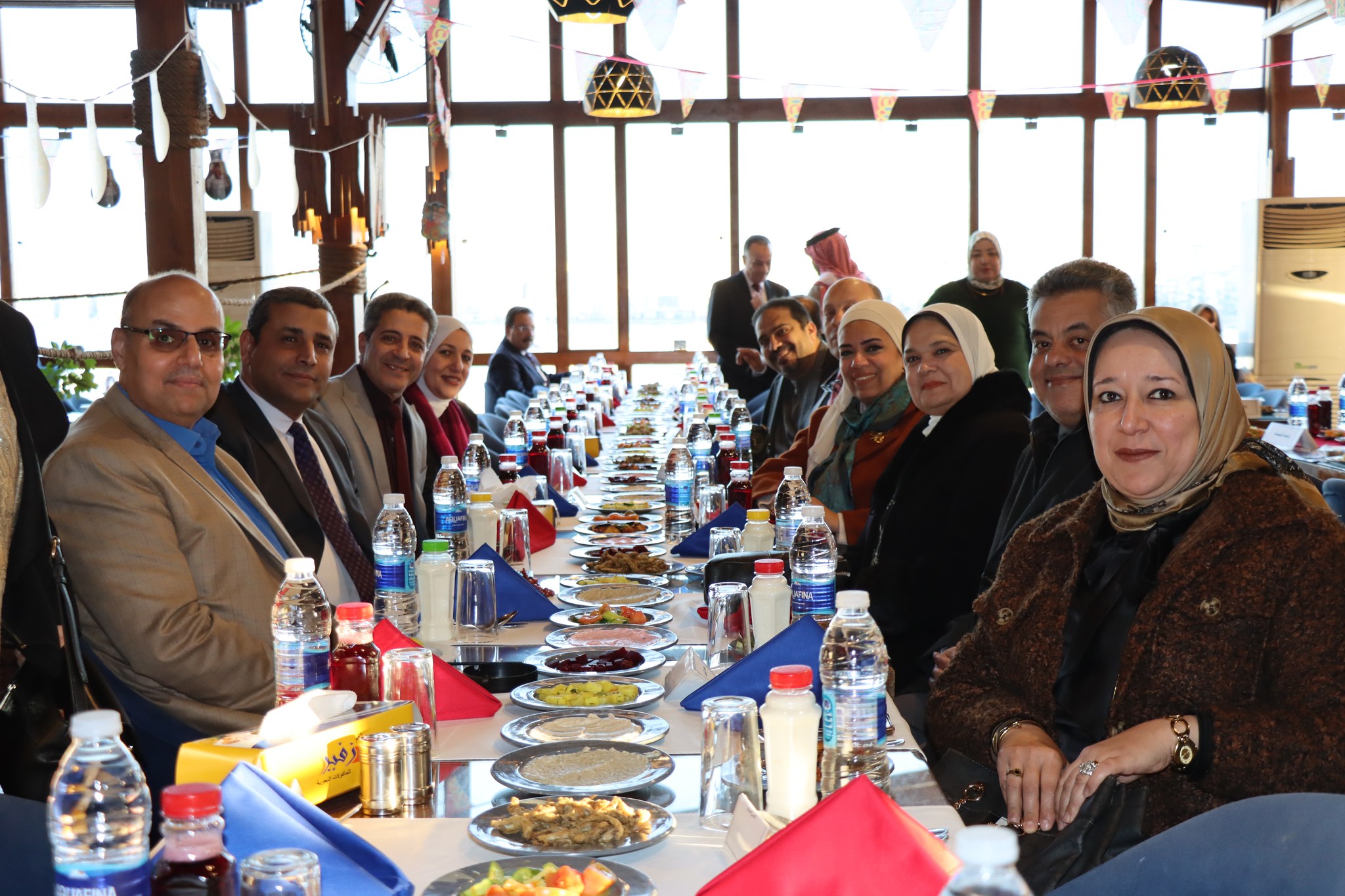
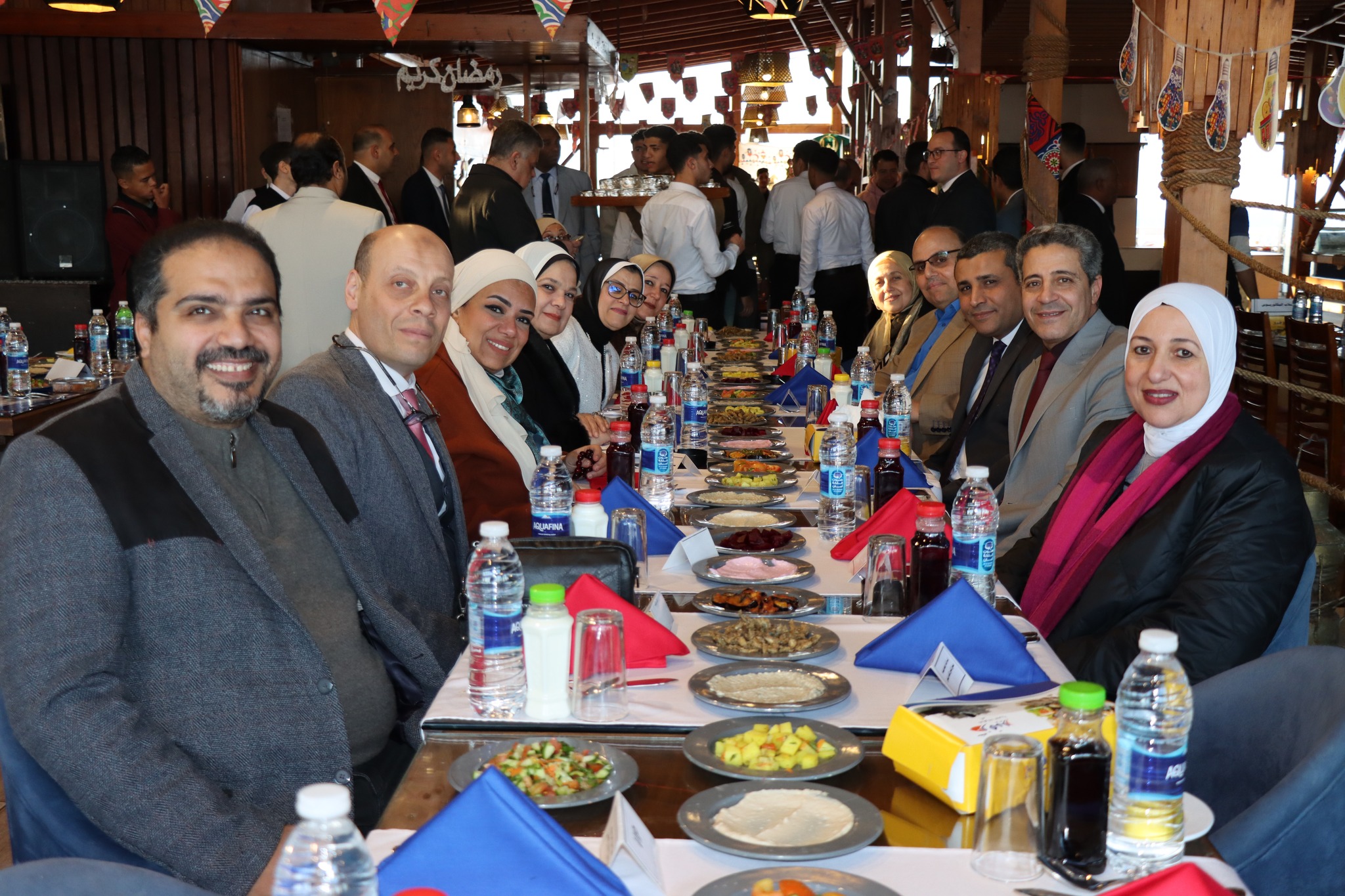
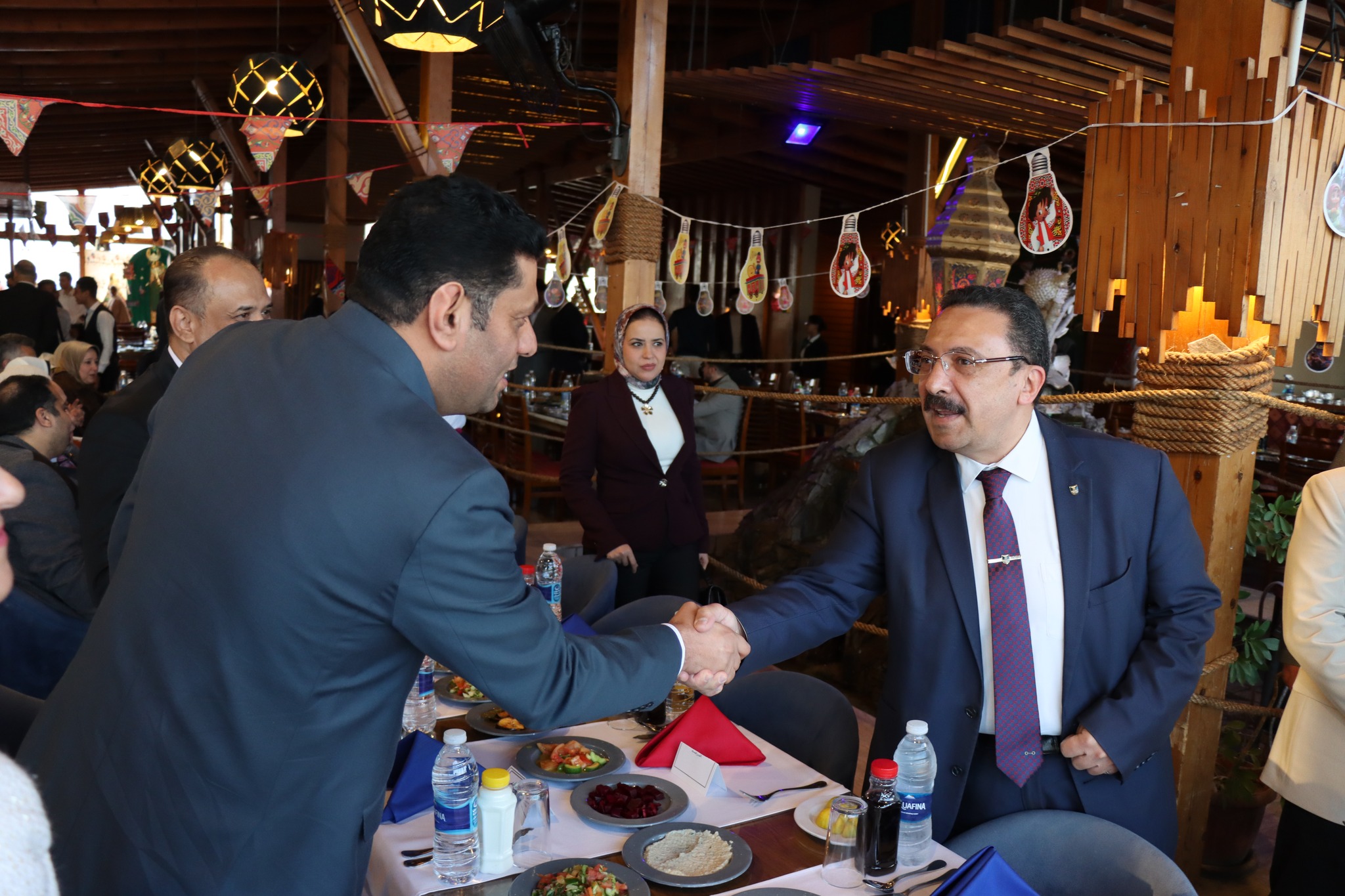
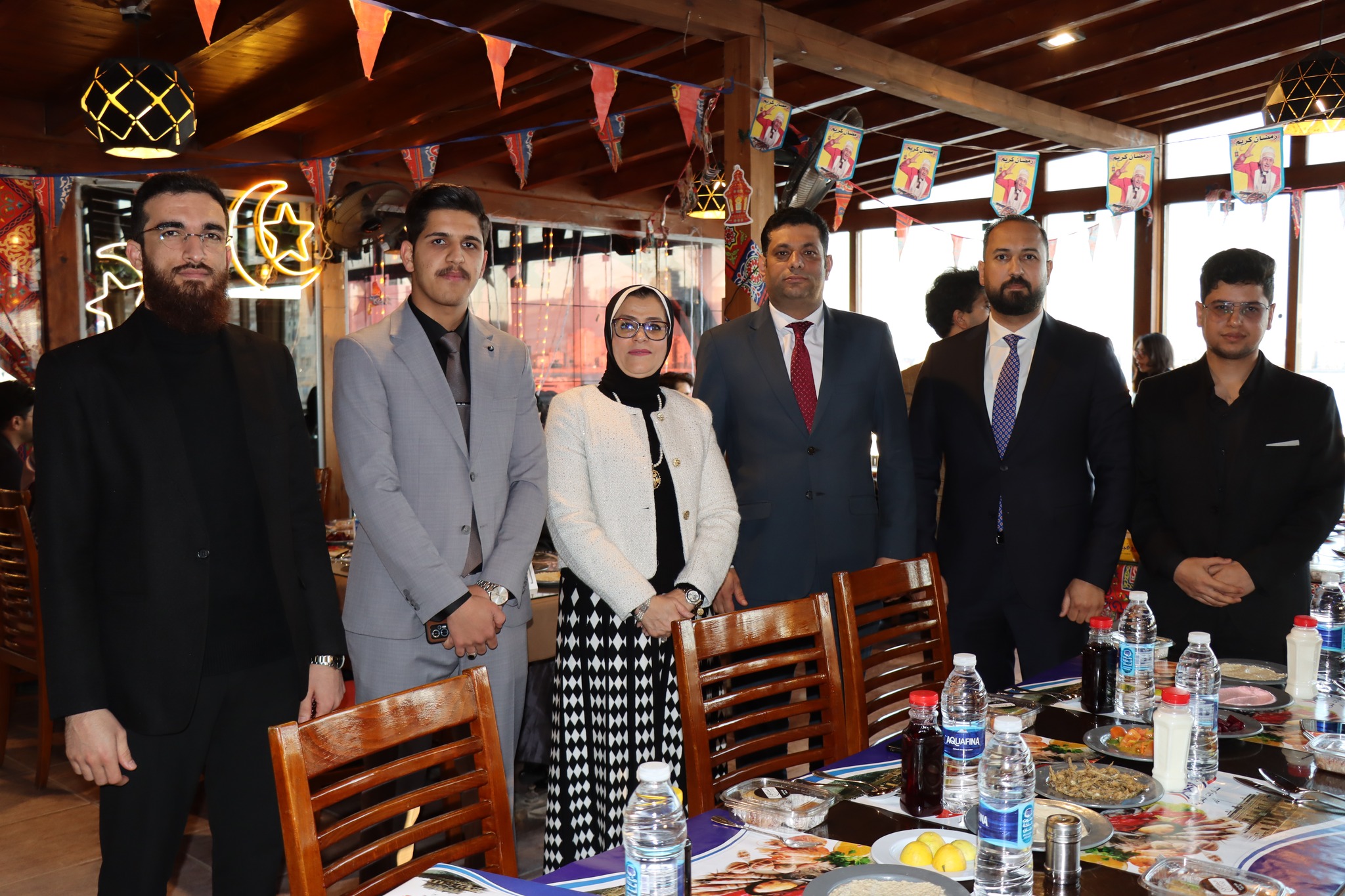
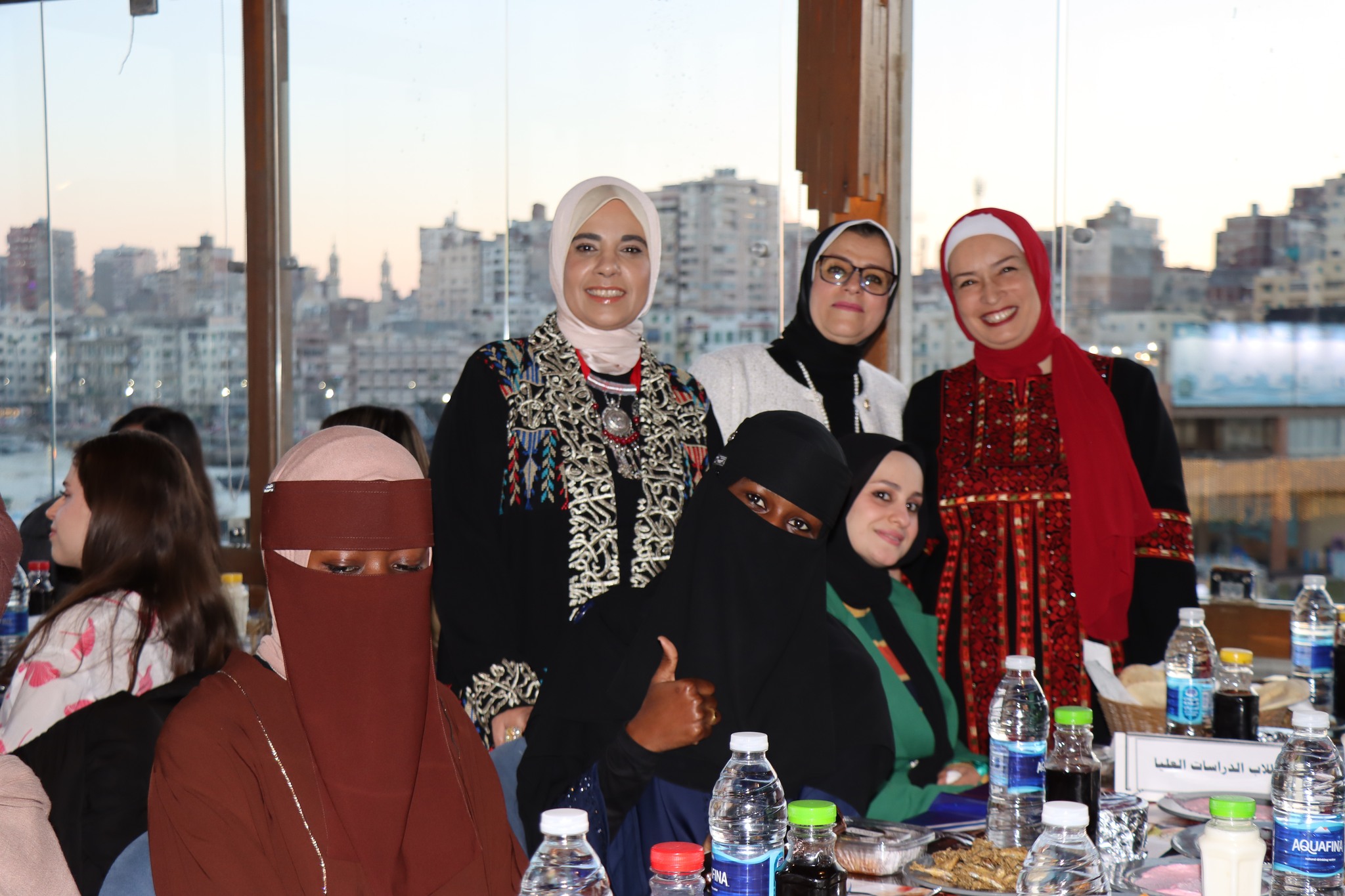
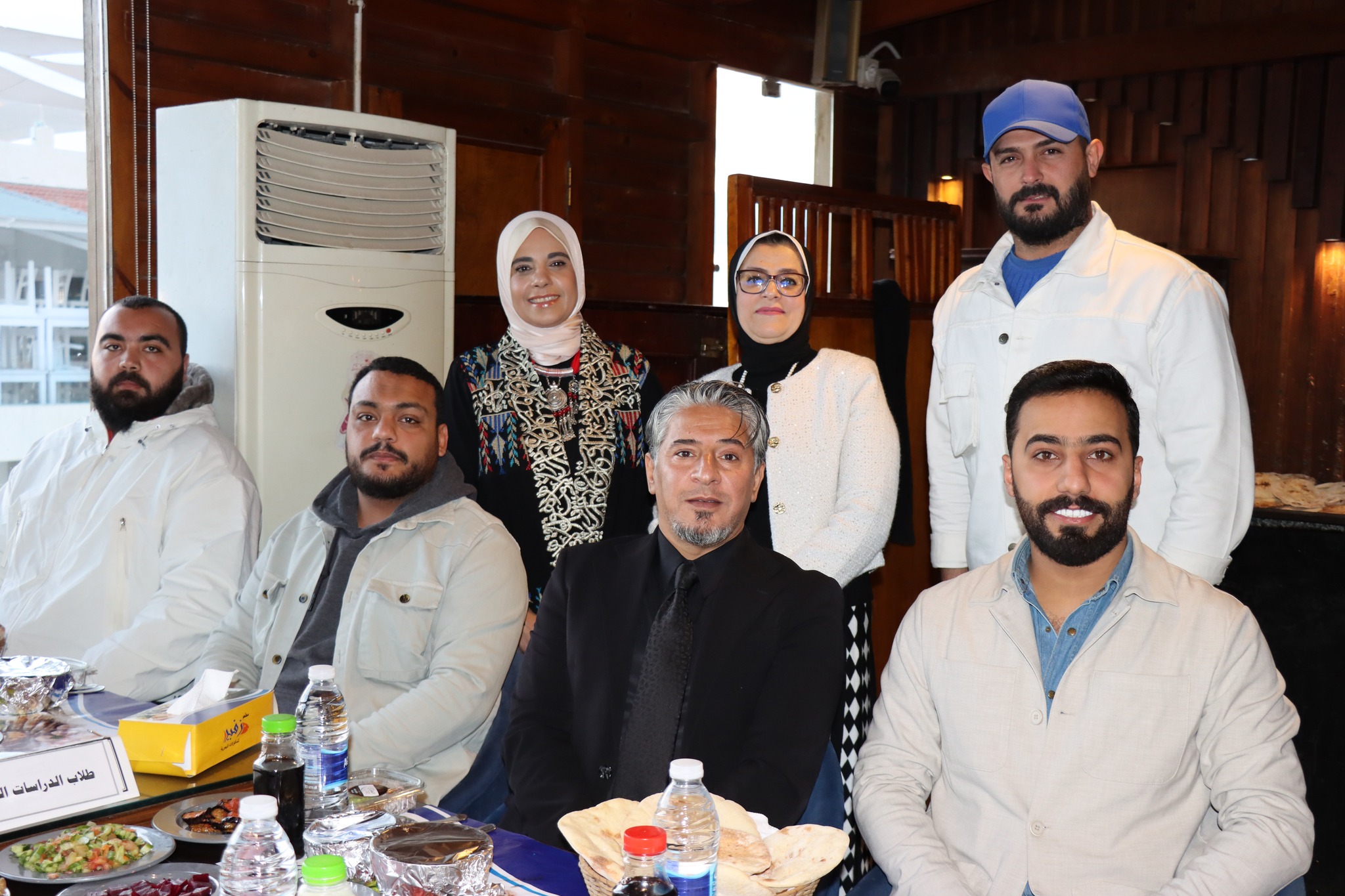
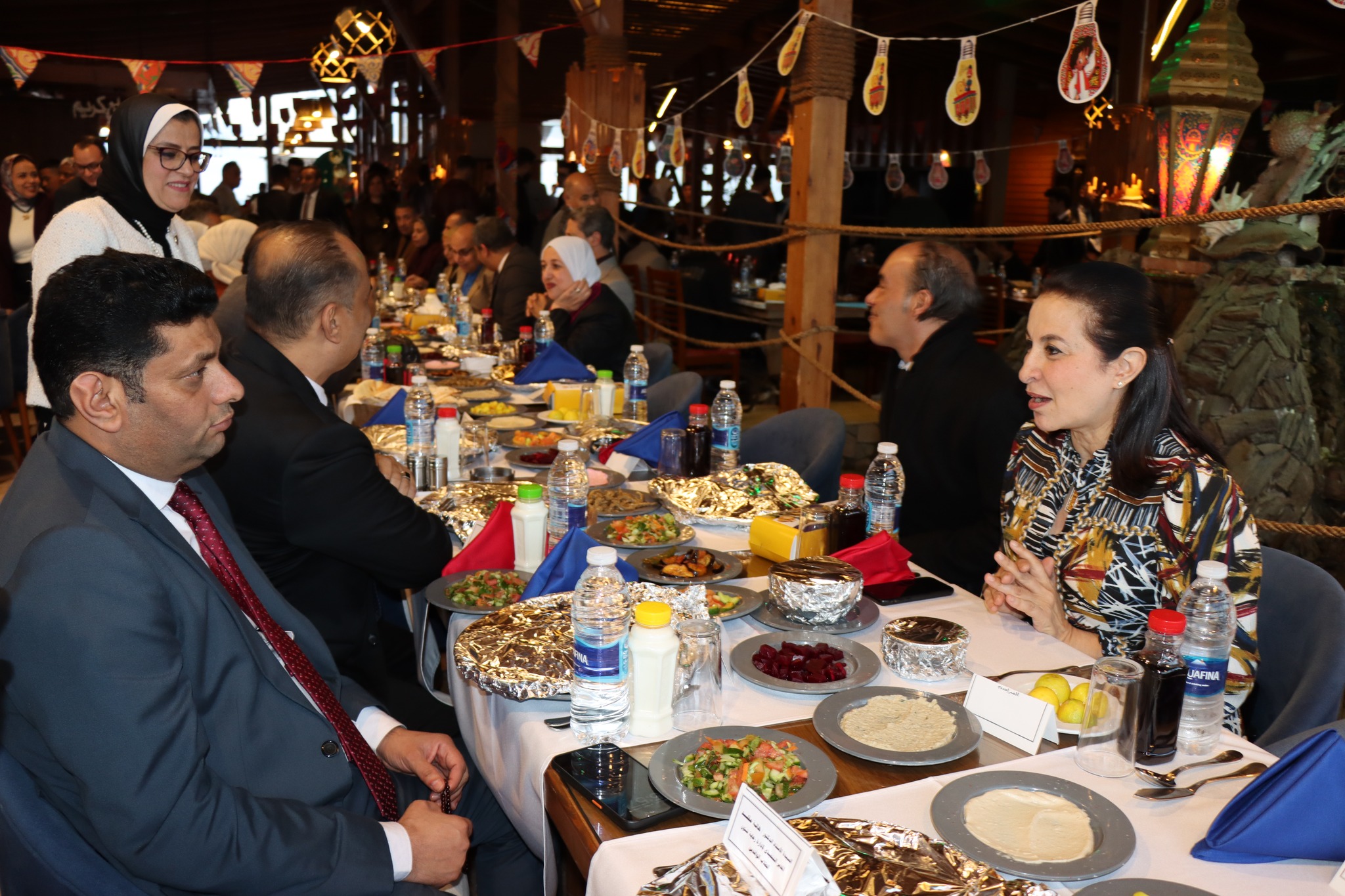
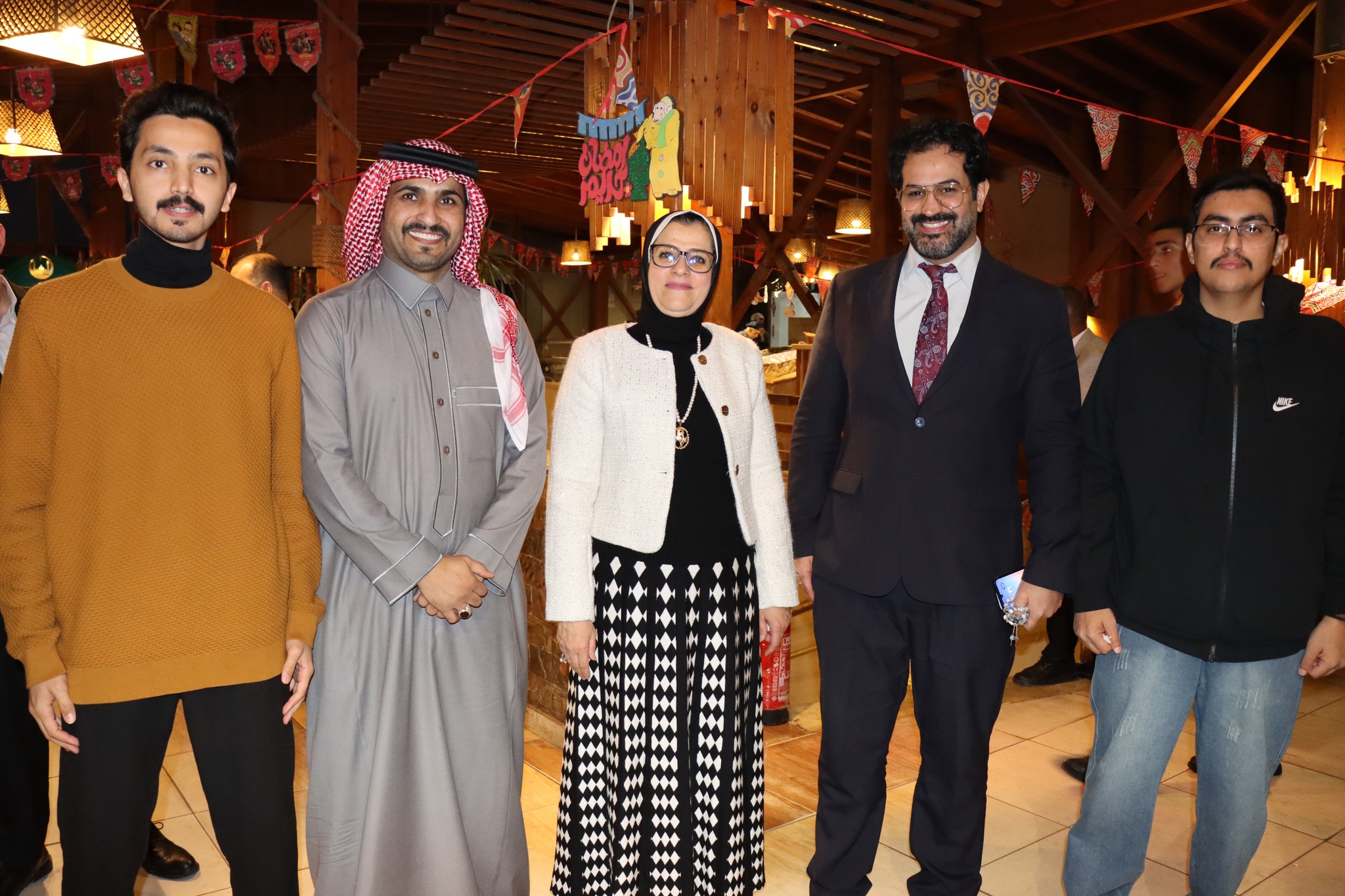
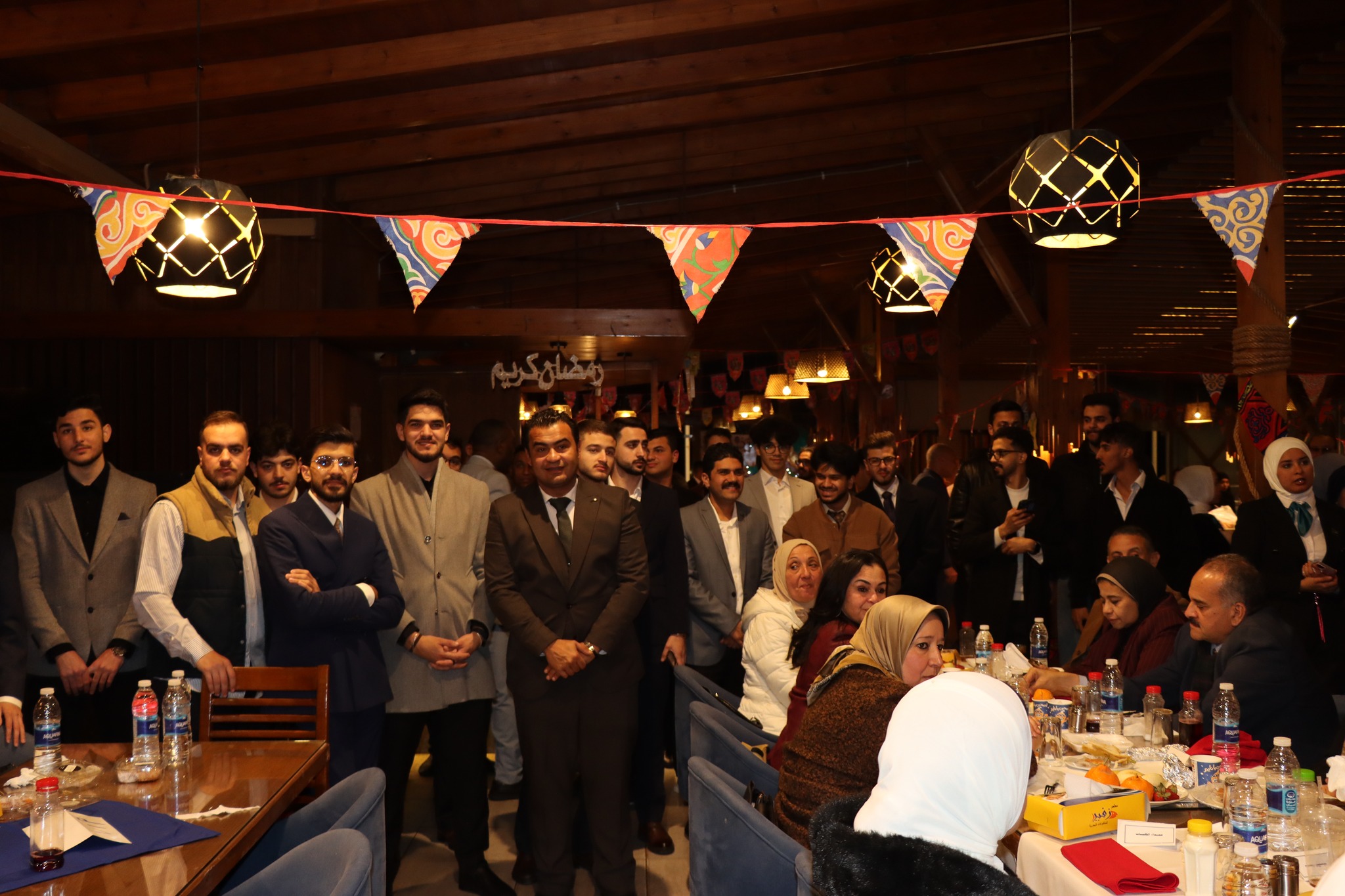
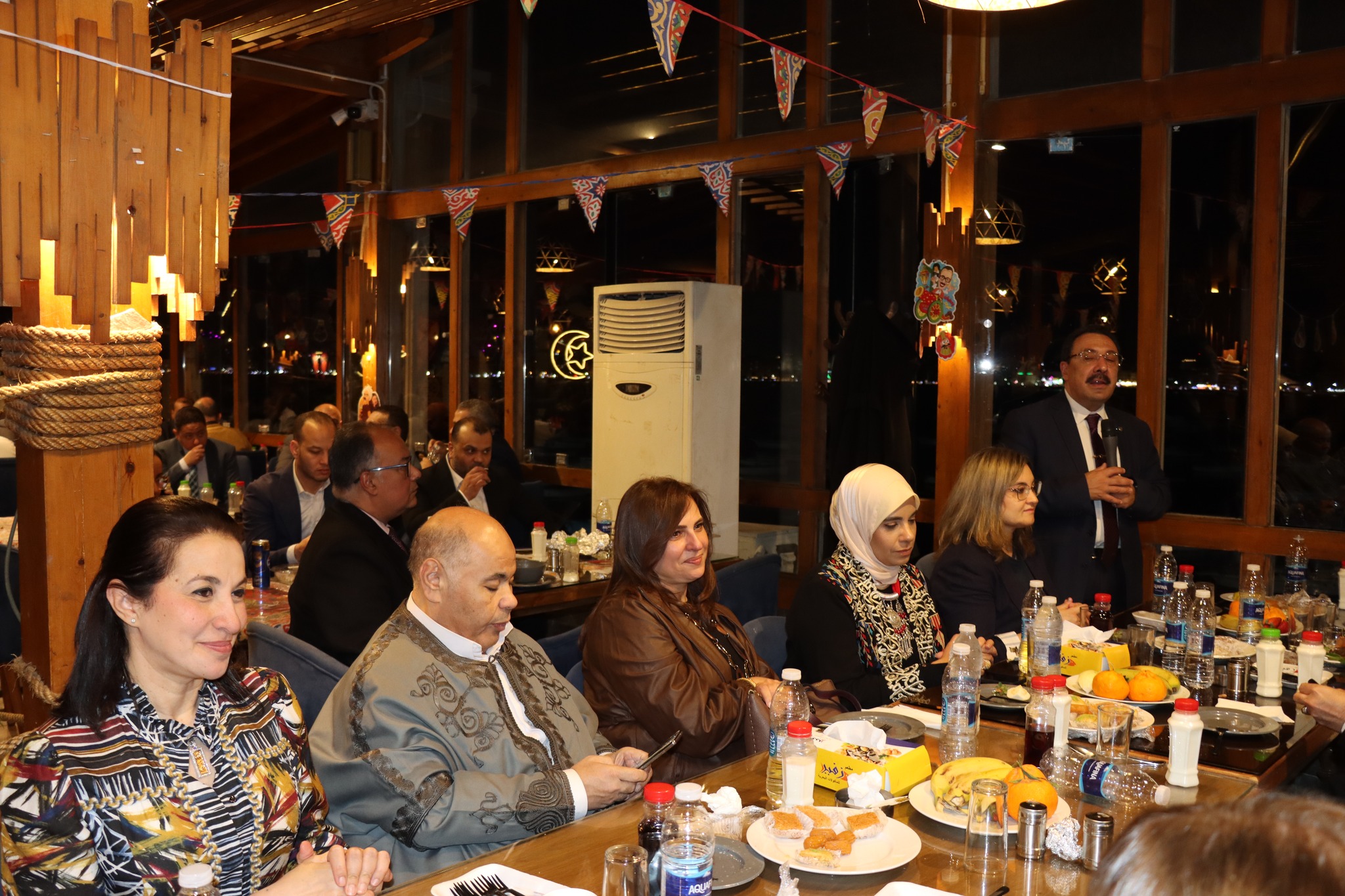
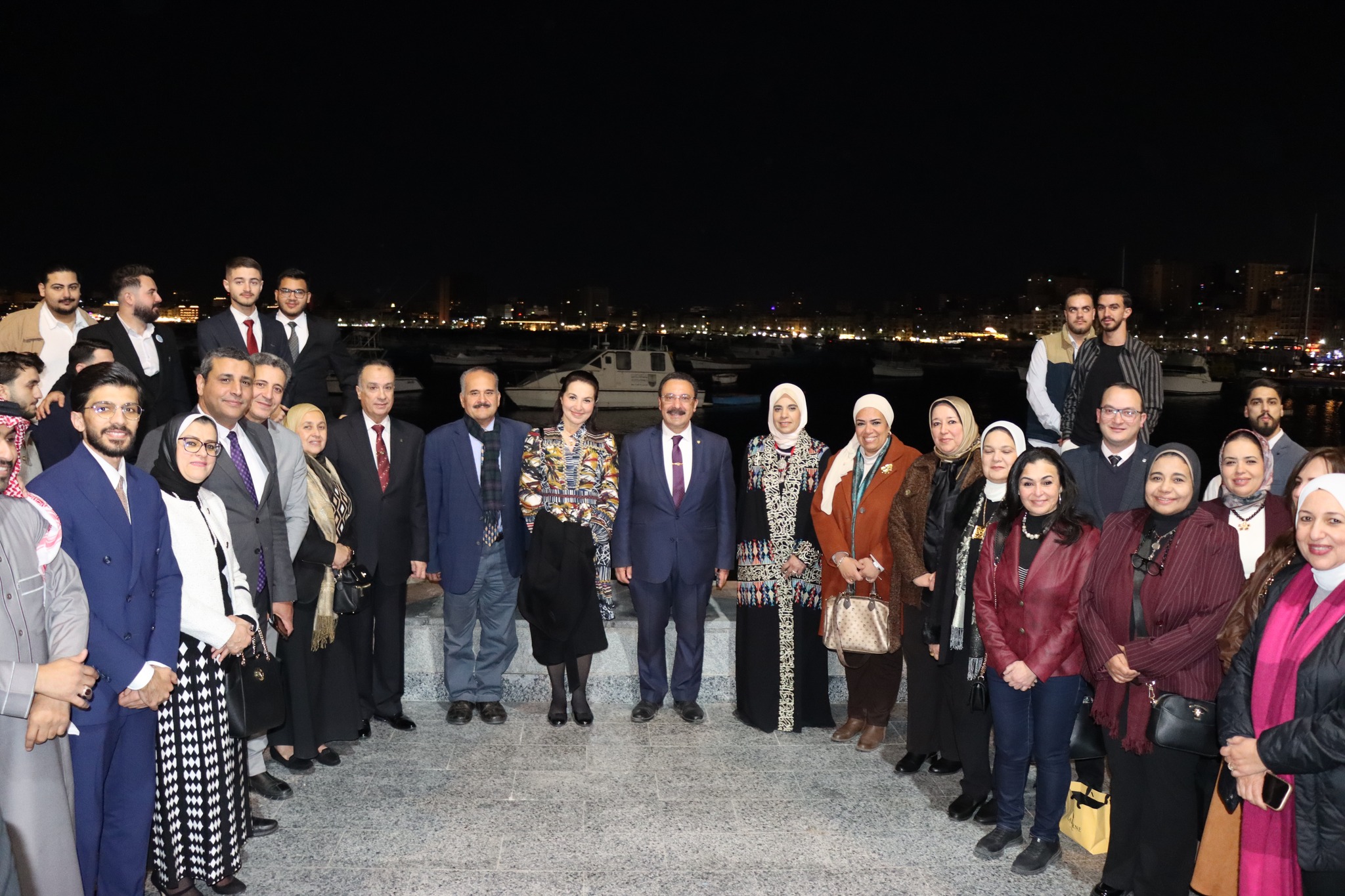
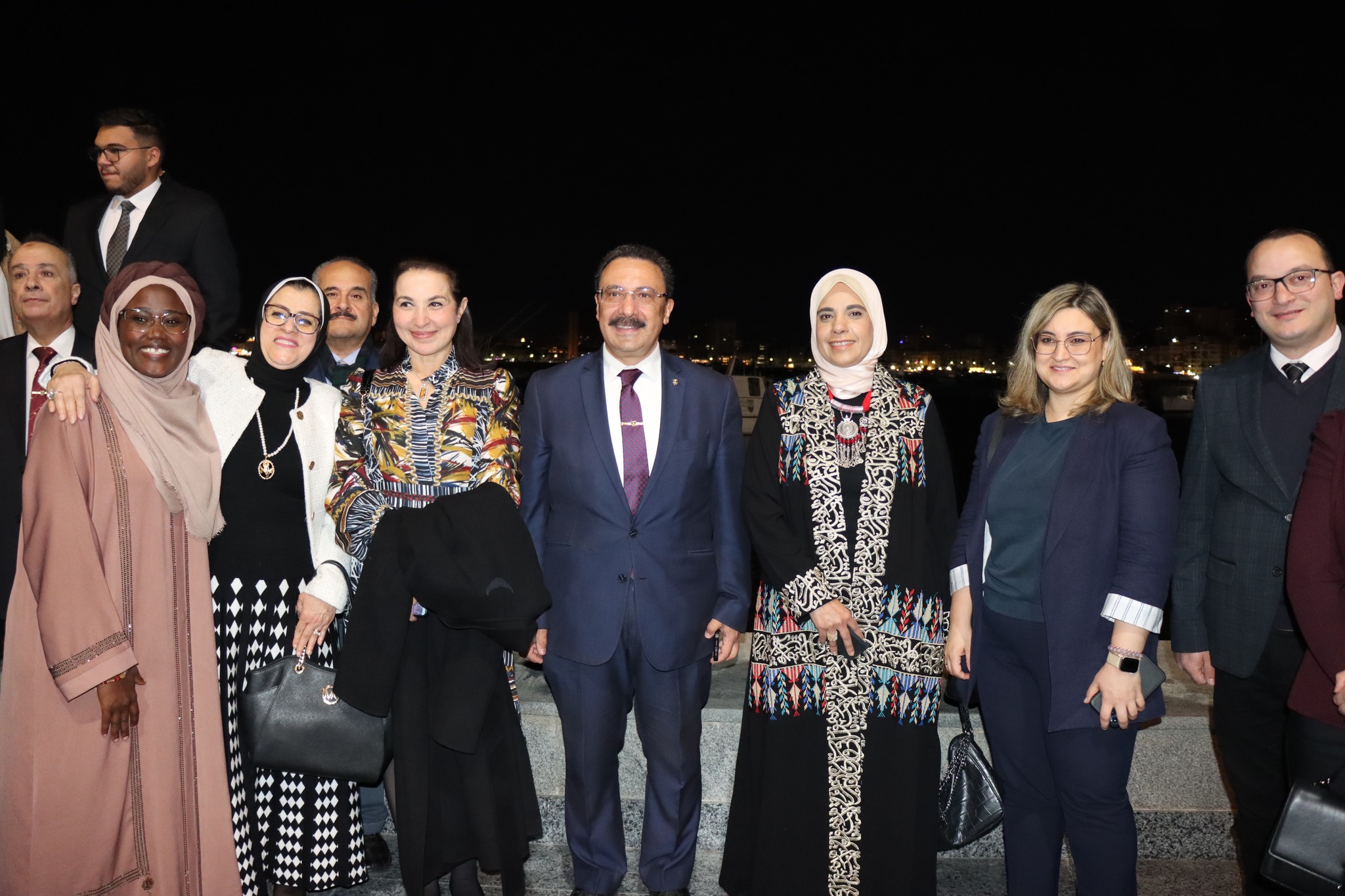
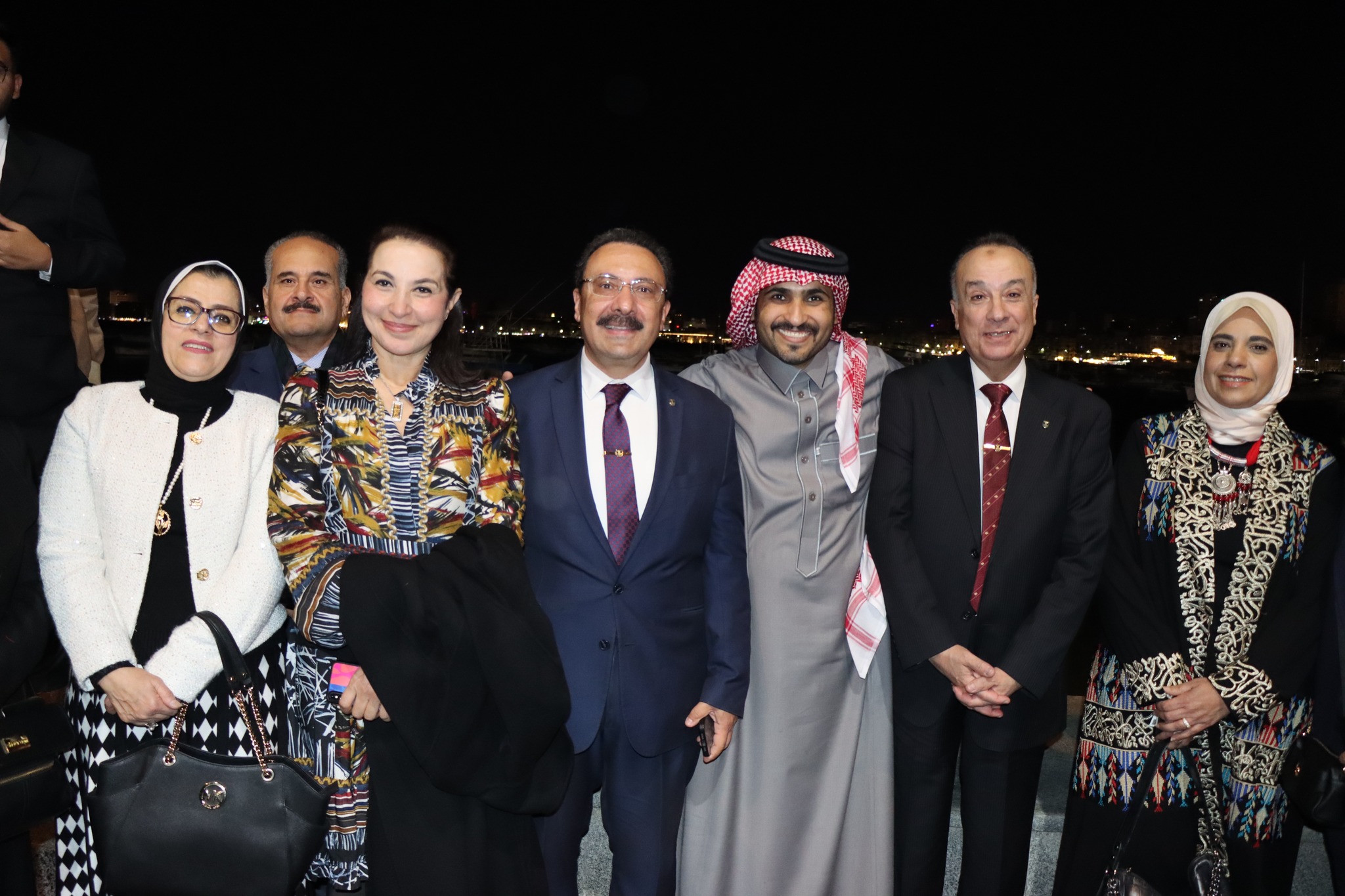
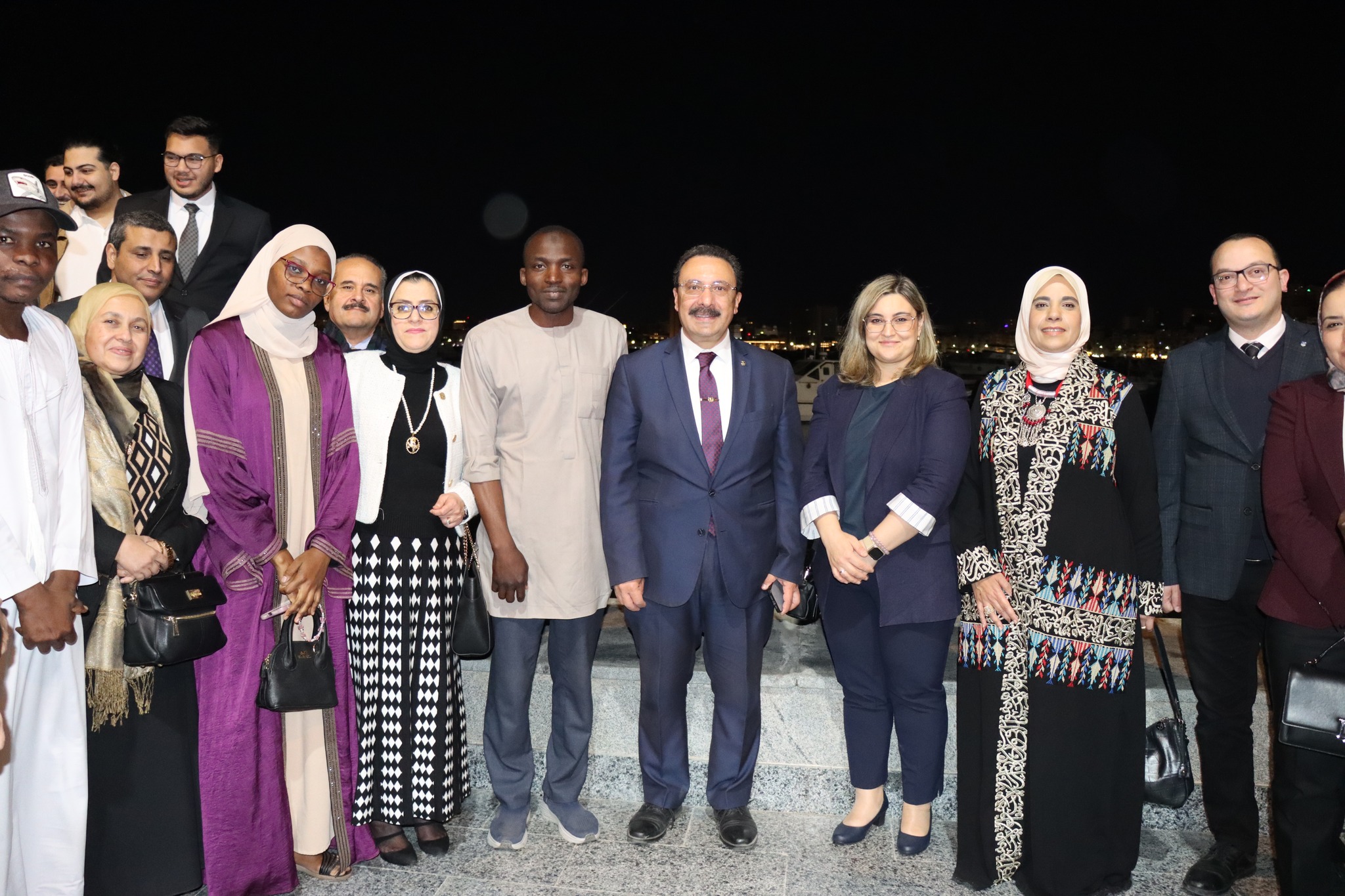
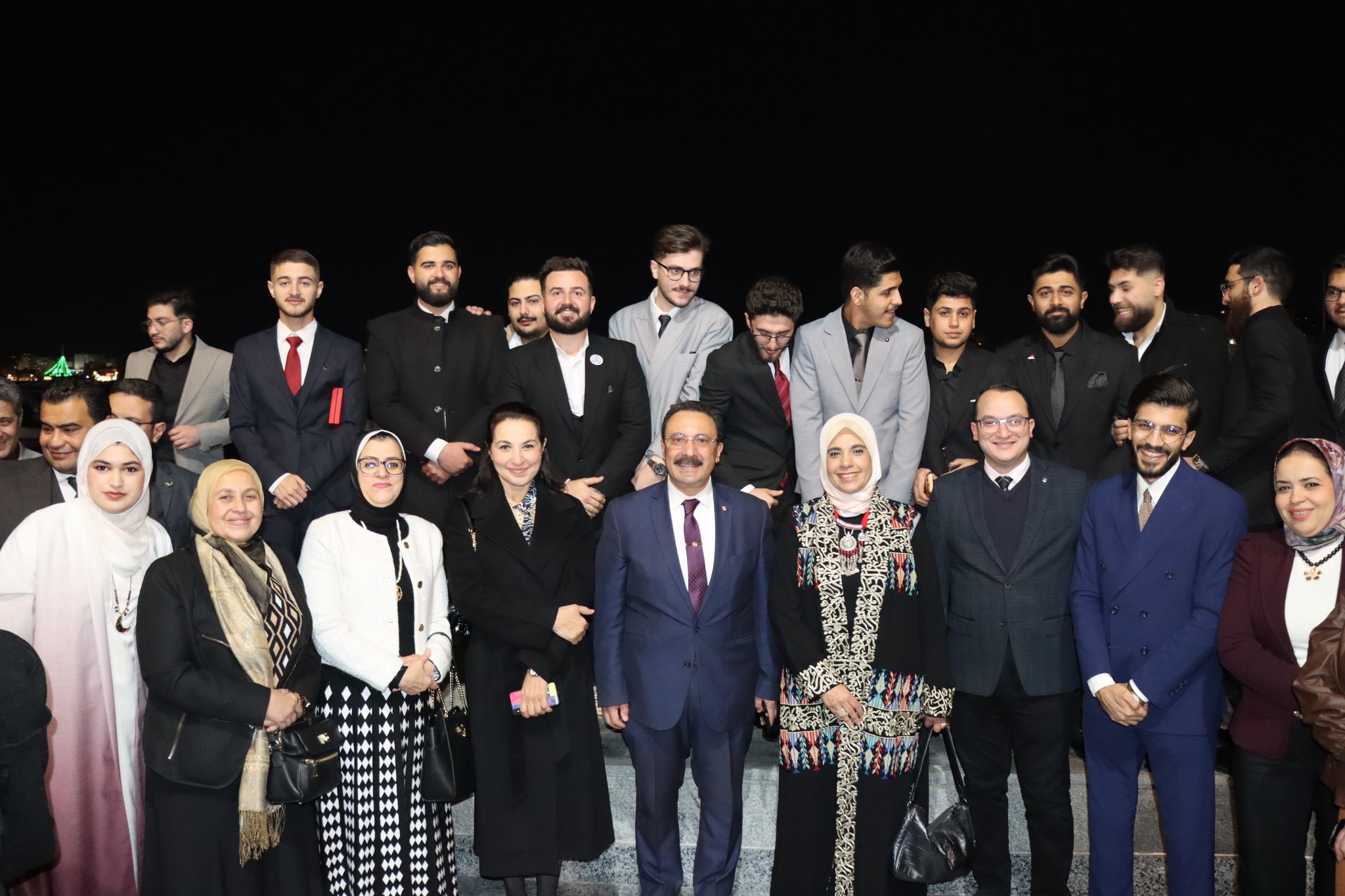
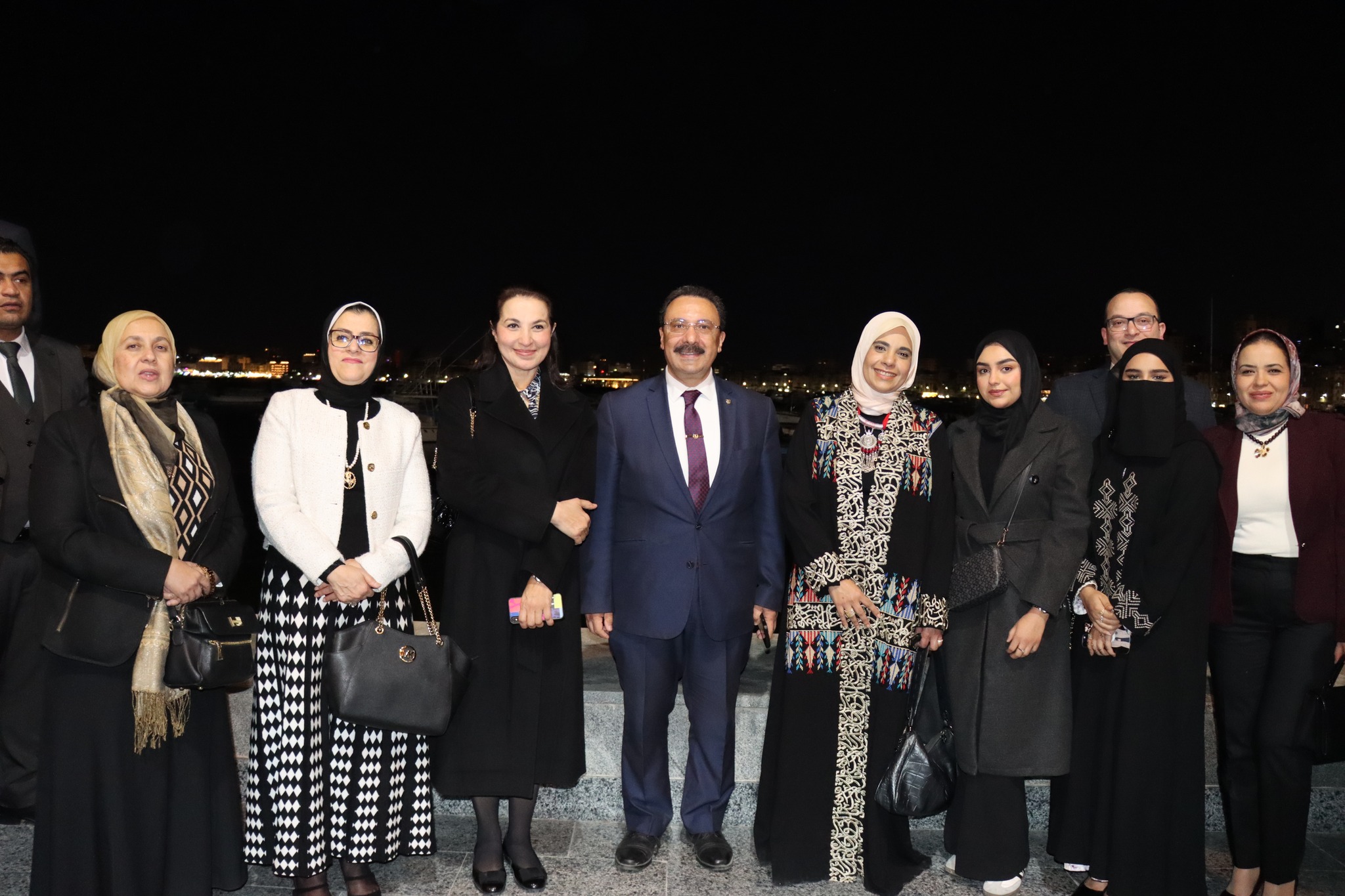
Dr. Ahmed Adel Abdel Hakim, Acting President of Alexandria University, participated on Monday, March 9, in the annual Ramadan Iftar organized by the university’s International Students Administration for students from various nationalities.
The event was attended by Dr. Hisham Saeed, Vice President for Graduate Studies and Research; Dr. Affaf Al-Oufy, Vice President for Community Service and Environmental Development; and Dr. Hala Mokalled, Executive Director of the International Students Administration, along with several faculty deans.
The iftar was also honored by the presence of a high-level delegation representing embassies and consulates, including Dr. Khaled Mohareb, Head of the Cultural Office of the State of Kuwait in Cairo; Counselor Mohammed Shakoura, Consul General of Palestine in Alexandria; Ms. Deniz Cankaya, Consul General of Turkey; Ms. Doreen Al-Ghoush, Chargé d’Affaires of the Lebanese Consulate; Mr. Mubarak Al-Subaie, Deputy Consul of the Kingdom of Saudi Arabia; Dr. Thamer Al-Barki, Deputy Consul of Iraq; Dr. Ismail Al-Hadi, Attaché of Libya; Dr. Hadi Al-Sabban, Cultural Advisor at the Embassy of Yemen; and Mr. Ahmed Hassan, Deputy Consul of Libya, in addition to a number of consulate staff members in Alexandria. The event was attended by more than 200 international male and female students from various Arab, African, and Asian countries studying at Alexandria University at both the undergraduate and postgraduate levels.
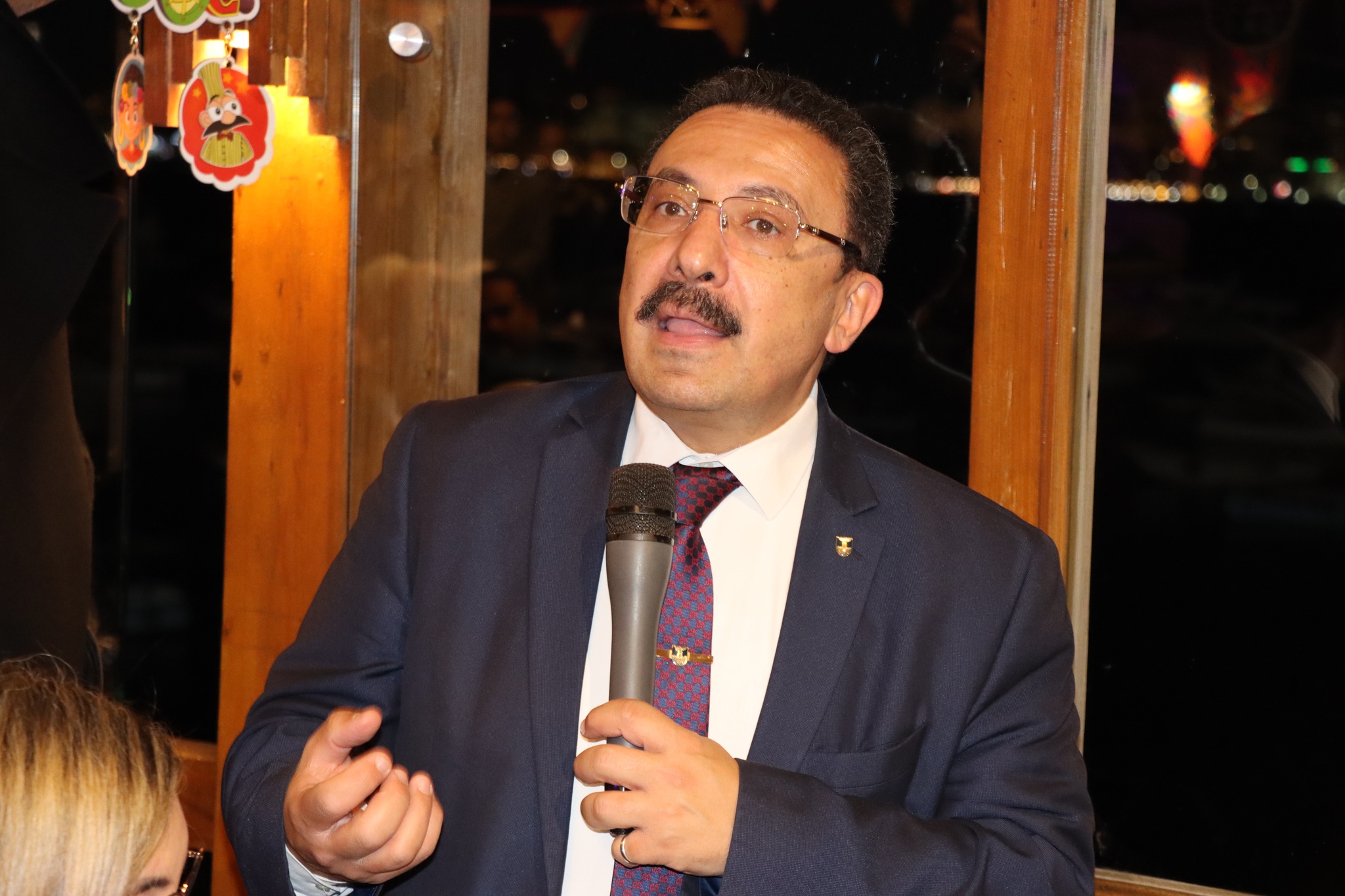
In his remarks, Dr. Ahmed Adel Abdel Hakim welcomed the attendees, noting that organizing this iftar has become an annual tradition that Alexandria University is keen to maintain, as it provides an opportunity to strengthen communication and cultural exchange among international students from different countries.
He emphasized that Alexandria University places great importance on international students, considering them ambassadors of their countries in Egypt and ambassadors of the university when they return to their homelands. He affirmed the university’s commitment to providing a supportive academic and cultural environment and offering various forms of academic and social support to help them achieve academic excellence and enjoy their educational experience at the university.
He added that such gatherings reflect the spirit of the holy month of Ramadan and its values of compassion, fraternity, and closeness among peoples, while also highlighting the civilizational role played by Alexandria University in promoting cultural communication among different nationalities.
For their part, the international students expressed their great happiness at meeting the university leadership, noting that the gathering provided a valuable opportunity to strengthen connections and cultural exchange among students from different backgrounds. They also expressed their appreciation to Alexandria University for its continued support and attention to international students and for fostering a strong sense of community among them.