 English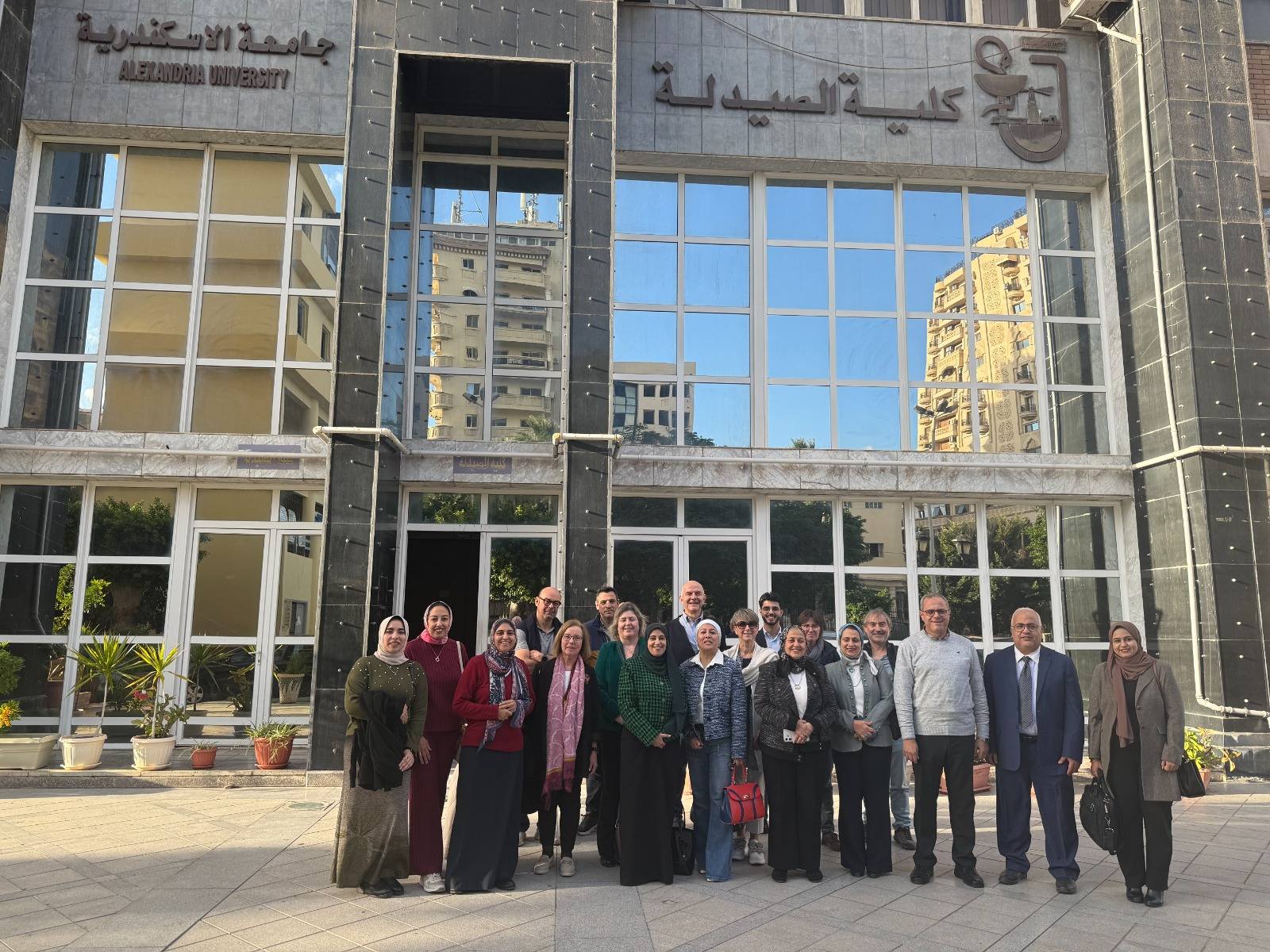
Within the framework of Alexandria University’s commitment to supporting sustainability, innovation, and linking scientific research to development priorities, the University has launched the AGROW-HUB project, funded by the European Union. The project aims to promote sustainable solutions for agricultural waste management and transform it into value-added products, thereby supporting the circular bio-economy and strengthening academic and industrial partnerships at both the regional and international levels.
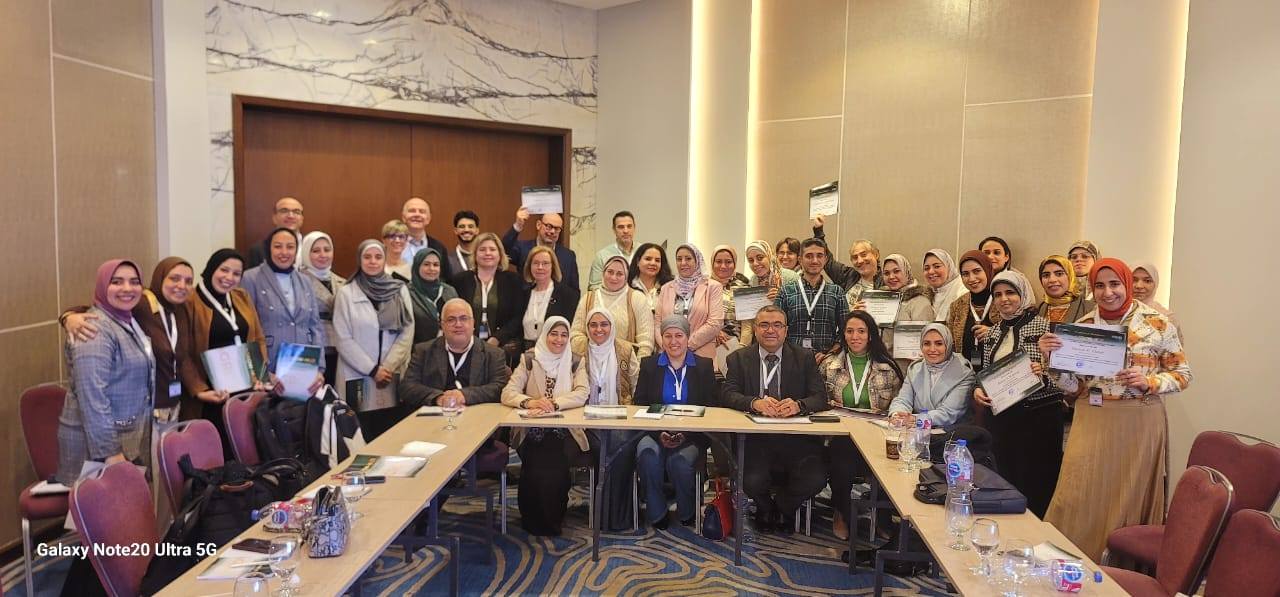
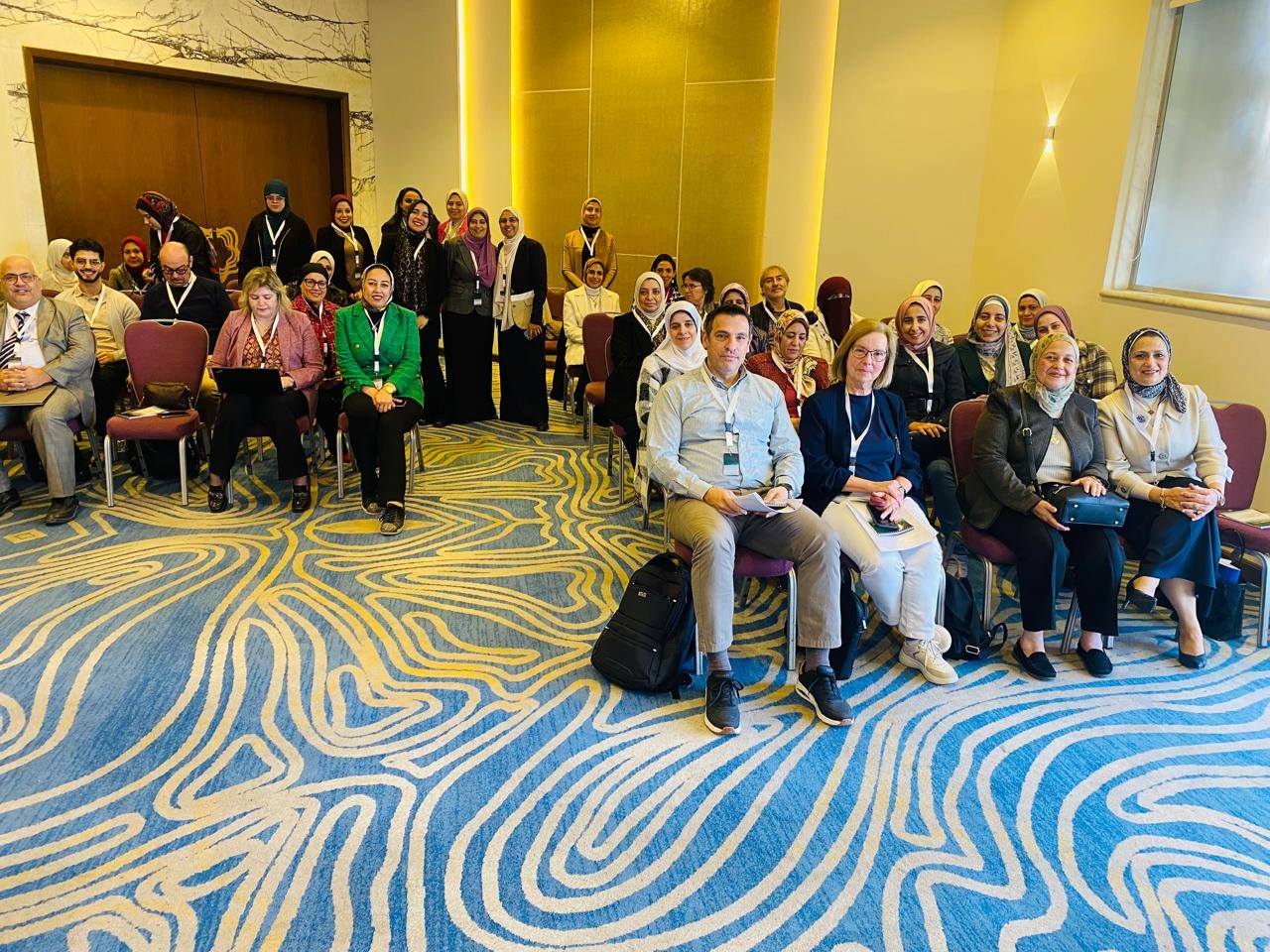
Alexandria University – as the coordinating institution of the AGROW-HUB project – held the official kick-off meeting for the project entitled “Enhancing Education, Innovation, and Entrepreneurship Capacities for Sustainable Green Agricultural Waste Solutions in the South Mediterranean”, funded by the European Union, during the period from 17 to 20 December, marking the official start of the approved project activities.
The project is implemented under the Erasmus+ Programme (Capacity Building in Higher Education – CBHE) and will run for three years, aiming to support the transition toward more sustainable practices in agricultural waste management and to enhance the role of universities in innovation and entrepreneurship.
The Bibliotheca Alexandrina hosted the project’s public launch event as part of the official kick-off activities, with wide participation from local and international partners. The event witnessed extensive collaboration among a distinguished group of Egyptian, European, and Tunisian universities, in addition to representatives of governmental bodies, relevant authorities, and industry partners.
Prof. Hanan El-Gawaily, Dean of the Faculty of Pharmacy at Alexandria University, affirmed that the AGROW-HUB project represents a strategic step toward strengthening the University’s role in supporting the circular economy and sustainability. She added that the project focuses on curriculum modernization, capacity building, and linking education to innovation and labor market needs, achieving tangible academic and societal impact and enhancing Alexandria University’s international partnerships in the South Mediterranean region.
Dr. Iman Shawky, Head of the Pharmacognosy Department at the Faculty of Pharmacy, Alexandria University, and General Coordinator of the AGROW-HUB project, noted that the project’s launch embodies an effective model of cooperation among universities, the industrial sector, policymakers, and society, with the aim of translating knowledge into practical, implementable applications. She explained that the project will focus on developing training programs and modern courses, establishing applied laboratories (Living Labs), supporting entrepreneurship, and incubating start-up ideas, thereby contributing to job creation and the development of sustainable value chains based on green technologies.
The project consortium includes the following universities: Ain Shams University; the Universities of Monastir and Sousse (Tunisia); Aristotle University of Thessaloniki and the University of West Attica (Greece); the German University in Cairo; the University of Turin (Italy) and the University of Turin Business Incubator and Technology Transfer Company; Minia University; and the University of Barcelona (Spain).
The AGROW-HUB project aims to address the environmental and socio-economic challenges resulting from the limited utilization of agricultural and agri-food industrial waste in the South Mediterranean region by strengthening partnerships between universities, governmental bodies, and industrial sectors in Egypt, Tunisia, Greece, Italy, and Spain.
The project also seeks to build an integrated circular bio-economy model based on green technologies through updating and developing academic curricula, establishing Living Labs, and supporting business incubators and start-ups, thereby linking scientific research to real societal and labor market needs.
Furthermore, the project targets the transformation of agricultural waste into high-value products and bioactive compounds used in the food, feed, cosmetics, dietary supplements, and other green industries. This will support skills development, create new job opportunities, enhance sustainable value chains, and contribute to achieving the Sustainable Development Goals in the region.